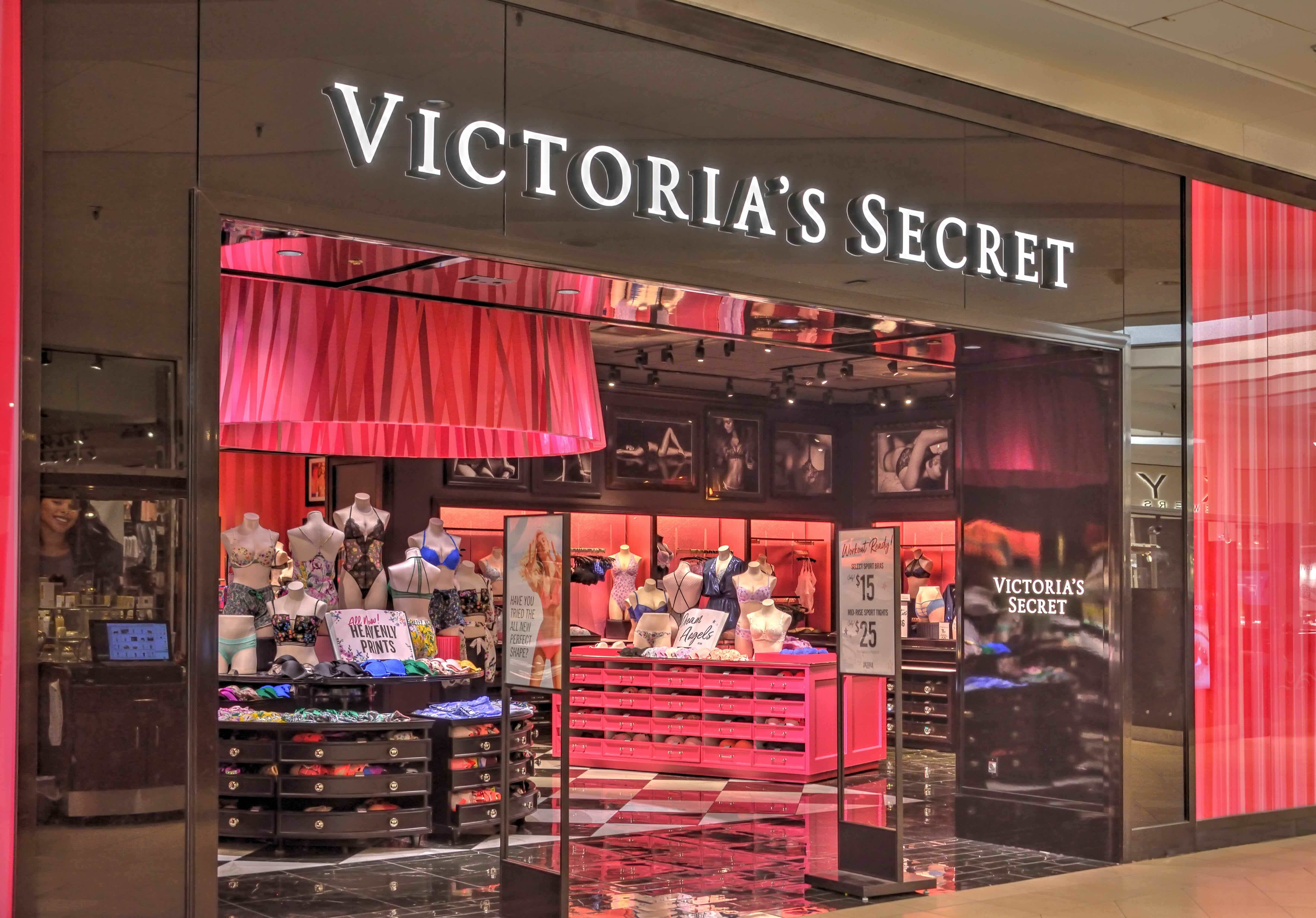
The Super Bowl for supermodels is back. The Victoria’s Secret Fashion Show strutted into the spotlight on Oct. 18, and this time, the fans were calling the plays.
Victoria’s Secret veterans like Adriana Lima and Alessandra Ambrosio brought back the nostalgia, but nostalgia alone doesn’t garner modern buzz. This year, Solange Omon, 21, stepped onto the runway in gold wings and a long sheer train as the brand’s newest Angel thanks to Angels Among Us, a Victoria’s Secret casting search turned YouTube docuseries that let fans follow along until the winner was revealed on the runway.
That moment embodies how the show got its relevance back, and the takeaways apply to any business, even one whose product doesn’t involve wings, glitter, or a $50 million Fantasy Bra. But first, let’s rewind.
How Victoria’s Secret Lost Its Wings—and Got Them Back
In 2011, the coveted show drew 10.3 million viewers on CBS; by 2018, it had record-low ratings. As the body-positivity and #MeToo movements gained ground, criticism of Victoria’s Secret’s narrow beauty standards grew louder. Especially with newer competitors like Skims winning over customers with more inclusive sizing and marketing. Victoria’s Secret then pulled the plug on the show in 2019.
The road back wasn’t straight. In 2023, Victoria’s Secret replaced the runway with The Tour ’23, a documentary on Prime Video. CNN’s review said it lacked what made the original show work: the feel of “an event with a capital E.”
So the brand changed course in public. When it announced the live runway’s return for 2024, it told fans, “We’ve read the comments and heard you.” The wings, the glamour and the live music came back, but the message changed. Production company Done+Dusted described creative director Adam Selman’s vision as “less about dictating what ‘sexy’ is, and more about offering what it can be.” Knowing where to innovate and where to leave things alone is a rare skill, and it starts with listening to what customers actually want.
Brand Turnaround Lessons From Victoria’s Secret, Abercrombie, and Lego
Victoria’s Secret is in good retail company. Abercrombie & Fitch was once labeled America’s “most hated” retailer, a low point for the brand once known for its exclusionary marketing. After Fran Horowitz became CEO in 2017, she overhauled product, culture, and operations, and the company has since posted record sales. Lego came close to collapse in the early 2000s and has since rebuilt its momentum partly by turning fans into co-creators through Lego Ideas, where fans submit set designs and the community votes on which ones get a shot at being made. Each brand kept what people loved and let them in on what came next.
So what fueled Victoria’s Secret’s comeback, and what can other brands learn? An investment in the fandom. Think free streaming, ticket giveaways, a fan-followed casting call, and a red (in this case pink) carpet you could shop in real time. The brand stopped marketing viewership and prioritized bringing customers into their world.
Meet Your Audience Where They Are, and Let Them Buy
The data shows the rebound was in motion long before last month’s fashion show. On June 2, 2026, Victoria’s Secret reported first-quarter earnings of $0.60 a share, nearly double analysts’ estimate, on sales up 15%. Victoria’s Secret & Co. CEO Hillary Super credited double-digit growth in new customers, and the company also pointed to fewer promotions and more full-price selling.
Part of that reach came from dropping the TV-network model altogether. The 2026 show streamed free on YouTube, Instagram, and TikTok, where younger viewers already spend most of their time. With short-form video on the rise, the camera work was designed to be cut into clips that spread across social feeds the moment they aired, expanding their reach instantly and in real time.
Attention is only half the job, though. In 2025, the show’s pink carpet doubled as a real-time shopping platform on Amazon Live, so viewers could buy what they saw while they were still excited. That fit Super’s “promo-detox,” which aims to get customers paying full price instead of waiting for a markdown. A cultural moment is one of the few things that makes people want something then and there.
Replicate this tactic by figuring out where your customers already spend their time and show up there. For a local boutique, that might mean Instagram Reels; for a B2B software company, it could be LinkedIn or an industry newsletter. Close the gap between “I love that” and “I bought that,” as it pertains to your industry.
Give Fans a Role, Not Just a Seat
The theme of the 2026 Victoria Secret show was “Fandemonium,” and the brand built that energy into every touchpoint. For the first time, fans could win tickets through weekly Thursday drops on social media. In-person stores got involved with a one-day event at 10 locations, where shoppers received QR code cards with their purchase for a chance to attend with a plus-one. Then there was Angels Among Us, which gave fans a stake in the outcome before the pink carpet was rolled out.
So what does this mean for you? People care deeply about what they help shape. That can play out as a preorder vote, a customer-influenced product, or a public beta test.
Fandom is not only at the forefront of Victoria’s Secret marketing team. At this year’s New York Comic Con, Dove Men+Care showed up inside a community that already existed and set out to solve a real problem for cosplayers sweating through costumes they’d spent months building. The brand handed out 30,000 deodorant samples and 1,000 custom 3D-printed packs for carrying essentials, and it reported 3.1 million impressions by the end of the weekend. Lindsey Lapin, associate director of marketing for Dove Men+Care at Unilever, said the best reaction is fans saying, “I can’t believe a deodorant brand wasn’t here before.” That’s a brand earning its place through a fandom, not just advertising to it.
Your Fan-Engine Action Plan
You don’t need a bouncy blowout or a celebrity lineup to run this playbook. Start with these moves:
Go where your audience already is. List the two platforms your best customers use daily. Make your next launch or event native to those.
Hand out roles, not just invitations. Ask yourself, “What decision could customers help make? Let them vote on a name, choose a feature, or nominate a “customer of the month” you spotlight publicly.
Make the moment buyable. Put a link, a limited offer, or a waitlist in the same place the excitement happens. Don’t send people somewhere else to act.
Listen without overcorrecting. Gather feedback, then ask, “Are customers asking us to drop what they love or to update why we do it?”
Featured image by damann/Shutterstock.com