You’re standing in the cereal aisle on a Sunday night. Your kid is lobbying hard for the box with the little plastic figure inside. You’ve not seen that gimmick in years. For a second, you’re 10 again. It’s Saturday morning, cartoons are on, bowl in hand, with zero worry on your mind.
That memory is worth a lot of money and brands are capitalizing on it.
Heading into late May and summer 2026, nostalgia is everywhere: graduation spots, limited flavors and retro packaging. For the first time in over a decade, Kellogg’s put toys back in cereal boxes for Toy Story 5. Liquid IV launched a Ring Pop cherry flavor beside a wedding-dance ad with British R&B group Flo and Hollister collaborated with singer-songwriter Gigi Perez for the class of 2026.
Nostalgia works best as a strategy. It’s the fastest emotional on-ramp to attention in a crowded market and the brands winning right now aren’t stumbling into it accidentally. They’re choosing one entry point from their audience’s past and tying it to a present-day payoff.
Gen Z Is Resurrecting 90’s and Y2K Culture
Scroll on TikTok for five minutes and you’ll see baby tees, low-rise jeans, digital cameras, and vinyl record hauls. Gen Z and Gen Alpha didn’t experience the Y2K era the way millennials did, but they still yearn for it.
This is known as anemoia, an emotional pull toward a time you never lived through. For marketers, it means the 1990s and early 2000s are fair game, even if your founder was in grade school when Paris Hilton ruled the tabloids.
The brands capitalizing on Gen Z’s nostalgia obsession are going all in. Blank Street Coffee’s “Blank Spring” campaign this year leaned heavily into Y2K aesthetics, featuring Tamagotchis, retro soundtracks, and vintage-filtered Reels. The digital content was then paired with hyper-local “Picnic Stand” activations in New York and London, turning a matcha product launch into a genuine “I was there” moment.
Pizza Hut is taking the same logic and converting 80 locations back to their 1980s design. Remember the red tablecloths, Tiffany lamps, salad bars, and Pac-Man in the corner? These throwback locations are some of the best-performing restaurants in the chain, with customers driving two to three hours for the experience.
Motorola is leveraging the nostalgic appeal of its iconic 2000s Razr flip phone. According to Wired, Motorola is now one of the fastest-growing mobile companies in the world and the Razr is No. 1 in the flip category in North America.
Nike remains the world’s top apparel brand by revenue, yet it still mines its own archive. The Total 90 silhouette returned in March 2026 with colorways nodding to early 2000s legends like Ronaldinho and Edgar Davids.
To make nostalgia marketing work you must treat it as participation, not a history lecture. Your campaign is the prop and your product is the receipt.
The Psychology Behind Nostalgia Marketing
People want comfort they can trust. A late-night ad jingle from their childhood. A snack they ate after school. A song that played at graduation. These cues skip the skepticism phase because the brain already filed them under “safe.”
Nostalgia marketing campaigns rarely say something like, “Remember the good old days?” They show one cue and let their audience fill in the rest.
Disney’s “Hannah Montana 20th Anniversary Special” was a global emotional activation. Disney+ recognized the opportunity and tapped into a core part of millions of people’s childhoods.
Beauty brands are reviving Y2K music-video energy and early-2000s internet aesthetics. Dove ran its 2026 “Hot Like Us” campaign around a remix of The Pussycat Dolls’ “Don’t Cha,” leaning into flip-phone-era pop nostalgia to connect with millennials and Gen Z audiences.
Old Navy got Paris Hilton and her mother Kathy for a summer campaign built around 2000s fashion nostalgia, complete with low-rise looks, rhinestones and “Stars Are Blind” references.
Each trigger works for the same reason. Your audience feels before they evaluate anything. That’s because nostalgia activates the brain’s reward systems, releasing dopamine and generating positive emotions that make people more likely to engage and decide.
A 2025 study published in Psychology & Marketing found that nostalgic ads improve brand name recall more effectively than factual ads by reactivating brand-related autobiographical memories. When a nostalgic cue connects to a memory someone already owns, the brand attached to it gets pulled along for the ride.
When a brand becomes a memory, it no longer competes on equal ground.
Nielsen found that ads triggering strong emotional responses generate a 23% average lift in sales. Kantar’s analysis of nostalgic campaigns found a 15-point increase in ad enjoyability alongside a 14-point jump in distinctiveness. That means nostalgia doesn’t just make people feel good; it makes your brand harder to forget.
Finding Your Audience’s Emotional Entry Points
Nostalgia marketing can be the ultimate purchase trigger, but only if you use it correctly.
Most nostalgia campaigns fail for the same reason: the brand picked an era it misses, slapped on a grainy filter and called it a throwback. Your customer scrolls past because the cue belongs to someone else’s adolescence.
An emotional entry point is narrower than a decade. It’s the exact moment your buyer feels seen: the sound of a dial-up modem, the smell of sunscreen at the public pool, the first time they bought something with their own paycheck. Hit that moment and you borrow years of trust in two seconds.
The most successful nostalgia marketing campaigns do the following:
Tap into the right cultural touchpoint: Identify the time that resonates with your audience. What evokes nostalgia for one generation may fall flat for another. Ally Financial’s 2025 “Graduate Financially” campaign worked because it went hyper-specific to the millennial experience, not “the 2010s” broadly. The more precise the cue, the stronger the recognition.
Blend retro with modern: The best nostalgia campaigns reimagine vintage elements through a modern lens, pairing classic visuals or sounds with today’s humor, platforms and storytelling formats. Blank Street didn’t just use retro aesthetics; it paired them with real-world activations that created new memories. Vintage visual language, contemporary platforms, current humor. The tension between old and new is where the engagement lives.
Tell a story rooted in heritage: Authenticity turns nostalgia into connection. Use your brand’s history or cultural stories to ground the campaign in something real. Nike can bring back the Total 90 because it actually existed and people actually wore them. If the throwback doesn’t connect to something genuine in your brand’s DNA, audiences will notice.
Avoid “nostalgia washing”: Audiences know when nostalgia feels forced. Avoid surface-level throwbacks or borrowed aesthetics that don’t fit your brand’s identity. The Motorola Razr revival works because the phone returned as an actual product, not just a visual reference. Always bridge the past feeling to a present-day proof point.
Tapping Into Nostalgia Marketing
Nostalgia provides a mental escape from the problems of the present, allowing people to reminisce about happier times. When the future becomes uncertain, we cling to familiarity.
Nostalgia isn’t just a feeling anymore; it’s a content strategy. The brands winning right now understand which memory matters to their audience, why it still carries emotional weight today and how to connect it to something they’re actually selling.
In a market flooded with AI-generated content that feels empty, the right memory may be the best brand differentiator available to you right now. Start by finding a moment from your audience’s past that still means something to them today. Use that answer to build something specific around it and let them fill in the rest.
The best nostalgia campaigns don’t tell people what to remember. They hand them the prop and get out of the way.
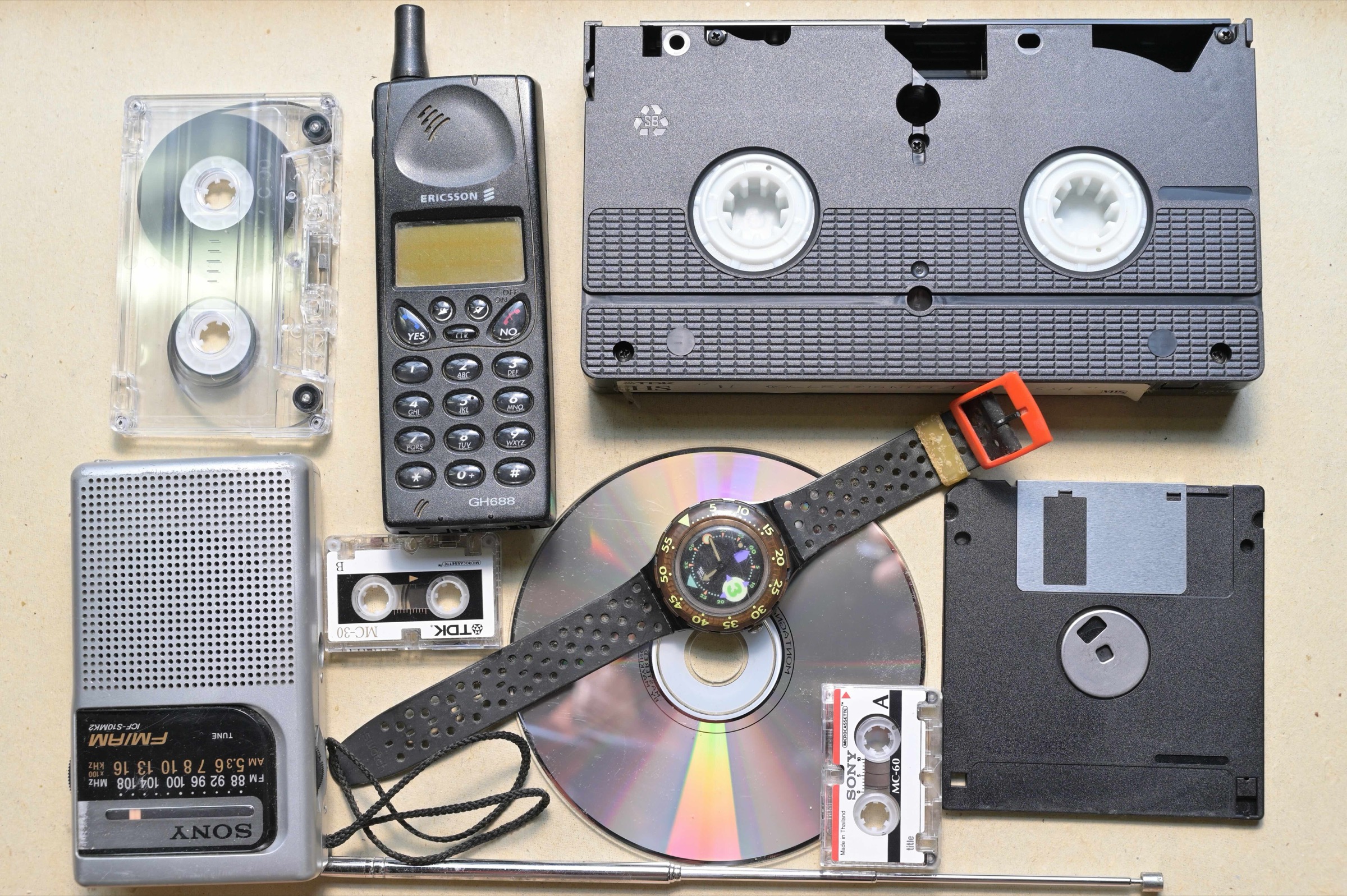
Featured image from Federico Stevanin/Shutterstock