For more than two decades, Carla Wallace made a living doing something most executives struggle to quantify: trusting her gut.
Co-founded by Wallace and Kerry O’Neil, Nashville-based Big Yellow Dog Music evolved into one of the industry’s most respected independent music publishing and artist development companies. Known for nurturing talent, the company built an impressive catalog that includes work from Meghan Trainor, Maren Morris, Kacey Musgraves, The Black Keys and Chris Stapleton.
But if you ask Wallace how she did it, she won’t point to a specific framework. “[There’s] not really one formula,” she says. “You’re just betting on a horse.”
It’s a deceptively simple philosophy that powered a 26-year run, helping songwriters achieve numerous Grammy Awards and nominations and 41 No. 1 songs. Wallace and O’Neil’s success culminated in the company’s sale to Sony Music Publishing in January 2026. Behind Wallace’s triumphs are a deeply honed ability to recognize potential, invest in people and shape long-term creative visions.
How Carla Wallace Developed Her Ear for Talent
Unlike those who credit their entrepreneurial instincts to business school, Wallace looks to her upbringing. Raised in a musical family, she was immersed in songs from an early age. “My family were musicians,” she says. “We always had music going.”
Her father would quiz her constantly: Who’s singing this? Who wrote it? Who produced it? That early exposure sharpened her awareness of the ecosystem behind the notes. “I loved songs,” she says. “I found a place to start my passion, and I never looked back.”
That passion eventually led her into publishing—a side of the industry focused on songwriters and the building blocks of music itself. It also gave her a unique vantage point to focus on the craft and the people behind it, rather than chase fame.
When Wallace co-founded Big Yellow Dog in 1998, she didn’t set out with a defined blueprint or endgame—so the company’s evolution was less a straight-line trajectory and more a sustained period of forward motion. “You’re almost constantly pushing,” she says. “You never rest and think, ‘Now we’ve done it.’”
Her mindset—equal parts ambition and survival—became the foundation of the company’s growth. Over time, Big Yellow Dog expanded outside of publishing into areas such as film and television, often ahead of industry trends. Wallace also built a team culture centered on collaboration and developing young talent internally.
Even after selling the company in late 2025, Wallace admits she’s still not sure she’s ever had a moment where she thought, “We’ve made it.”
What Carla Wallace Looks for in New Artists
Wallace is perhaps best known for discovering and working with artists like Meghan Trainor and Maren Morris early in their careers. But, since every artist is so different, she can’t pinpoint exactly what she looks for when evaluating talent. Still, patterns do emerge.
She’s drawn to individuality—what she calls “flavor.” She listens for something distinct, something that feels authentic and hard to replicate. But just as important is the person behind the music. “It really does depend on the caliber of the person,” she says.
In her experience, the most successful artists often have an entrepreneurial streak. Many come from backgrounds where ownership, initiative and work ethic were modeled early. They’re already building something and, most importantly, they’re willing to do the work.
She recalls seeing Trainor at 17, already deeply invested in her craft—writing, producing, experimenting and logging thousands of hours honing her sound before the industry ever took notice. That level of self-driven development is something she recognizes and then amplifies.
How She Turns Talent Into a Sustainable Career
Spotting talent is only the beginning. Turning it into a sustainable career is where Wallace’s real work begins. Her approach to artist development is highly individualized and starts with listening. Wallace spends time understanding how an artist sees the world: their goals, influences, relationships with others and creative expression.
From there, she helps shape a strategy by connecting them with collaborators, refining their direction and aligning their output with a broader vision. “It’s a lot of investigating,” she says. “Just let them evolve… and then decide what the next steps are.”
In many ways, her role sits at the intersection of creativity and strategy. She’s helping artists make songs and define who they are—and explore how that identity translates into a career.
Carla Wallace’s Leadership Style
Wallace is quick to downplay the idea that she has a defined “leadership style.” But her approach reveals a clear philosophy. It starts with trusting her instincts and the people around her. “Trusting my gut, following my passion, believing in myself—but also believing in others,” she says.
She emphasizes building strong teams and letting go of the idea that she has to do everything herself. That willingness to delegate—and to surround herself with talented collaborators—has been key to sustaining growth over decades.
Her leadership also leans heavily on emotional intelligence. Working closely with artists means navigating uncertainty, vulnerability and creative identity. Wallace often describes herself as a “safe place” for artists, a sounding board who helps them uncover what they truly want to say. “It’s a little bit more like being a therapist a lot of times,” she says.
It’s a role that requires patience, empathy and the ability to balance intuition with practical decision-making.
Why She Sold Big Yellow Dog and What Comes Next
After more than 26 years of building Big Yellow Dog, Wallace was driven to sell for business and personal reasons. Becoming a mother shifted her perspective on time, priorities and what success looks like.
The transition has allowed her to step into a new chapter with more flexibility to spend time with her family while continuing to do what she loves. Through her new venture, Fire Horse Songs—a Nashville-based booking agency and music services company representing independent artists—she’s still discovering talent and following her instincts. But this time on her own terms.
6 Leadership Lessons From Carla Wallace
From betting on raw talent to building lasting careers, Wallace’s leadership lessons are rooted in intuition and trust.
Trust your instincts—but earn them. Your gut becomes more reliable the more experience you build.
Play the long game. Real success takes time; invest in people and ideas that have the potential to grow.
Build a team that complements you. You don’t have to do everything; surround yourself with people you trust.
Lead with empathy. Understanding people—their motivations, fears and goals—is a competitive advantage.
Know what matters (and what doesn’t). Prioritize ruthlessly. Time is your most valuable resource.
Be fearless. No one is going to hand you an opportunity. Go out and create it.
This article was first published in the November/December 2026 issue of SUCCESS® magazine. Get your copy here.
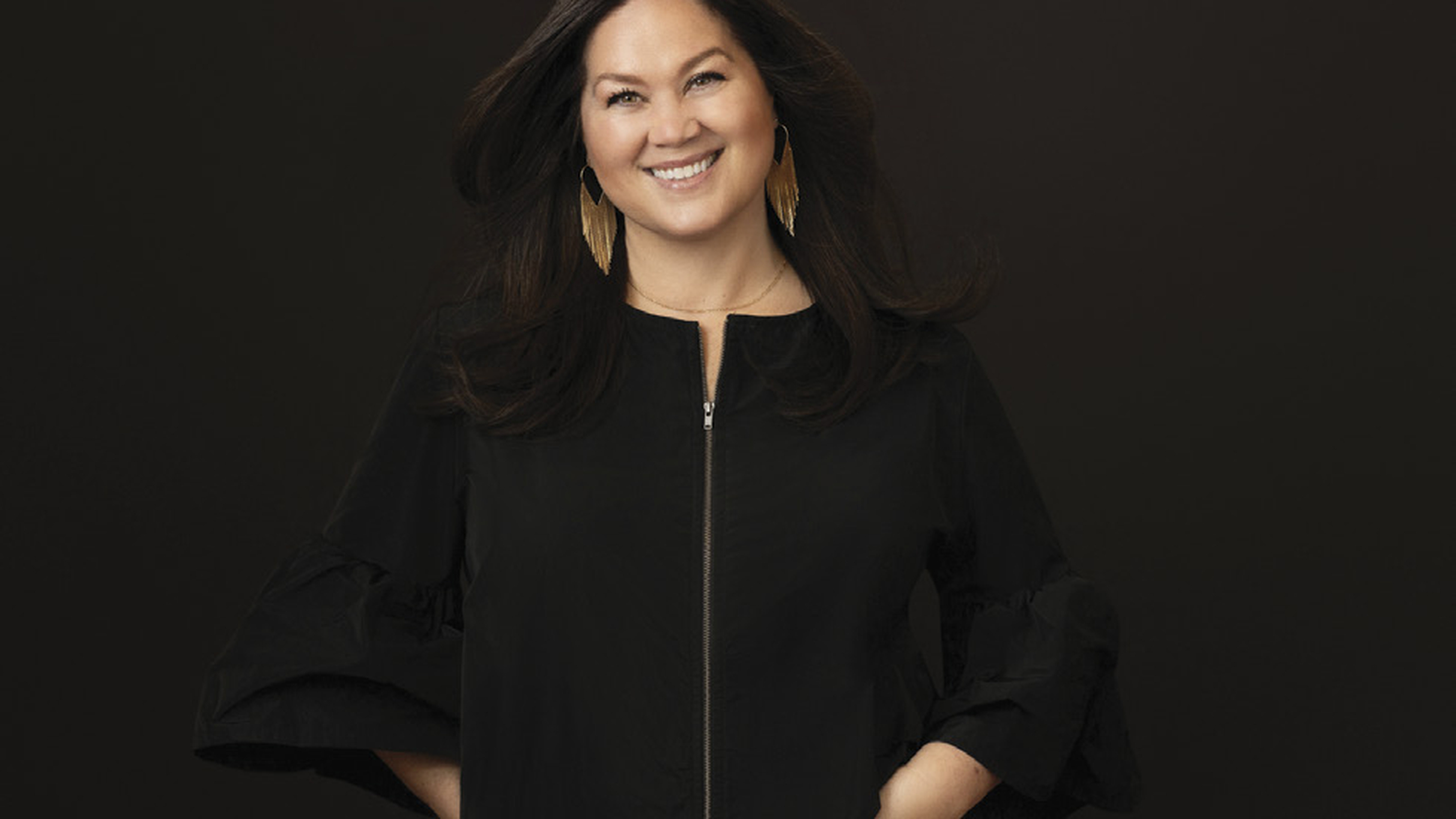
Photo courtesy of Carla Wallace