One data point from this Memorial Day weekend tells you everything you need to know about the consumer you’re selling to right now.
According to a RetailMeNot survey, the share of Americans who were planning to shop over the holiday weekend jumped from 36% last year to 54% in 2026. More intent. More engagement. More people with deals on their mind.
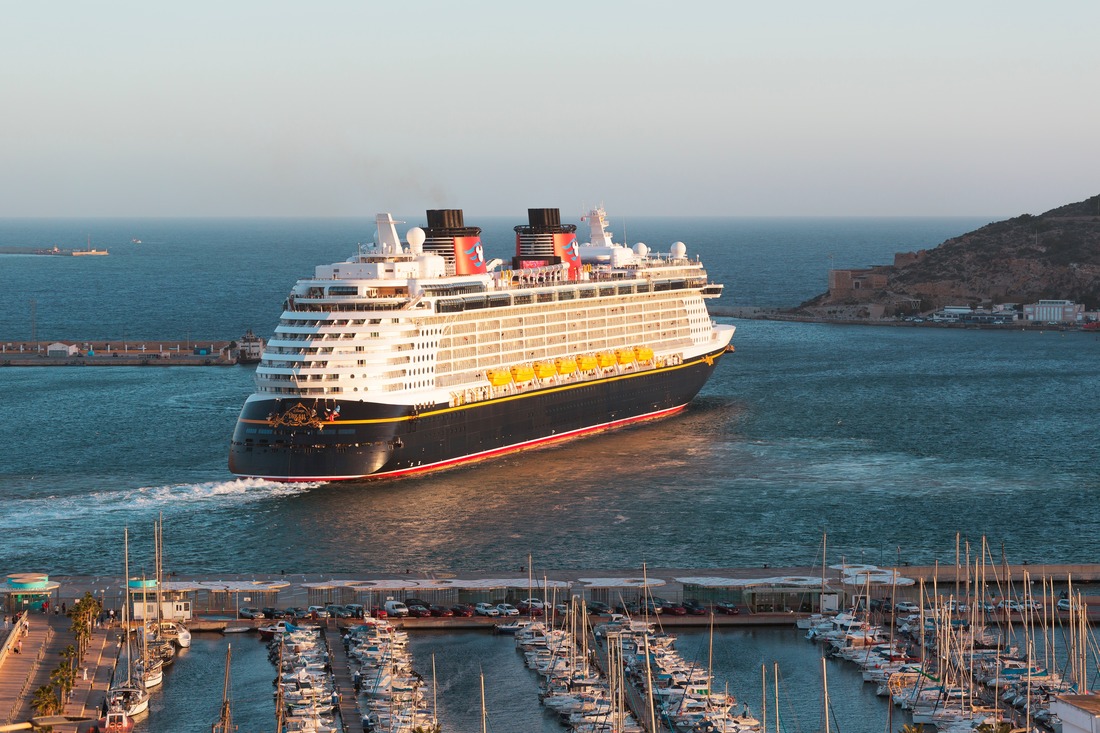
But the average amount they planned to spend dropped from $289 to $86—a 70% decline in a single year. At the same time, AAA projected a record 45 million Americans would travel at least 50 miles from home, breaking the previous holiday record. And according to PwC’s summer spending survey, the average Memorial Day traveler planned to spend $898 on the trip.
Same holiday. Same economy. Two completely different consumers. This is the two-speed consumer economy, and if your strategy going into H2 doesn’t account for it, you’re either leaving money on the table or quietly losing ground to competitors who already have.
The Split Is Wider Than Last Year’s Data Suggested
Here’s what makes this more than a seasonal story. The divergence shows up well below the surface.
A May 2026 PYMNTS Intelligence report surveying more than 2,000 U.S. adults found that 34% of American adults—more than 1 in 3—are in a state of active financial retreat. They spent less in the first three months of the year, saved less and coped primarily through cutting everyday expenses and avoiding large purchases. That’s not a fringe group. It’s more than 88 million people.
Meanwhile, KPMG’s Consumer Pulse for summer 2026 found that 60% of Americans plan to take a trip this season. Among households earning over $100,000, that number climbs above 70%. High-income consumers aren’t retreating. They’re booking early.
Consumer sentiment did fall to an all-time low in the University of Michigan’s May 2026 survey, with respondents citing elevated prices and economic uncertainty as the primary pressures. But sentiment and actual behavior are telling two very different stories this year. Americans feel squeezed and are still filling planes and hotel lobbies anyway.
The distinction matters for your business. You’re not navigating one consumer who is cautiously optimistic. You’re navigating two fundamentally different consumers whose behaviors, priorities and budgets have little in common right now.
Why Experiences Have a Built-In Advantage Right Now
The preference for experiences over goods isn’t new, but the 2026 data suggest it has intensified in ways worth paying attention to.
Research from Escalent’s 2026 consumer analysis found that experience-led value is outpacing product-led value, as consumers increasingly prioritize memorable and emotionally resonant spending over material goods. Airbnb bookings reached 491 million nights globally, valued at $82 billion, a signal that people are directing discretionary dollars toward experiences even as they pull back elsewhere.
Morning Consult’s consumer research draws a direct line between this shift and economic uncertainty: After the Great Recession, consumers retreated from goods and toward experiences as a way to find meaning and connection when money was tight. That pattern is reasserting itself now.
There’s a psychological reason this keeps happening. Experiences are tied to identity, relationships and memory in a way that a new appliance or piece of furniture simply isn’t. When budgets tighten, the first thing to go is the purchase that can be delayed, returned or replaced. Most goods fall into that category. A long-planned trip, a concert tied to something meaningful, a dinner that marks a milestone—these feel necessary in a way a new TV doesn’t.
The generational data makes the strategic implication clear. According to PwC’s survey, almost half of Gen Z (49%) and 43% of millennials planned Memorial Day travel, compared to just 29% of Gen X and 21% of Baby Boomers. Your youngest, most digitally engaged customers are also your most experience-oriented, and they’re the ones most likely to reward brands that speak that language over time.
The Audit That Shows You Which Side of the Line You’re On
Before you can adapt your strategy, you need an honest read on how your customer actually perceives what you sell. Three questions to work through.
Can your customer easily delay, substitute or skip your offer? If yes, you’re in goods territory regardless of how your marketing frames things. A software subscription nobody uses consistently, a midrange product without a clear differentiation story, a service that feels optional rather than essential—these live on the cutting side of a tight budget.
Is there an experiential frame available to you? A business coach isn’t selling advice—they’re selling the experience of having someone in your corner when the stakes are high. A premium brand isn’t selling a product—it’s selling the identity of the person who buys it. If your offer connects to a feeling, a milestone or a relationship, that connection is worth more in a selective consumer environment than it was in a loose one.
Is your pricing anchored to your value or to your competition? Two-speed markets tend to punish undifferentiated middle pricing. Consumers who are still spending are choosing quality over discount. Consumers who are retreating aren’t likely to be converted by a sale—and chasing them with one erodes the margin you need to serve the customers who do show up.
4 Moves That Work in a Selective Market
Frame the purchase as an experience, not a transaction. Look at your website, your sales process and your onboarding language. Does it describe what someone gains—a feeling, an outcome, a capability—or just what they receive? The gap between a commodity and a premium is often just the absence of an experiential frame. Start there.
Stop directing spend toward the retreating third. More than 88 million American adults are cutting, delaying and avoiding right now. Pouring marketing resources into reaching them isn’t strategic optimism; it’s paying for conversations that won’t convert. Sharpening your targeting toward the two-thirds who aren’t retreating is a more efficient use of the same budget.
Protect your premium. Two-speed data consistently shows that high-value experiences and clearly differentiated products are holding price better than undifferentiated alternatives. If you’re considering a discount to drive volume, run the full margin math before you do it. A price cut that doesn’t convert the retreating consumer and also devalues your brand in the eyes of the spending one is a loss on both ends.
Build the mechanism for loyalty over one-time transactions. A PYMNTS analysis of the current consumer environment found that loyalty programs and reduced purchase friction are proving more effective than broad discounting for retaining customers under financial pressure. A returning customer who feels connected to your brand is worth significantly more than a one-time buyer you won with a coupon code. Build the structure that makes staying easier than switching.
The two-speed consumer isn’t a Memorial Day anomaly. Tariff-driven price pressure, elevated gas costs and a generational shift toward experiences over goods suggest this split will define the second half of 2026 and likely carry into 2027.
The businesses that adapt fastest—by repositioning around experience, sharpening who they’re actually talking to and protecting their pricing integrity—will look back at this moment as a turning point. Start with the three-question audit above. Your H2 strategy begins there.
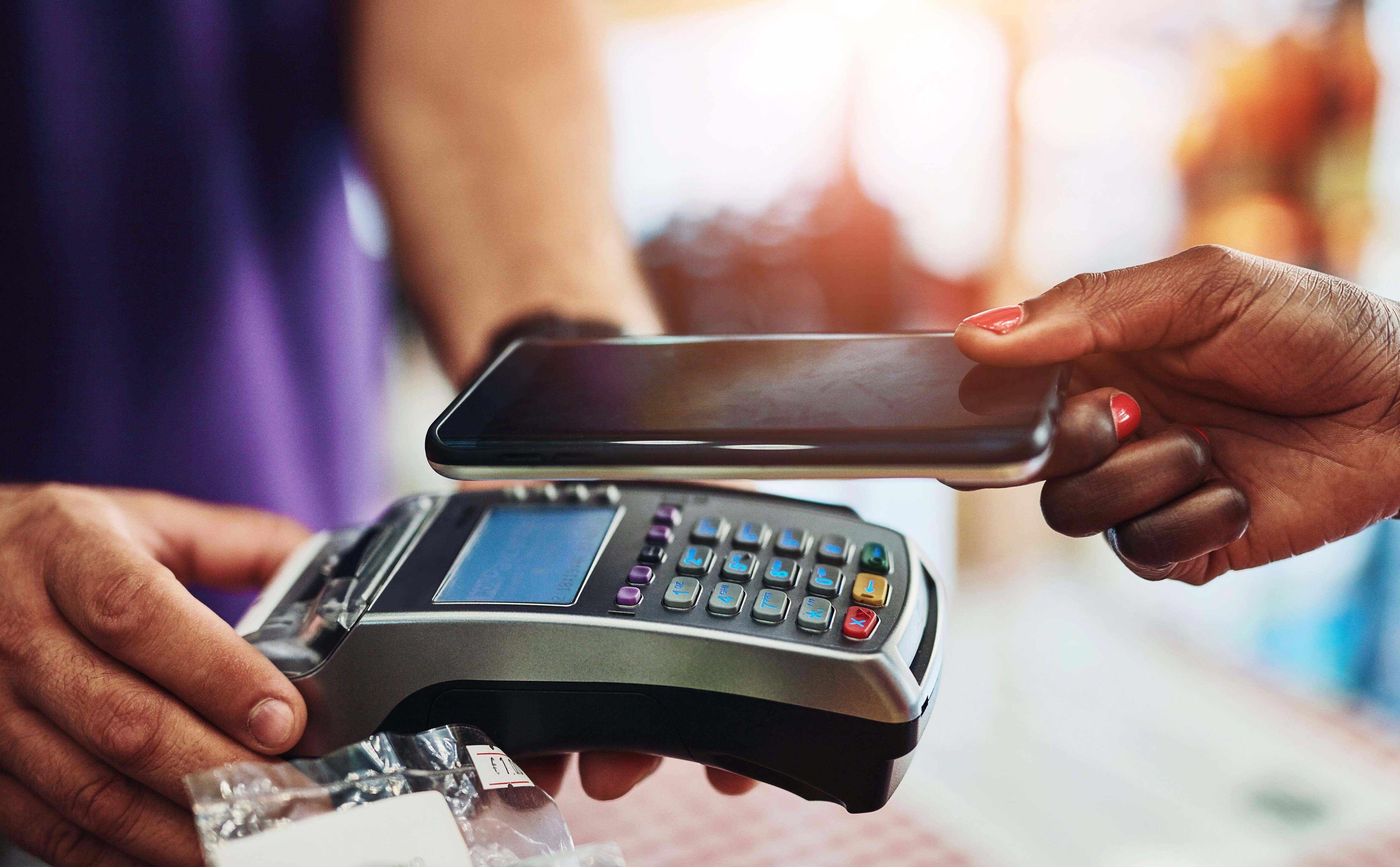
Featured image from PeopleImages/Shutterstock