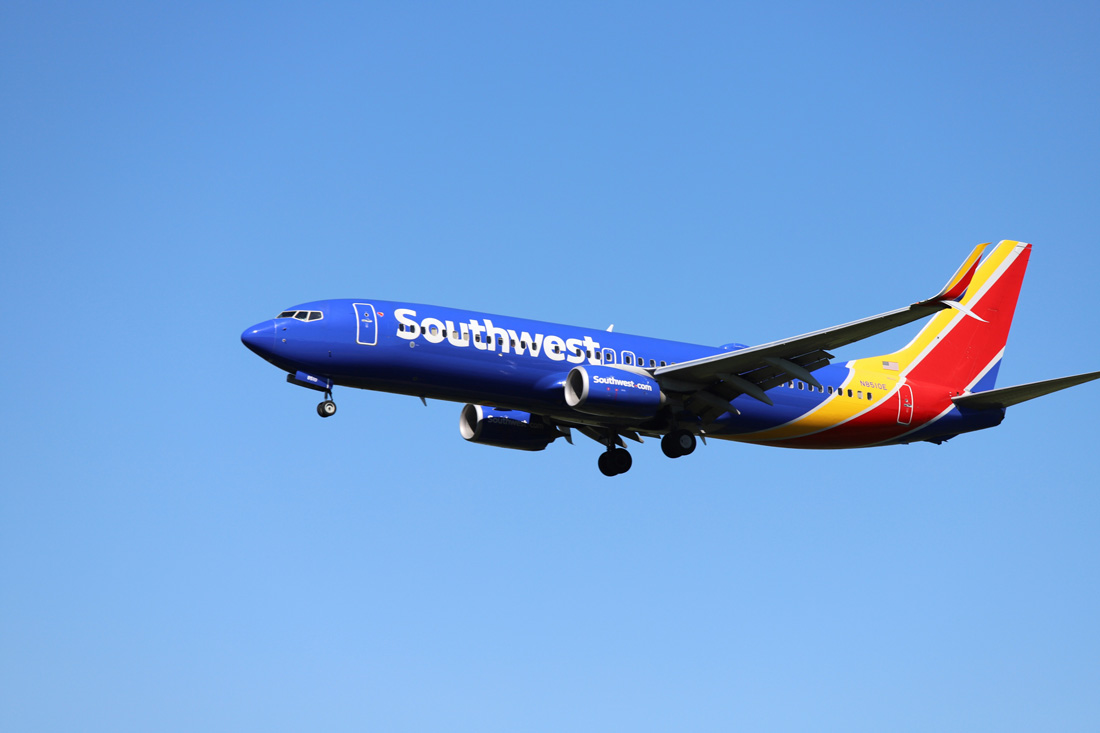

On April 27, 2026, an electric aircraft lifted off from JFK Airport and touched down in Manhattan in under 10 minutes. No helicopter noise. Zero emissions. A 60-to-120-minute drive gone. The kind of thing that makes you stop and wonder if you missed something.
You didn’t miss it. But you might be drawing the wrong lesson from it.
When you see a company like Joby Aviation hit a milestone this visible, the instinct is to think: move early, move fast, win big. That’s the seductive promise of first-mover advantage. But the research says it’s mostly a myth. And the companies that do win by moving early? They succeed for reasons that have nothing to do with showing up first.
The Statistic That Should Rewire Your Strategy
Foundational research by economists Golder and Tellis, analyzing 500 brands across 50 product categories, found that nearly half of true market pioneers failed outright. Their average market share? Just 10%. Fast followers—companies that entered markets an average of 13 years after the pioneers—succeeded 92% of the time and captured 28% average market share.
That’s not a knock on bold moves. It’s a map.
The story plays out the same way across industries. Google wasn’t the first search engine; it arrived after AltaVista, Magellan and Infoseek had already taught the market what search was. Facebook didn’t pioneer social networking; it followed SixDegrees, Friendster and MySpace. Instagram launched Stories after Snapchat, then surpassed it in daily active users. None of these companies moved first. All of them moved better.
What Joby Got Right Long Before the Flight
Joby’s JFK-to-Manhattan flight looked effortless from the outside. It wasn’t. The company has spent years quietly building the conditions that make early positioning actually defensible.
In 2025, Joby acquired Blade Air Mobility’s passenger business, inheriting a network of Manhattan heliports that served more than 90,000 passengers in a single year. That is existing customer flow and physical infrastructure: two resources competitors can’t easily replicate. The company also secured partnerships with Delta Air Lines and Uber, embedding itself into booking systems that travelers already use. And it moved through the FAA’s eVTOL Integration Pilot Program before any commercial launch, building the regulatory runway competitors still need to earn.
This is the actual playbook. First movers who win don’t just arrive early. They use that early window to lock up scarce resources: infrastructure, regulatory access, key partnerships and customer attention. Everything else is just hype.
The 3 Conditions That Make Early Entry Worth It
According to competitive strategy researchers, first-mover advantage is real—but conditional. It only holds when at least one of three structural factors is in play. Miss all three, and your head start evaporates.
1. You can set the technology standard
If your approach becomes the default way a market operates—the format competitors have to build toward—your early position compounds. Joby’s zero-emissions, low-noise aircraft isn’t just a feature pitch; it’s a positioning move for urban markets where conventional helicopters face mounting political and regulatory resistance. They’re not just building planes. They’re defining what acceptable air mobility looks like.
2. Your learning compounds over time
Every flight, every passenger, every regulatory interaction generates operational data that followers can’t replicate from the outside. When that learning creates real advantages—lower costs, better safety records, deeper customer insight—the gap between you and the next entrant actually widens as you operate.
3. You can lock up scarce resources before anyone else
Heliport networks. FAA pilot program slots. Premium airline partnerships. Key supplier relationships. When these resources are finite, and you secure them first, fast followers can’t simply outspend you to catch up. The constraint becomes structural.
Run every emerging opportunity through this filter before you commit capital or time.
When the Smart Move Is to Wait
Here’s the part that runs counter to startup mythology: In most markets, the advantage doesn’t go to whoever shows up first. It goes to whoever learns the fastest.
Lean startup pioneer Steve Blank has spent years making the case that rushing to market before you truly understand customer problems is how companies burn cash on behalf of their competitors. When you arrive too early, you pay the full cost of educating the market, fighting regulatory skepticism and discovering what customers actually want. Then a well-resourced fast follower walks in and captures the audience you warmed up.
The real strategic question isn’t, Should I move first? It’s, Do I have what it takes to make that first position defensible? If you can lock up scarce resources, build proprietary learning or establish the category standard—move. If you can’t do at least one of those things with confidence, consider watching one full product cycle play out before you commit.
A Framework Before the Next Big Move
Before you act on the next significant opportunity—a new AI tool, an emerging service category, a market shift in your industry—work through these four questions honestly.
Can I lock up something scarce? Physical infrastructure, regulatory approval, key partnerships, top-tier talent. If yes, early entry builds a moat. If no, you’re building on open ground that a better-funded competitor can pave over.
Will my learning compound? Does operating in this market give you data, relationships or capabilities that make you progressively harder to displace? Or, will a fast follower simply skip your trial-and-error phase and enter with a cleaner product?
Is the market ready, or am I the one educating it? If your potential customers don’t yet know they need what you’re selling, a meaningful portion of your resources will go toward creating demand that someone else will ultimately capture. That’s not automatically wrong—but it should be a deliberate, eyes-open decision.
Can I execute exceptionally, not just early? Research is consistent on this point: fast followers fail when the first mover has built genuine network effects or locked up key resources. Moving second only works if you move better. If you can’t outperform the pioneer on quality, speed or customer experience, you’re not a fast follower—you’re noise in a crowded category.
The Real Lesson From JFK to Manhattan
Joby Aviation’s flight covered roughly 10 miles in under 10 minutes. But the real distance traveled was years of deliberate groundwork—partnerships secured, regulatory programs navigated, infrastructure acquired—before a single paying passenger ever boarded.
That’s the first-mover lesson worth keeping. It’s not about being earliest. It’s about using your early window to build something that becomes genuinely hard to replicate. The companies that do it right don’t just beat competitors to market. They restructure the competitive landscape so that arriving later gets progressively harder.
Your next opportunity is out there. The question isn’t whether to move. It’s whether you’ve done the work to make the position stick.
Featured image courtesy of Joby Aviation