
The path to success once seemed almost automatic: graduate from college, land your first job and climb the corporate ladder one rung at a time. Every step promised greater responsibility and increased recognition, until retirement beckoned at your doorstep. But amid economic uncertainty, the rise of remote work and evolving expectations, careers today are far less linear.
Many employees are now taking a more fluid, nontraditional approach to their professional lives—and that’s a good thing, says Nicole Davidson, the founder and chief executive officer of Beacon HR, a fractional human resources consulting firm. Her company staffs employees who are expected to jump in and quickly understand different businesses in a multi-client environment.
“We actually get really excited by candidates who come to us who have moved around a little bit more in the last 10 years of their career or who have a less traditional job path,” she says. “Those who are really embracing a fluid career path... they really have done a... good job at building their networks, building community, building their skills, making sure that they’re building a personal brand around themselves.”
More Flexibility, More Success
What’s driving the shift toward more nontraditional employment? For employers, flexible staffing models can help them weather volatile or uncertain economic periods. They might have a core team of employees on staff, plus a group of trusted contractors they can call on when the workload grows.
Employees, meanwhile, often gravitate toward alternative work arrangements after being let down by a past employer.
“They feel like they’ve given everything to their role or given everything to their company, and the organization turned around and had to lay them off or had to reduce staff,” says Davidson.
With a nontraditional career, Davidson says, an employee’s stability is no longer tied to a single employer. Instead, it depends on the value they offer.
“And if an individual can handle the risk that might come with a more fluid career path, then they are very much creating more stability,” she says.
Taking Responsibility
To Sarah Cleveland, a career coach and the owner of New Leaf Consulting, this shift makes perfect sense, given that workforce norms are constantly changing.
“The days of lifetime careers are over, and [they have] been for a really long time,” she says.
Against this backdrop, it’s never been more important for employees to intentionally develop transferable skills they can apply across a range of positions, she says.
Professionals must also recognize that they—not their employers—are now responsible for their career path and trajectory. Individuals who thrive in these setups tend to have “a more entrepreneurial mindset,” says Davidson.
“They’re really, really proactive,” she adds. “They understand that sometimes, for example, they might have two jobs instead of one, or one full-time job and a side gig. And they understand that they have to always be building their network, even if they feel like they’re in a comfortable place right now.”
“Portfolio thinking”—or treating your career as a dynamic mix of assets—can also help employees remain competitive.
“You actively develop, rebalance and leverage [your skills and experience], rather than [relying on] a single job title you climb,” Davidson says. “Instead of saying, ‘What’s my next promotion?' You’re saying, ‘What am I building that creates long-term value and optionality?'”
Cleveland echoes that sentiment, adding that professionals should always be checking in to ensure their skills are aligned with current workforce needs.
“Focus on what truly are the skills that are going to get you there,” she says. “Every couple of years, evaluate what is your north star and focus on that. And that might change over the course of your career.... What skills in [your] portfolio do you need to make sure you’re acquiring and becoming really sharp at?”
How to Thrive
Once you’ve determined that you’re ready to make the shift toward a more fluid career, Davidson recommends tapping into your network.
“I would get really loud on LinkedIn, for example, about what excites me about the shift,” she says. “I would conduct informational interviews... I would follow thought leaders, I would reach out to experts, sit down with them, take them for coffee, try to pick their brain and understand what makes them successful.”
If you’re not quite ready to make the full leap, start small. Take action in a way that doesn’t feel quite so risky, like creating a business plan from an online template.
“Part of that is thinking through, ‘What kind of financial cushion do I have?'” Davidson says.
Another tip: Find an accountability partner, says Cleveland. Once you identify a skill you need to develop to move into a new role, such as becoming a better communicator, find someone who can provide candid feedback. Often, other people can spot our strengths and weaknesses more clearly than we can, because they see our abilities and blind spots from a more objective outside perspective.
“Think about surrounding yourself with almost like advisors, and having different people throughout your professional world that can... help you understand how you’re coming off in different meetings or different situations,” she says.
Additionally, you’re more likely to stand out to hiring managers if you approach your career with a "continuous growth and learning mindset,” Cleveland says. That typically means staying on top of industry trends and learning new, relevant skills.
You don’t have to focus solely on professional skills, either, she adds. Sometimes, growth comes from pursuing an outside hobby, for example.
Looking ahead, Davidson believes the trend toward flexible, nontraditional careers is likely here to stay, and professionals who embrace this shift are the ones who will come out on top.
“Candidates who are set up to be more fluid, who are utilizing technology, who are really focusing on value that they can add and asking, ‘What problem can I solve next?' are going to be really high in demand for the companies of the future,” she says.
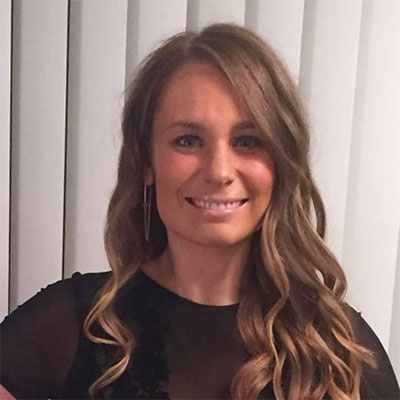
Image courtesy of Nicole Davidson
This article was first published in the May 2026 issue of SUCCESS® digital edition. Get your FREE copy here.