Your new phone comes loaded with apps for convenience and optimization. Life gets a little too easy, so you install an app to add some challenge back. That helps, until it’s too hard. Luckily, there’s an update for that. It goes too far, and now you miss the struggle.
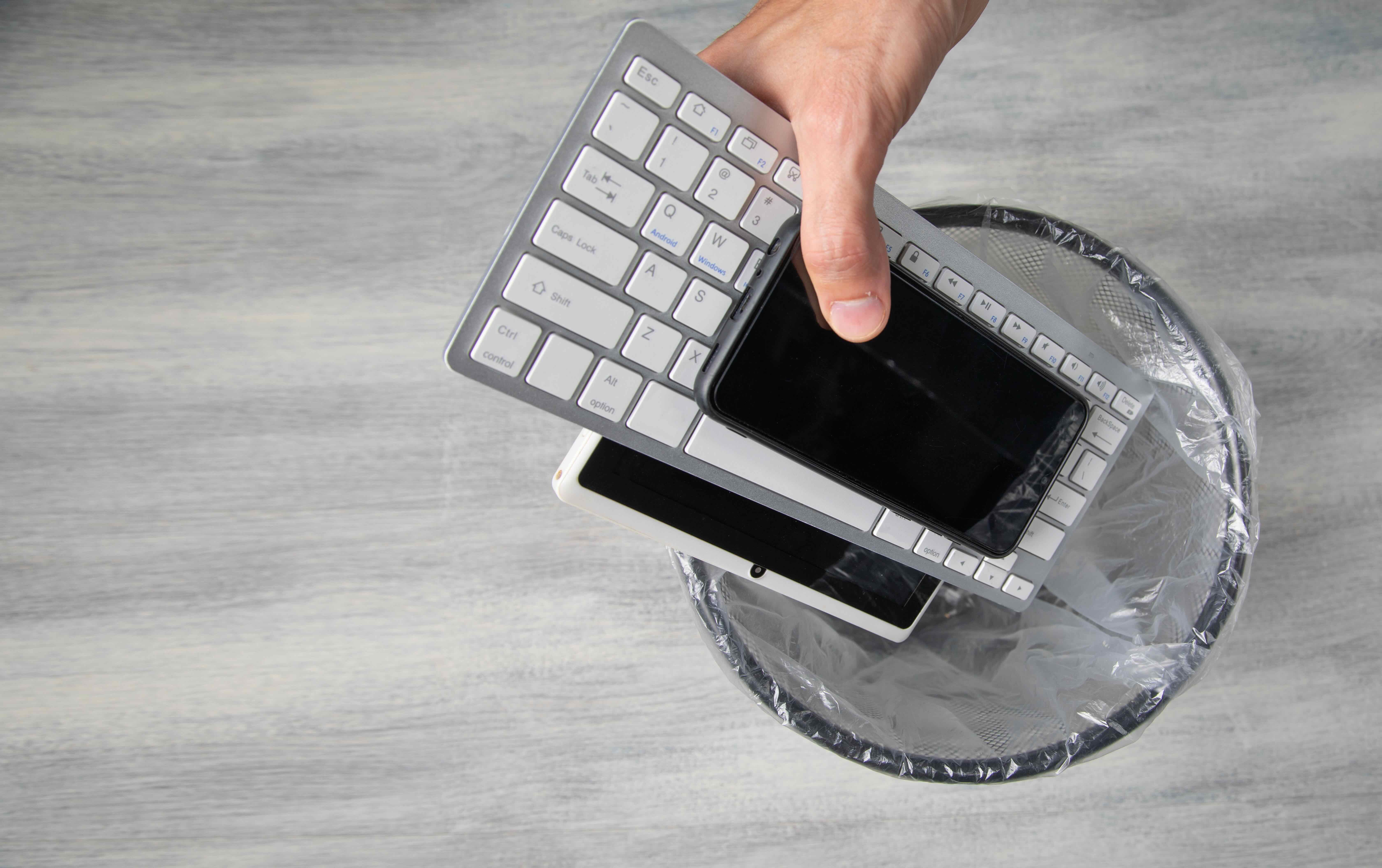
Maybe just delete the apps. Better yet, get a flip phone and fully embrace the friction life. Incinerate your smartphone, your laptop, your tablet. Let it all burn to the ground. You don’t want easy. You want simple.
And this is where it seems we’ve lost the plot.
We’ve maximized ourselves right out of optimization. Now we’re optimizing friction.
What Is Frictionmaxxing?
Frictionmaxxing means making easy things harder on purpose. Kathryn Jezer-Morton coined the term in a 2026 piece for The Cut. Paying cash instead of tapping a phone. Getting lost instead of following turn-by-turn directions. Sitting somewhere without wifi long enough to be, briefly, unreachable. Less acts of rebellion than exercises to keep a muscle fit.
Like most internet “-maxxing” trends, it sounds like trying too hard. But this one might be onto something.
Why Does Frictionmaxxing Work?
Cognitive science settled this argument decades before anyone went no contact with their GPS. In the 1990s, psychologist Robert Bjork named it “desirable difficulties”: The conditions that make learning feel easy often keep it from sticking. That’s inconvenient news for anyone who’s ever crammed for a test and then felt like a genius.
In one study, students who practiced math problems one type at a time scored 20% on a later test, while those who got the problems mixed together scored 63%. The first group felt like they were learning faster the whole time. They weren’t.
Frictionmaxxers are rediscovering 30-year-old cognitive science by feel, one flip phone at a time.
Friction’s showing up at the office, too. In a 2025 survey of executives and hiring managers, 96% said they value constructive disagreement, but only 44% were very confident recent grads could do it. That gap is the real story. Technical skills are the ones AI has gotten fastest at replicating. The skills employers can’t find, like active listening and reading a room, get built through everyday friction.
What Is Cognitive Surrender?
AI systems are built to remove friction from thinking, not just from logistics. In a January 2026 Wharton working paper, researchers Gideon Nave and Steven Shaw ran close to 10,000 reasoning trials with a chatbot that was sometimes confidently wrong.
The results split, and not in the AI’s favor. A right answer from the bot boosted accuracy 25 points. A wrong one dropped it 15 points below no help at all, and people felt more confident anyway. Four times out of five, they took the wrong answer and went with it.
Nave calls that reflex “cognitive surrender.” It sounds clinical, but we’ve all done it: nodding along in a meeting we’re only half paying attention to.
Matt Beane, who studies skill development, sees the same pattern in fields from surgery to aviation. Skill comes from doing the hard parts yourself, not watching someone else do them. It’s like learning to parallel park from the passenger seat. When automation does the hard parts, those reps never happen, and early-career workers, the least equipped to spot AI’s mistakes, lose the most.
How Do You Avoid Cognitive Surrender?
AI isn’t the villain. Frictionlessness by default is, whether the smoothing comes from a chatbot, an app, or a well-meaning manager clearing every obstacle from a new hire’s path. Speed and comfort feel like learning. As Bjork showed, they often get in the way.
Leaders racing toward frictionless AI and employees drawn to frictionmaxxing are tackling the same problem from opposite directions. Both can’t be right, and the research keeps siding with the people carrying flip phones.
Frictionmaxxing With Intention
The solution is friction with intention: struggle where it’s doing real work. That might mean attempting a problem before asking a chatbot, drafting a paragraph before prompting AI, or treating its answer as a guess to interrogate, not a fact to accept.
That’s not comfortable, and it isn’t supposed to be. The research on desirable difficulties was never an argument that struggle feels good. It was an argument that the discomfort is doing something real, and skipping it costs you later, right when you need the judgment it would have built.
You don’t need to force a cassette player into your day to get the brain boost of putting down the screens and picking up a pen. You just need to stop letting every task go frictionless by default.
Some tasks deserve automation, and nobody’s arguing for a rotary phone on principle. Lives have room for both ease and friction. They just might not have room for an app that removes the one struggle that was actually doing you some good.
Featured image from Andranik Hakobyan/Shutterstock