
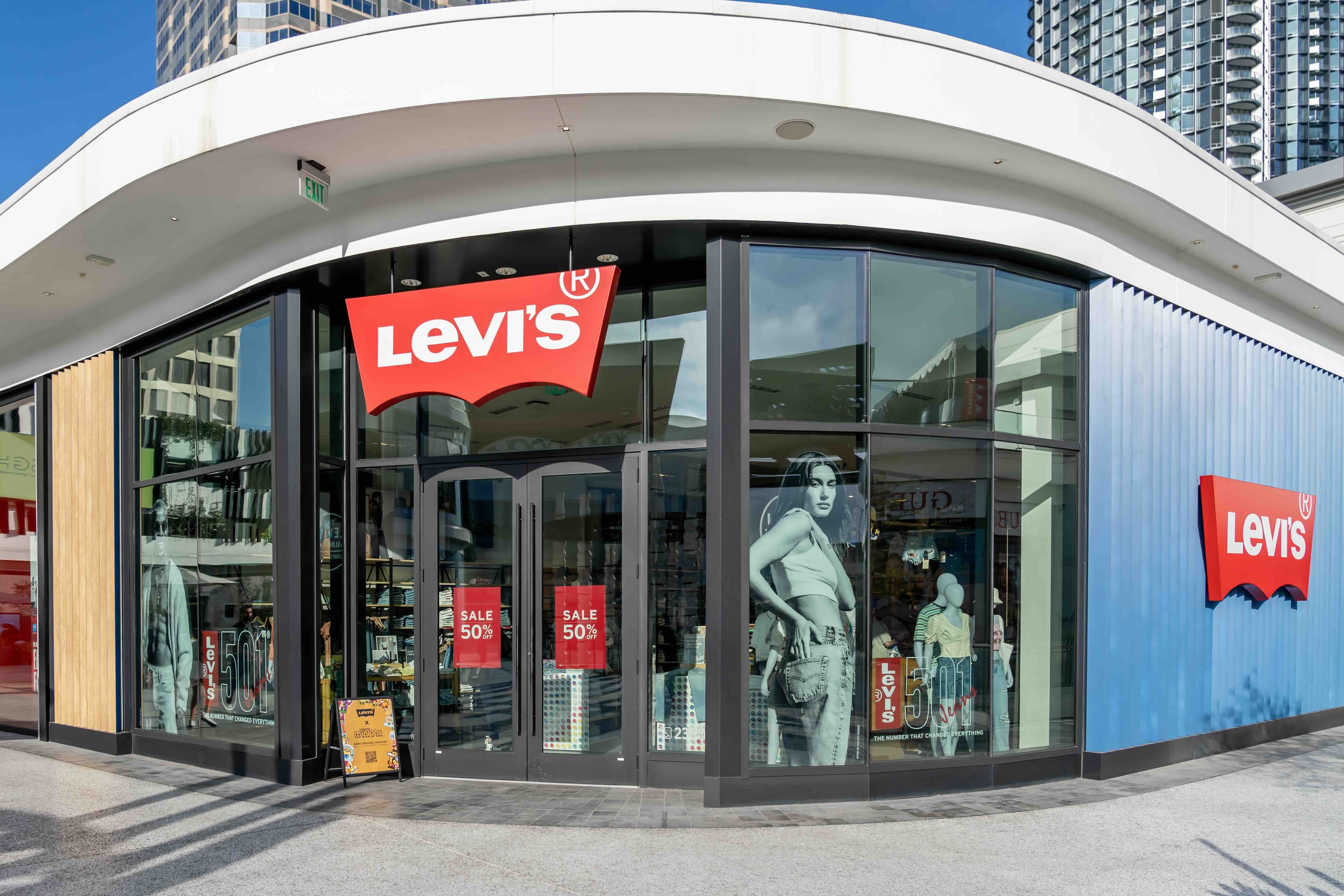
Two of the biggest names in American retail reported earnings this week, and their results told two very different stories. PepsiCo missed profit expectations as shoppers pulled back on snacks and soda. Levi’s beat estimates and raised its full-year guidance, even though its stock dropped anyway.
You don’t need to own either stock to learn something from this split screen. Corporate earnings calls are, in effect, a national focus group on how people are actually spending money right now, not how they say they will. When you read them the right way, they tell you where your own budget is exposed and where it’s safer than you think.
Why Your Grocery Bill & a Stock Report Are Connected
PepsiCo posted revenue of $24.18 billion, ahead of forecasts, but adjusted earnings of $2.20 per share came in a penny below what analysts expected. CEO Ramon Laguarta was direct about the cause on the earnings call, saying U.S. food and beverage performance moderated as consumer budgets tightened under rising costs, and that gas prices were the biggest driver.
That matters beyond the snack aisle. When a company that sells $5 bags of chips says its customers are stretched, it’s a signal about disposable income broadly, not just soda preferences. Consumer prices in May were already up 4.2% year over year, the sharpest annual jump since 2023, largely on the back of an inflation-topped 4% reading driven by gasoline costs.
The Trade-Down Signal Worth Watching
PepsiCo’s own data shows exactly how people respond when money gets tight: They don’t stop buying; they buy differently. Shoppers kept purchasing Frito-Lay products but shifted toward smaller packs, value formats and promotions, and the company cut prices by as much as 15% on Lay’s, Doritos, Cheetos and Tostitos to keep them in carts.
This is the trade-down pattern worth watching in your own spending too. It’s rarely a dramatic cutback. It’s a string of smaller substitutions, the store brand instead of the name brand, the smaller size, the coupon you wouldn’t have bothered with a year ago, that add up before you notice the total.
The fix isn’t shame. It’s awareness. A single month of tracking every purchase, down to recurring subscriptions, tends to reveal more waste than people expect, according to certified financial planners who recommend this exercise as a first step to combat stubborn inflation.
Why a Premium Brand Beat the Odds
Levi’s told a different story in the same week. The company posted adjusted earnings of 28 cents per share against a 24-cent estimate, with revenue up 8% to $1.56 billion, and it raised its guidance for the full year on the strength of that quarter.
Shares still fell 4% anyway, a reminder that markets often price in fear faster than they price in fact. But the underlying business result matters more for your purposes than the stock reaction: A brand with strong customer loyalty and clear value positioning kept growing in the exact environment that hurt a mass-market snack company.
The lesson isn’t that premium always wins. It’s that clarity about what you offer, and why someone should pay for it, is what lets a business or a household absorb inflation without panicking. Vague value propositions get cut first when budgets tighten. Distinct ones survive.
The Part of This Story That’s Actually Good News
It’s easy to read two earnings reports about tighter budgets and file the whole thing under bad news. That misses what’s actually happening. Consumers aren’t panicking or freezing spending altogether. They’re making sharper decisions, and companies that respect that intelligence are being rewarded for it.
PepsiCo responded to the pullback by cutting prices instead of cutting corners, and it’s still growing revenue even with a rough quarter. Levi’s proved that a business built on genuine loyalty can grow through a tightening cycle rather than despite it. Neither story is about scarcity. Both are about adaptation, which is the more useful lesson for you.
The same is true at the household level. A tighter month forces a kind of financial clarity that abundance rarely does. People who track spending during a squeeze often keep the habit long after conditions ease because they’ve seen firsthand how much control it gives them. Treat this stretch as a forcing function for better systems, not a reason to feel behind.
What This Means for Your Own Budget
Start with the basics before you touch anything else. Financial guidance built around the 50/30/20 model generally recommends keeping roughly 50% toward essentials like housing, food, transportation and insurance, which gives you a benchmark to check your own numbers against.
If gas, groceries or utilities have eaten into that ratio over the past six months, you’re not imagining it. Lower-income households spend roughly four times as much of their after-tax income on gasoline as higher earners, so a spike at the pump hits budgets unevenly even when the national inflation number looks modest.
From there, apply the PepsiCo lesson to yourself: look for your own trade-down opportunities before a crunch forces them on you. Review recurring subscriptions, refinance what you can and shift discretionary spending toward the categories that actually bring you joy rather than cutting evenly across the board.
What This Means if You Run a Business
If you sell to consumers, PepsiCo’s playbook is a preview, not just a warning. Watch for early trade-down behavior in your own customer data: smaller order sizes, more coupon use, longer gaps between purchases. Those show up weeks before revenue does.
Levi’s result suggests the counter-move: don’t compete on price alone if you don’t have to. Sharpen what makes your product or service distinct, and communicate that value clearly, rather than matching every competitor’s discount. Businesses that win loyalty on clarity tend to keep customers even when those customers are cutting back everywhere else.
Either way, treat this earnings season as free market research. You’re getting a real-time read on consumer psychology from companies that spend millions to understand it, and you can apply the same read to your own pricing, budgeting and planning decisions this quarter.
Featured image from JHVEPhoto/Shutterstock