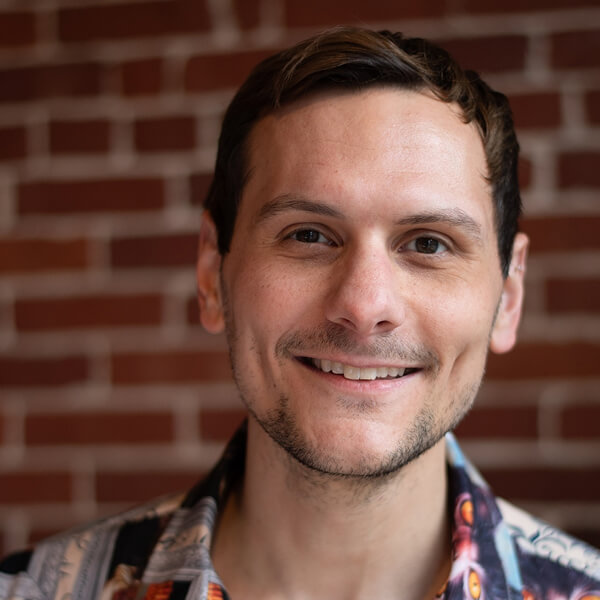
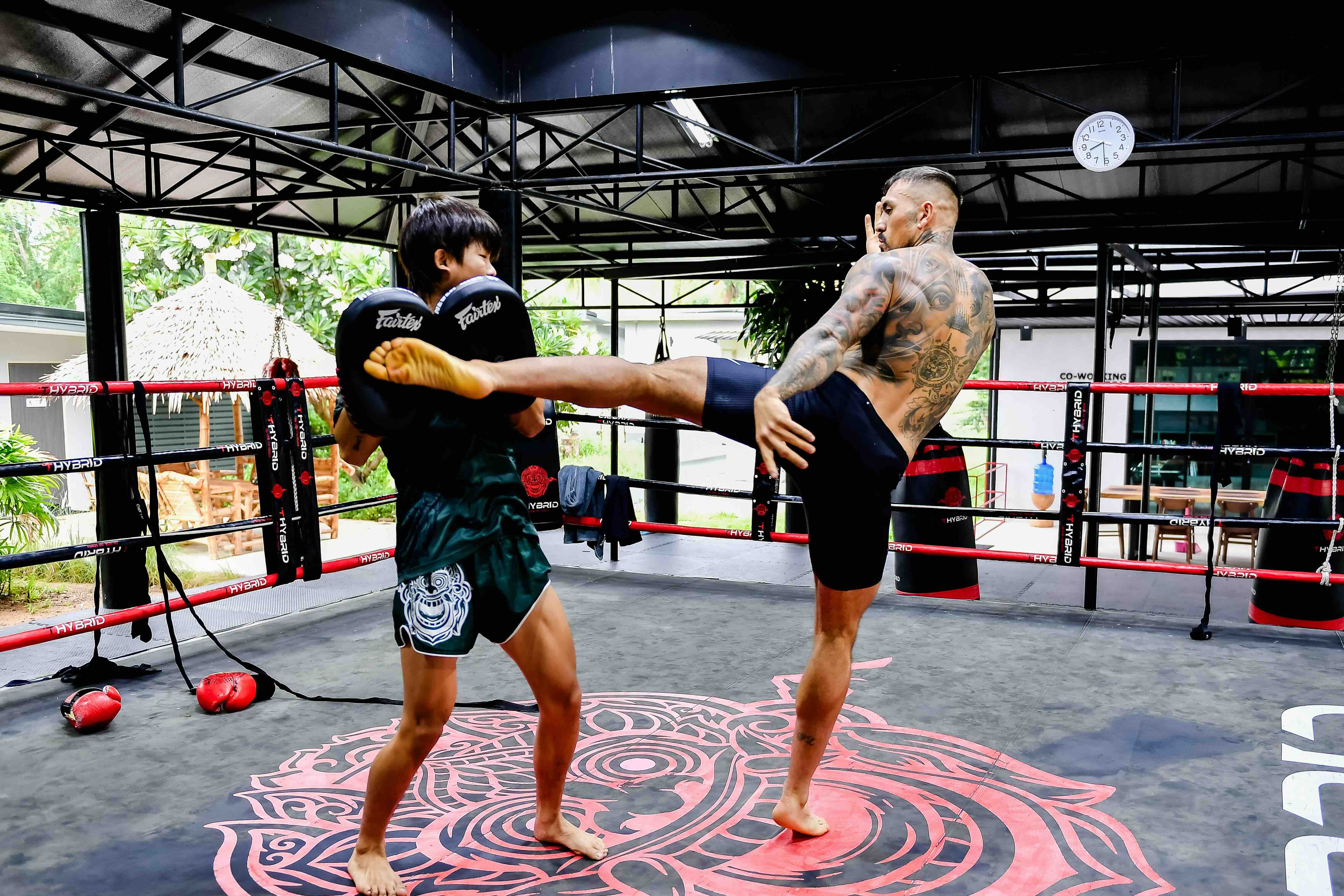
It’s not that you can’t slow down. It’s that you’ve wired your worth to your output—so stopping feels like losing.
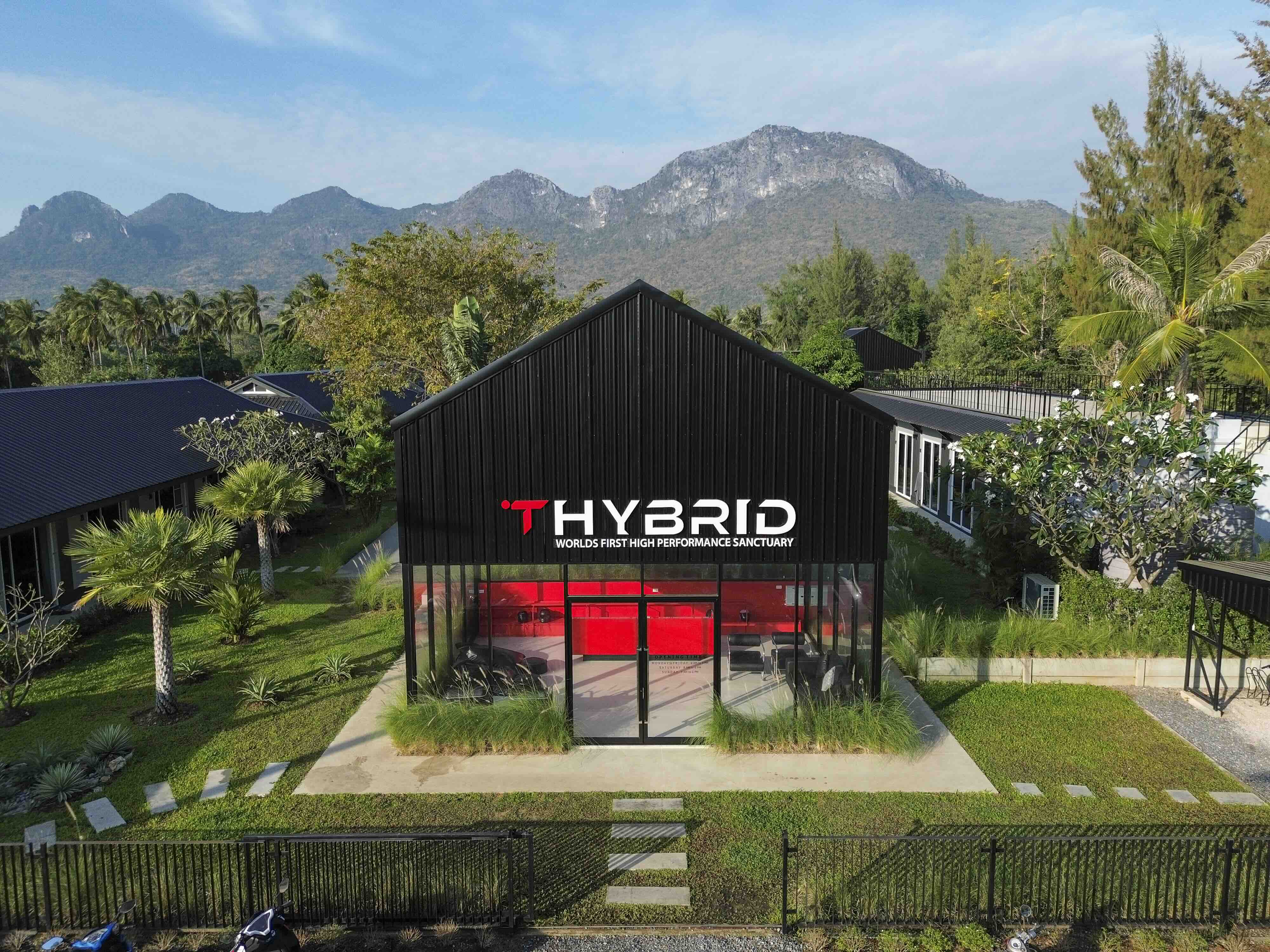
That is the pattern Francis Lee sees again and again at Thybrid Training Centre, the high-performance sanctuary he built in Sam Roi Yot, Thailand (formerly 301 Muay Thai Gym).
He is not describing a fringe few. Landmark UCSF research led by psychiatrist Michael Freeman found that mental health concerns affected 72% of the entrepreneurs surveyed, with 49% reporting at least one lifetime mental health condition, a rate far above the comparison group. A separate analysis of California tech founders identified what clinicians now call “shadow burnout”—persistent burnout symptoms while founders simultaneously meet or exceed their business targets. Winning on paper. Breaking down underneath.
Founders and executives arrive wired for work. They promise themselves they will train, eat well and recover. Then a Slack ping wins. The gym slot disappears. Caffeine carries them from 6:00 a.m. to 6:00 p.m.
“A lot of them are actually breaking down,” Lee told SUCCESS®. “They’re highly fueled on caffeine. They stay away from physical performance. And any time they promise themselves to exercise or take care of their health—if something pops up, that gets disregarded completely.”
Sound familiar?
According to Lee—a former professional fighter, hybrid fitness coach and entrepreneur who has trained thousands of people over 15 years—the fix is rarely just another “day off.” Passive rest does not quiet a mind that still believes its worth equals its output. What high performers need is a reset rhythm: exertion, recovery and protected focus—ideally inside an environment built for that cycle.
You may not be able to fly to Thailand tomorrow. You can still steal the system.
The Belief You Need to Unlearn First
Rest is not recovery if your nervous system never downshifts.
The people who find Lee are not weak. They are high performers—often single entrepreneurs in their middle years, running businesses, living behind laptops, winning on paper while losing presence, sleep and health. He calls one version of this an addiction to output—a form of addiction that looks respectable because it pays the bills. The toll is measurable: Vistage CEO Confidence Index, surveying more than 1,500 business leaders, found a substantial majority of CEOs report feeling burned out or emotionally exhausted at least occasionally.
“They think they’ve done it all or know it all,” Lee said of many founders and execs. “When it comes to assessing or monitoring their health, there can be a lot of resistance.”
His blunt reframe for anyone building wealth while borrowing from their body:
“No amount of wealth is going to keep you alive. If you had a choice between $10 million or being alive tomorrow—you’re going to pick your life.”
The work matters. It is just not the only thing that keeps you in the game long enough to enjoy what you build.
SUCCESS® Tip: Stop asking “Why can’t I relax?” Start asking “Where is my output going—and what am I avoiding by never fully stopping?”
What a Sanctuary Actually Does
Lee deliberately calls Thybrid a sanctuary, not a retreat or a generic gym.
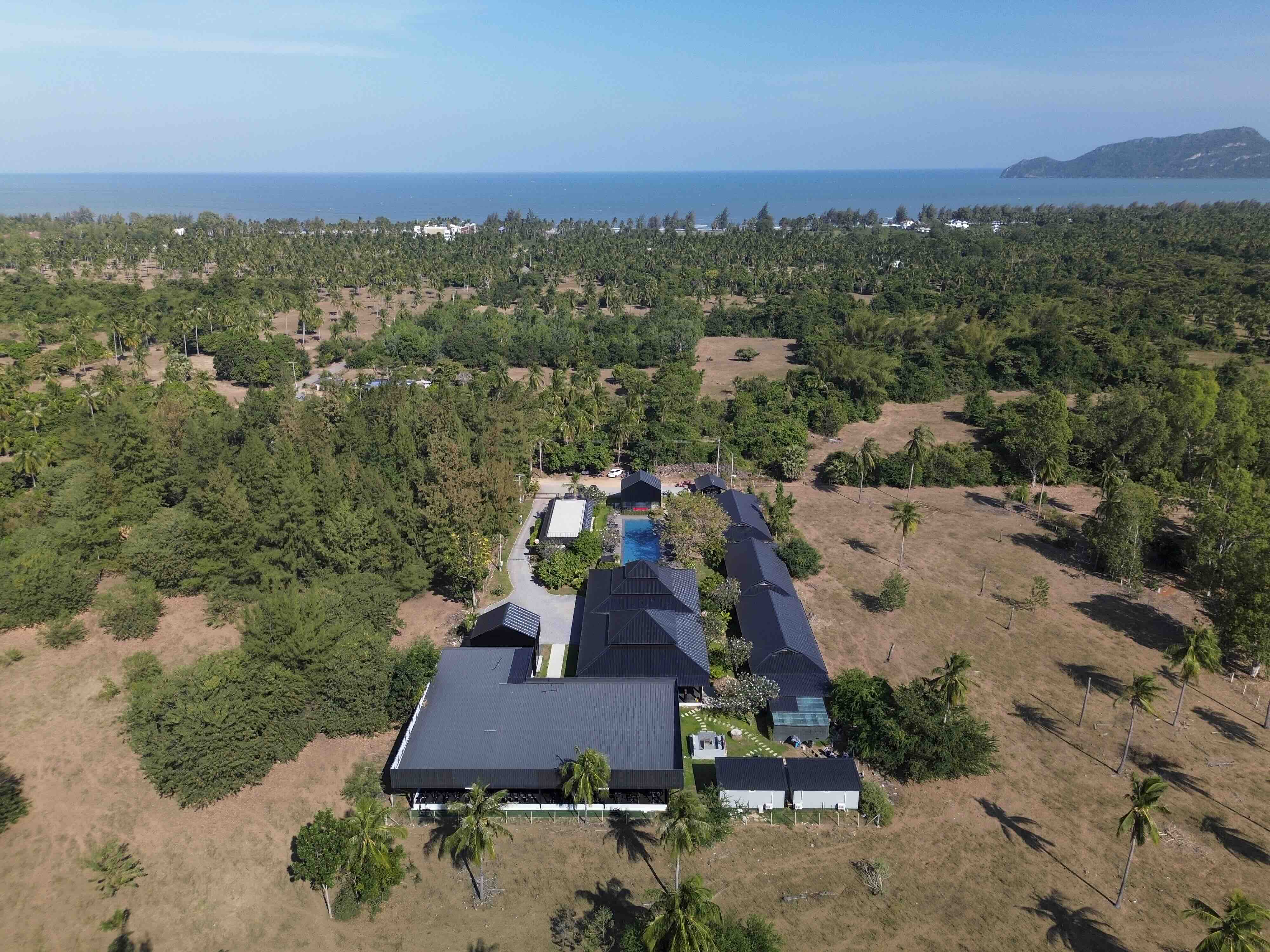
The distinction is practical. Everything is integrated on one site: training, organic meals, laundry, accommodation, recovery and workspace at Round One Coffee & Kitchen. The nearest city is roughly 45 minutes away. There is no nightlife scene competing for attention—“the closest thing you’ll have to making a choice is maybe one convenience store or one bakery,” Lee said.
That frictionless design has a job: remove decisions so you can focus on yourself.
Guests who stay two or three days often describe something deeper than fitness. Lee has watched solo tech founders—people who “live with a laptop” and little community—find belonging among roughly 20 on-site guests at a time. Room neighbors become close friends. Strangers start companies together. In the past two years, Lee estimates Thybrid has supported more than 500 people across addiction recovery, output addiction or genuine life upgrades. 72% of guests extend or return, he said—a signal the experience is closer to being a “home away from home” than just another holiday.
For Lee, the model is personal. He first traveled to Sam Roi Yot in his early twenties while battling addiction, telling family he was “going to train Muay Thai” when the trip was closer to rehab. Every two or three years, he returned to level up. When he took over the gym, he moved his family there permanently—including his four-year-old and eight-month-old—to build the place that had repeatedly changed his life.
“I wanted this special spot of land to help people how it helped me,” he said.
SUCCESS® Tip: Audit your environment. What friction keeps pulling you back to output? What one integration—meal prep, walk route, gym block, phone boundary—could you remove this week?
Discharge Before You Open the Laptop
Thybrid runs on what Lee calls the daily rhythm—a structured day guests learn at induction. It starts before email.
At 6:50 a.m., a trainer rings a bell from room to room. Everyone meets at the coffee shop, then walks or runs to watch the sunrise. The timing is deliberate. Viewing sunlight within the first hours of waking increases early-day cortisol release and prepares the body for sleep later that night, and daytime light exposure is linked to better mood and sleep in large studies of adults. Starting the day with sunlight rather than a screen sets that rhythm in motion. Then comes combat training (Muay Thai, all levels), followed by Lee’s physical standard class: hybrid strength and conditioning built to push people toward a real physical limit.
“That moment when you’ve bodied yourself—you’re on the floor, you’re physically out of breath, and your heart rate is the highest it’s ever been—I believe that sometimes in that moment, you have your truest thoughts,” Lee said.
Only after that comes food, recovery (sauna, ice, pool) and work blocks of three to six hours. Another combat session may close the evening. Excursions—cave hikes, national parks—punctuate the week.
The sequence is the lesson: focus on yourself before you focus on everything else.
“I think the first thing we do is check a device,” Lee said. “Once you’ve done that, you’ve already let cortisol into your body. That is a bad signal for the rest of the day.”
The instinct is well-founded. The cortisol awakening response—a sharp rise in cortisol in the first 30 to 45 minutes after waking—is shaped by what you anticipate, not just biology: studies of working adults find a more pronounced response on workdays than on work-free days, an apparent anticipation of the demands ahead. Lee’s version is embodied, not theoretical: train first, then earn the right to think strategically.
SUCCESS® Tip: Block 30–60 minutes of physical exertion before your first meeting or inbox check—walk, lift, bag work, a hard circuit. Treat it like a CEO calendar hold, not a reward for finishing work.
Recovery Is the Switch, Not Spa Culture
Ice baths, sauna and a 20-meter pool are not Thybrid’s luxury extras. They sit between training and work on purpose.
“For the guys that are really into optimization, longevity, de-stressing—cortisol regulation—you need to be into your recovery,” Lee said.
Skip that downshift, and you carry fight-or-flight into Slack. Lee admits he is still learning the founder side of the equation himself—he recently moved his team from WhatsApp to Slack—while having spent years mastering physical standards first.
His rule of thumb for guests: if you have seen the sunrise and completed a session, you have done the non-negotiable deposit. Recovery and community do the rest.
“It’s not perceived as an addiction or a demon because it’s what we need to do to make ends meet,” he said of overwork. “You have to make a decision: are you doing enough—or are you just overdoing it?”
SUCCESS® Tip: After hard exertion, insert a 10-minute transition before screens: cold shower, stretch, walk or one meal eaten away from your desk.
Why Location & Community Are Part of the Reset
Sam Roi Yot sits about 800 meters from the beach—a 10-kilometer stretch Lee describes as largely untouched—with mountains on the other side. The name itself means 300 peaks.
Lee is not romanticizing geography for Instagram. He is arguing that environment is one of the most powerful drivers of performance. Isolation is part of what he is treating: a 2026 Rise Report found that 1 in 7 female founders cited loneliness and isolation as their single biggest challenge. He contrasts Thybrid with entrepreneur hubs where people arrive expecting connection and find masks instead—Bali, London, Los Angeles, even founder-focused co-working in Dubai.
“What we’ve created brings down people’s barriers,” Lee said. “You meet the person before you meet the founder.”
Optional device vaults reinforce the same idea: guests can lock phones from 7:00 p.m. to 7:00 a.m. and reach for a notebook instead of an AI prompt for every half-formed thought. The concern is not abstract—researchers have begun documenting how AI-induced technostress is significantly associated with anxiety and depression symptoms.
“It is only going to get scarier and quicker and more overstimulating,” Lee said of technology. “We need to put systems in place now so we do not digest everything at once.”
“Not for Everyone” Protects the Reset
Thybrid reviews applications. The site states plainly: This is not for everyone. Lee vets intentions—the sanctuary works when guests arrive to heal, build or level up, not to chase nightlife. He has turned people away, including a guest recently off a serious drug addiction, who he felt needed a dedicated treatment center first.
That filter is not elitism. It is performance design.
Build Your Sanctuary at Home
You do not need 300 peaks outside your window to start. Lee’s prescription is simpler: find your daily rhythm.
“If sea breeze and fresh air regulate you, first thing you might do is walk to the beach,” he said. “If that puts you in a meditative state ready for the day—that works.”
Then stack three foundations. Real nutrition: Lee eats plain—ground beef, rice, eggs; salmon, berry rice, green beans. “We’re so used to synthetic taste now,” he warned. “We don’t realize the impact this is having on our health.” A physical session: “By week three or four of a structured training block, you’ll see your capacity at work has grown because of your input in the gym.” And persistence: “People tend to give up just before they see the real benefits.”
For those who cannot travel to Sam Roi Yot, Lee is extending the model: a hybrid fitness app launching within roughly two months, plus selective one-to-one online coaching.
Lee’s closing challenge is not about Thybrid. It is about the timeline.
“In five, ten, twenty, thirty years—the business isn’t going to keep you alive,” he said.
The reset is not an escape from ambition. It is how you keep ambition from consuming the person who started it.
Images provided by Francis Lee and Thybrid Training Center