It can be rough to stay authentic in the music industry, but Lydia Asrat has dedicated her career to advocating for female artists, and Mama Duke has forged a path to fame on her own terms after years of others trying to fit her into a predetermined box. Their work has shown up on some of the biggest stages in the world, not just because of their talent, but because both refuse to settle for what someone else told them was possible.
Mama Duke’s Authenticity on America’s Got Talent
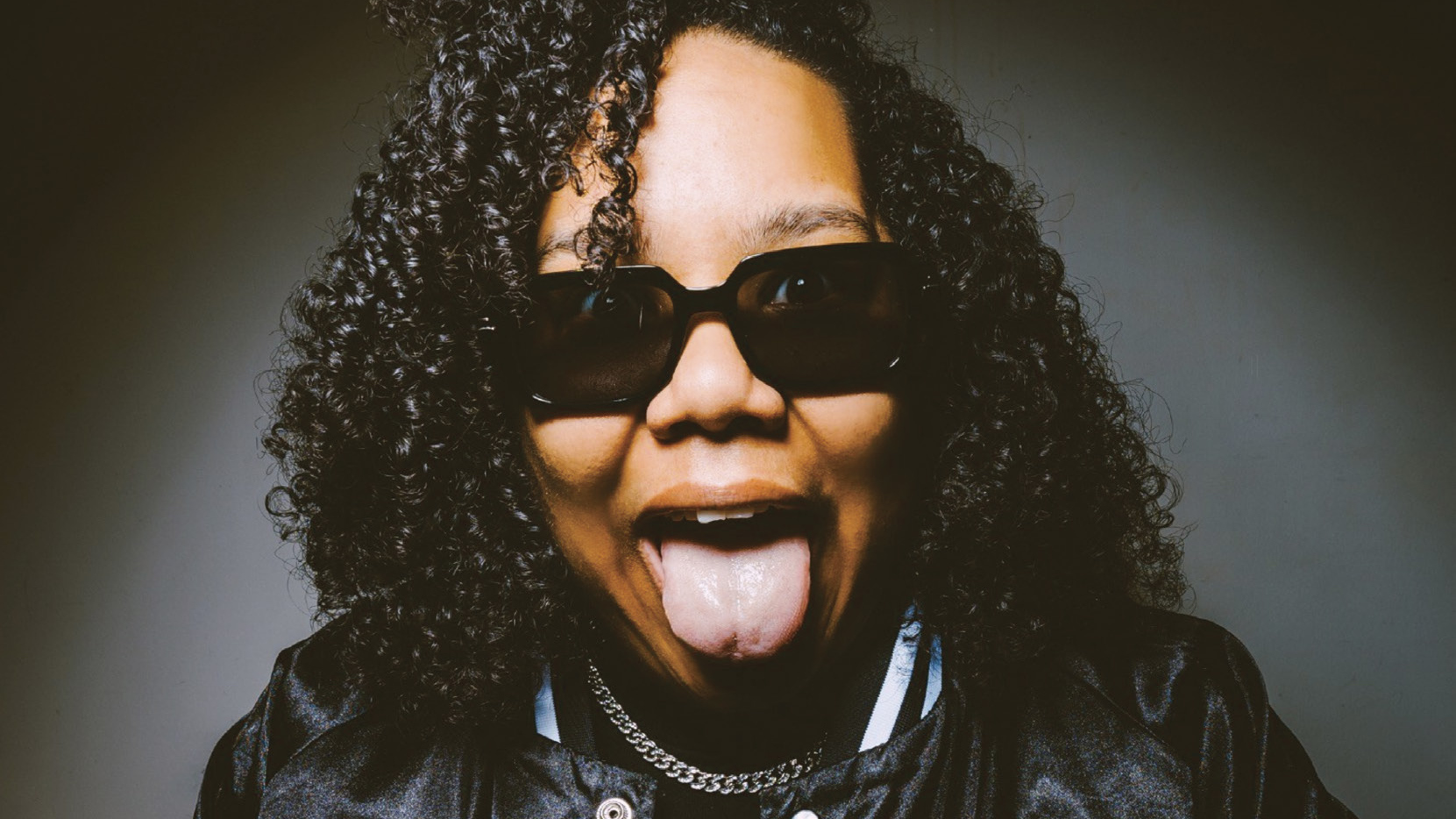
When Austin, Texas, musician Mama Duke walked onto the America’s Got Talent stage in season 20 wearing a brightly colored sweater with 3D monsters on it, no one knew what talent she’d be showcasing.
So when she moved the audience to their feet with the highly addictive “Feels So Good To Be You,” it was clear singing was what she was meant to do. And it was quickly validated by judges Mel B, who said, “My god, that’s already a hit,” and Simon Cowell, who said, “You have what I call ‘it’…. It’s a feeling. You just know it, and you have it.”
That “it” is authenticity, the secret weapon that has defined Mama Duke’s career.
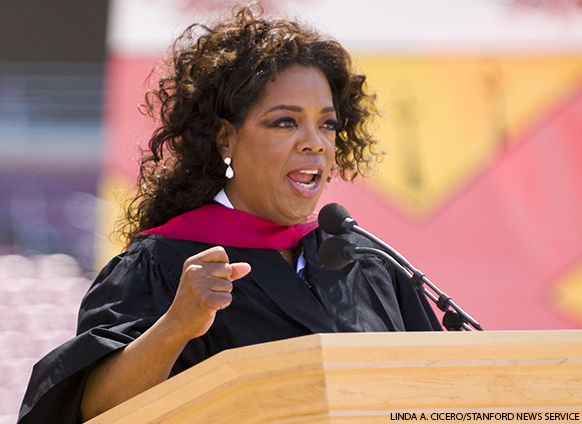
In May 2025, before her AGT debut, the 38-year-old Austin Hip-Hop Award-winning artist of the year and female artist of the year gave a TED Talk about being true to yourself.
“Magic doesn’t always look like a lab coat or a bestselling book,” said Duke, born Kori Roy. “Magic can look like somebody who decided they were worth believing in before anyone else could.”
That kind of awareness, she says, was a gift her mom gave her.
“She was like, ‘You tell the world who you are, not the other way around,’” Mama Duke shares. “I think that just followed me. I truly feel like life is unbecoming everything you’re not, so everything I am is already here. I have it. I just gotta go find out what I’m not.”
What she’s not, she says, is like everyone else.
“I was raised with the Mexican side of my family,” says Mama Duke, who has a Mexican mother and Black father. “While trying to understand what that meant growing up, now I am the ‘other’ everywhere I go.… People always looked at me.… When I came into my queerness, it wasn’t unfamiliar. I think that is in my DNA.”
Now, she feels like “it’s really cool to be this other thing. All the things that used to hold me back are now uplifting me.”
That includes finding herself in AGT’s Top 10, singing songs she wrote herself.
Mama Duke’s Golden Buzzer Moment
When her original song, “The Mama Duke Show,” earned her the golden buzzer from Mel B during her second AGT appearance, her lyrics marked the trajectory of her career: “Marvel in the spotlight/ Fading in from off-white/ If this is the last time I have with you/ Put this in my highlights.”
You could feel her gratitude for the bigness of that moment.
A bigness she would have been fine with if that’s all it was.
“I needed THAT moment,” she says, adding, “if it stopped there, I would have had the momentum to come home and still do what I’m doing.”
After all, she had just seen her audition song top 4.5 million plays on Spotify. The world was telling her that getting to one of the biggest stages in the country, on her own terms, was worth celebrating. It was a moment her younger self dreamed of when she was rapping with her friends at lunch, hoping one day her words would reach people.
“Fourteen-year-old Kori is like, ‘You did that. I knew we were gonna do it, but I didn’t know. But, yes, I knew,’” she says.
© Nikola Kitanovski/Courtesy of Lydia Asrat
Lydia Asrat’s Path From Intern to Doja Cat’s Manager
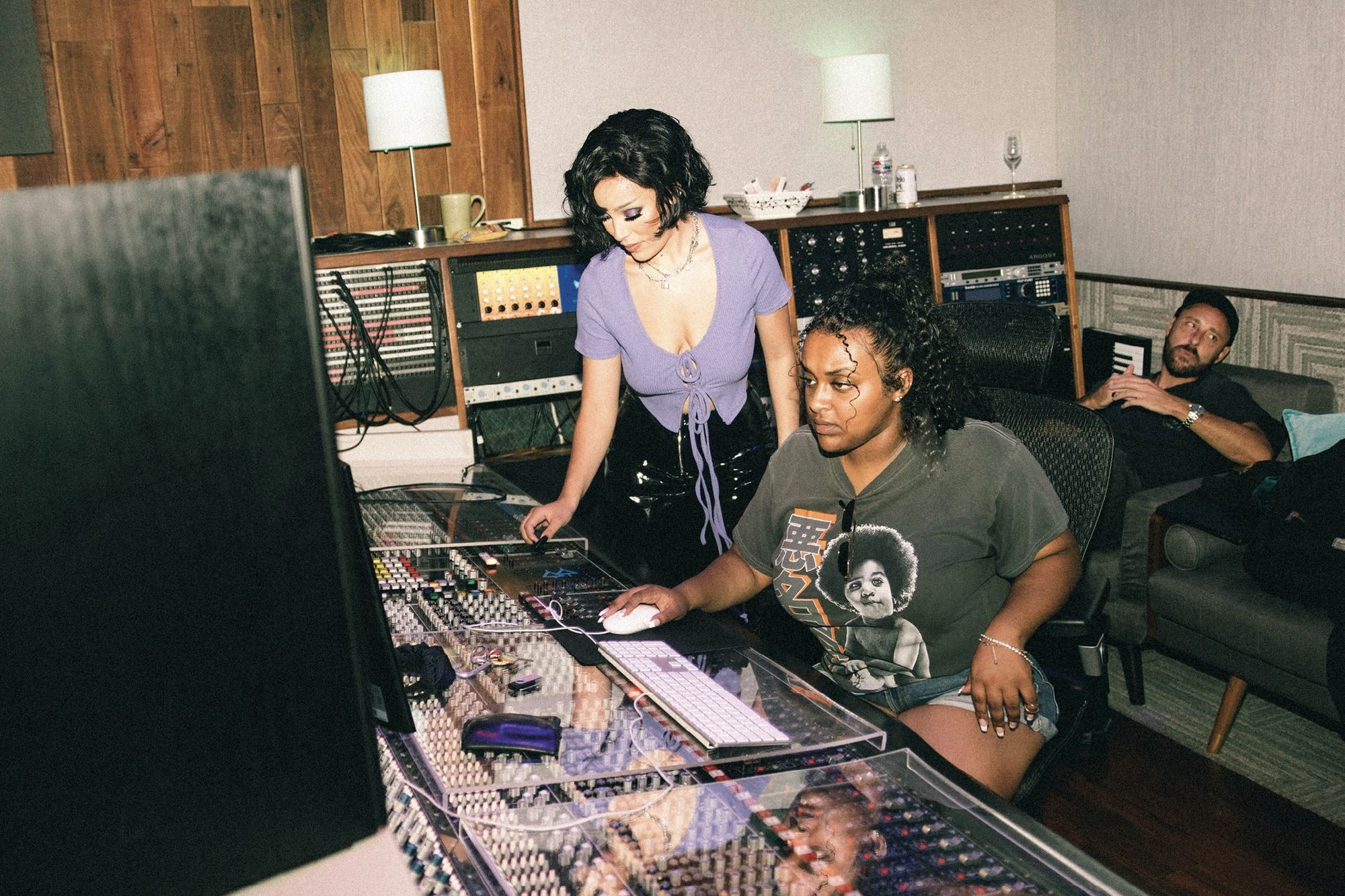
That feeling is something Lydia Asrat knows well. And though she’s on the opposite side of the stage as a music manager, talent executive and songwriter for some of the top music artists out there, she also dreamed of a life where music was the center.
“I was in every choir that I could be in,” she says. “Music has always been a big part of my life—even culturally. I’m Ethiopian, and our culture, our rituals, all have to do with music and incorporating song and rhythm into everything from our church to our celebrations.”
Asrat remembers watching American Idol and making comments in advance of the judges that mirrored what they eventually said about contestants. She was only 13, but her ear was trained to recognize talent.
After working as an intern at Warner Records and studying music at Loyola Marymount University in Los Angeles, Asrat got a job in event production as she worked toward her big break.
The pieces started coming together when Asrat served a two-week stint as a tour manager for an up-and-coming Doja Cat, who was touring with Lizzo.
When Doja’s manager quit, a door opened, changing everything for Asrat, who was also working a full-time job.
“I think it was someone else seeing what I saw, and I was able to do it so seamlessly, and I was able to do it without asking too many people what I needed to do,” Asrat says. “We started booking shows and started really moving, and I looked at my boss and I think I asked him for some time off. And he told me no, and I was like, ‘You know what? I’m gonna bet on myself.’ And I did. And I never looked back.”
There were moments early in her career where working for DoorDash helped pay the bills, so she knew that if she needed to go that route again, she would. She believed in her client’s talent as much as her own.
“I was so willing to do whatever it was that I had no fear when I stepped away because I was living in my passion,” she says.
She co-wrote Doja Cat’s hit, “Say So,” which earned a Grammy nomination. Since then, Asrat has represented other female artists like Coco Jones and Normani as founder and CEO of 10Q Management.
What Authenticity Means to Lydia Asrat
None of this would have happened if Asrat turned her back on her principles and her vision.
Authenticity, to her, means being clear in who you are and holding boundaries with kindness.
“I think the word ‘aggressive’ for women is so easily thrown on us when we’re being assertive, and assertiveness is very, very important so that people in the industry understand that you are not joking and that you are very serious about your client, and you’re very serious about what you’re saying,” Asrat says.
Serving as a safe haven for and empowering women is also important to Asrat. “Especially women of color,” she says, “because we are just the smallest minority group of representation in the industry when it comes to the manager side and executive side.”
Why Betting on Yourself Pays Off
Asrat’s advice for others is simple: Don’t stop believing in yourself, no matter how difficult or far-fetched your dream might seem.
“There’s always a way,” she says.
For Mama Duke, the way involved being vulnerable in front of America and one of the most notoriously critical judges on the planet.
During her AGT audition, when she said to Cowell, “I need this,” there was a resonance to her words. She was saying what most people feel—wanting to be seen for who they really are.
“When Simon said, ‘I really, really like you,’ I’m like, ‘What?’ You can’t even explain it,” she recalls. “Especially because I’ve watched him my whole life, and… for him to say that I’ve got ‘IT,’ I’m like, ‘I will never second-guess myself again.’”
But it’s more than just a compliment from a legend. It’s also about knowing she didn’t have to wear the clothes someone else wanted or sing the lyrics America expected. She got to that stage just by being herself, and that mattered.
As she said in the final words of her TED Talk, “Don’t wait for the world to clap for you…. Clap for yourself loud and often. Because there is a melody in all of us. Once you tune into your own song, you realize it was never about the world catching up. It was about you finally listening.”
This article was first published in the November/December 2026 issue of SUCCESS® magazine. Get your copy here.
Featured image courtesy of Jessica Hooper