Building a $100 million brand is Patricia Nash’s idea of retirement. By the time she launched Patricia Nash Designs in 2010, she had already built a manufacturing company, acquired licenses from major corporations like Disney and the NFL to design private-label products, taken her company public and served as a consultant for billion-dollar streetwear brand designer Marc Eckō. It was a full and successful career, and after cashing out of her company and consulting for a few years, she was ready to take a break.
“I just told the team I was retiring,” Nash says, “and they said, ‘Well, you can’t do that.'”
Her long career provided a unique combination of creativity and operational expertise. Designing canvas tote bags for companies like J.Crew, Express and American Eagle gave her connections with fashion retailers, and her experience launching a manufacturing company with approximately 700 employees gave her plenty of opportunities to learn how to manage people, raise capital and drive revenue. Nash had all the ingredients for success in a new venture, but she wanted her next chapter to capture both her passion and her purpose.
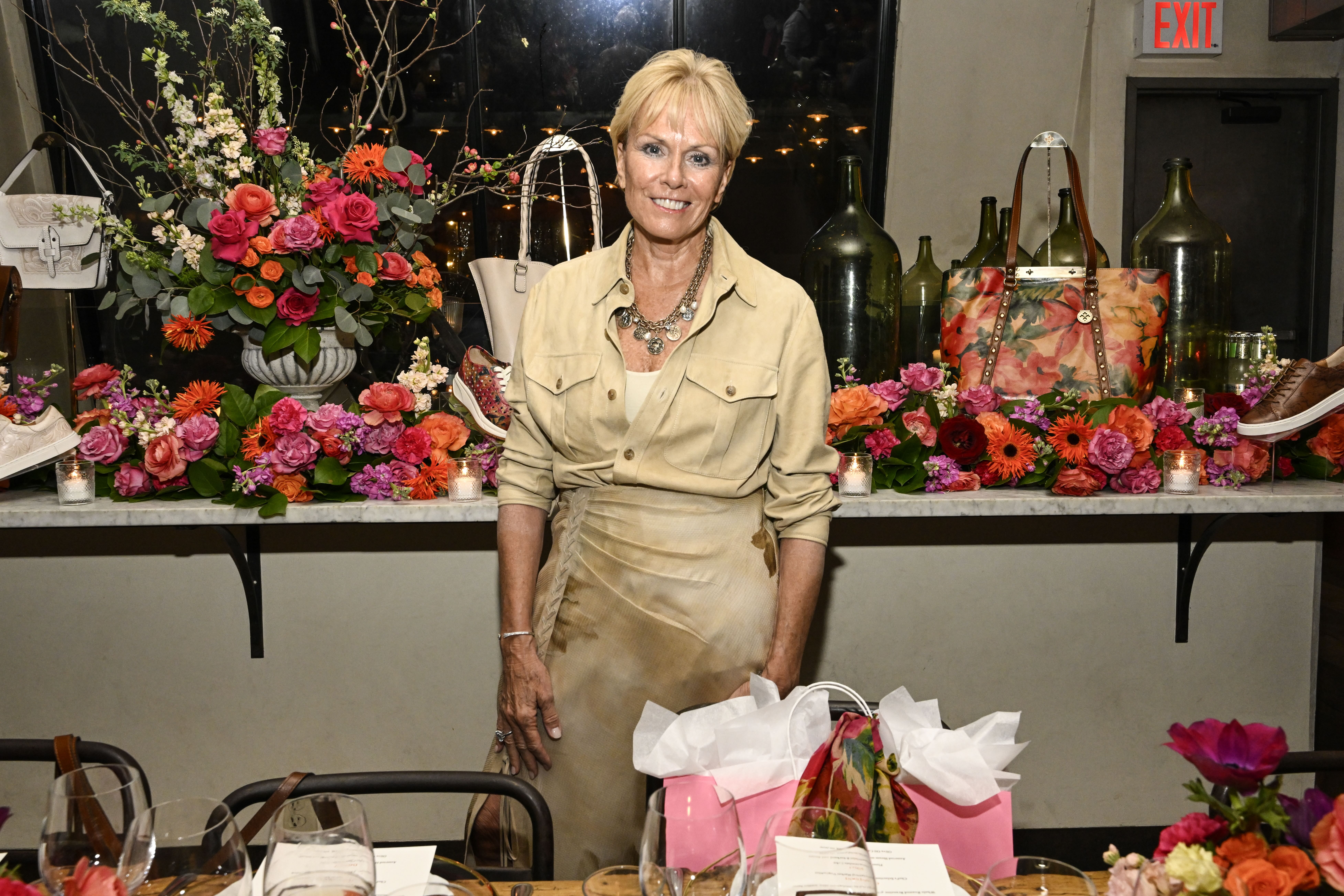
That spark arrived in the form of a handcrafted handbag, a wedding gift from her grandfather to her mother, which she discovered stored away in her mother’s closet. The hand-tooled bag was a work of art and still smelled of rich leather and, as she admired it, she realized how it stood out in contrast to the homogenized handbag market. A new dream was put in motion, and Nash designed eight vintage-inspired leather handbag prototypes to showcase at a meet-and-greet with buyers in New York. The response was overwhelmingly positive, and Patricia Nash Designs was born.
“My whole life was leading me to this moment of starting this company,” Nash says. “Life experiences in business really shape who you are. I don’t know that Patricia Nash Designs could have been as successful if I would have started it as one of my first endeavors when I was 35. I learned so much from my mistakes. I learned so much from what I did right....You can’t put a young head on old shoulders.”
How to Build an Authentic Brand Without Chasing Trends
In keeping with the inspirational bag tucked away in her mother’s closet, Nash designed with real Italian leather and developed intricate patterns, referencing her own library of ideas from years of travel and vintage shopping. Fashion brings with it a tendency for trend chasing, but Nash’s experience taught her that when a brand loses its authenticity in favor of the fad, the consequences are long-lasting. So instead, she crafted an ethos that reflected a lifetime of curated taste, business acumen and industry relationships, and as the company scaled and expanded over the years, Nash was clear to draw lines around the brand’s integrity and her own.
“You have to say ‘no’ a lot,” she says. “I can’t tell you how many times… someone has come to me and said, ‘This bag is trending. Can you do it for us?'.... All you need to do is put your label on it… and make a few more million dollars. But if it’s not right for us, we say, ‘…You’re going to have to buy it from somebody else because it’s just not us.'”
This has happened several times over the years, where the project didn’t feel quite right for the brand. “We’ve left money on the table,” Nash says.
How to Lead a Team Without Micromanaging
Staying rooted in this authenticity has made Nash a leader who finds the healthy balance of staying in the details while encouraging her team to work independently. It’s an approach she refers to as “sprinkles”—moments of engagement that make all the difference. At photo shoots, she’s there on the first day, talking to models and discussing how best to present her designs. At the home office in Knoxville, Tennessee, she’s in tune with the customer service department, which is staffed with real people who answer the phone and strive to go above the call of duty to resolve customer issues. It’s a leadership style that gives her brand a small-business feel even though it’s a multimillion-dollar global operation.
“It’s important for me to make sure everyone clearly understands and follows the brand DNA,” she says. “I lead with belief and confidence in my team that they can do the job, and I don’t micromanage. I let people set their own schedules within reason. I don’t interrupt in the middle of a project…. I try to empower my team.”
How Cause Marketing and Philanthropy Build Customer Loyalty
Nash’s commitment to authenticity has attracted multigenerational loyalty. In an age-segmented industry, finding success across demographics is no small feat, but Nash has wielded qualitative studies in recent months to guide the strategic evolution of her brand. Utilizing the same leather and craftsmanship but adding less structured styles, for example, boosted the brand’s ageless appeal this year, as did a simple brand refresh and opting for classic, clean photo shoot styling. As a result, the company saw a 27% boost in purchases from customers ages 24-32 and a 12% increase in customers ages 18-24.
“That little touch was golden,” Nash says. “Our growth is really coming now from this younger generation.”
For these younger shoppers, vintage isn’t just a vibe; it’s a memory bank, allowing them to reconnect with the nostalgia of a beloved era or relative. It’s an approach to shopping that Nash is seeing as part of a greater shift among consumers, who want both quality and an emotional connection to the brands they love.
For Nash, bridging the two has always been found in philanthropy and supporting causes that are dear to her heart. Her efforts to support breast cancer awareness have led her to host multistate benefit events and pop-up “Shop for the Cure” experiences. While these campaigns are built to support worthy causes, they simultaneously foster community and introduce new customers to the products.
“We obviously work on a budget,” Nash says. “We always seem to spend a little bit more on philanthropy than we set in the budget, and that’s OK, too…. There’s a reward, which is you get new customers who see you are actively participating and being a part of something that is important to them…. It’s a win-win.”
Image courtesy of Patricia Nash
This article was first published in the September/October 2026 issue of SUCCESS® magazine. Get your copy here.