
Few professional moments are as uncertain—yet as full of possibility—as starting a new chapter in your career. It can feel like a lonely crossroads, but you are far from alone. People successfully pivot all the time.
Reskilling, reinventing and “recareering” have all become normal parts of professional life. But when you’re staring at a dusty old resume, unsure which parts of your story to keep and which to cut, the optimism can fade quickly. Instead, you’re left with an avalanche of questions about what’s next.
Thankfully, you don’t need to start your resume from scratch when changing jobs or industries. You just need to update it to tell a new story—one that looks to your future as well as your past. Here’s how to update your resume when you’re changing careers.
Distilling Your Work History
As with any resume overhaul, start by updating your work history. Choosing what to include begins with deciding how far back into your past to reach. Ten years of work experience used to be the rule of thumb for resumes, but “the way that the workforce moves now... that almost seems too long,” says Brad Minton, a career counselor and the founder of Mint To Be Career. Instead, he recommends emphasizing the most recent five to seven years.
Feeling like all of your work history is equally important is one of the top mistakes Minton says recareering professionals can make. “That’s an easy trap to fall into,” he adds.
Omitting roles from your resume can feel like erasing history or editing out important chapters of your professional story. Minton is familiar with the emotional aspects of recareering: He himself pivoted from being a therapist to a career counselor and educator. But he advocates for brevity, encouraging professionals to present a more focused picture of how their skills fit into this new employer’s puzzle.
As you write, remember the true purpose of a resume. You’re not telling your whole professional life story. You’re distilling your experiences to those that are most relevant to each specific opportunity.
Translating Your Value
Reinventing yourself professionally isn’t a black-and-white transfer from one role to another. Professionals must connect the dots through the gray areas to help hiring managers understand how their past has prepared them for this new future.
While everyone’s individual strengths vary, emphasizing the most in-demand soft skills can help your experience translate in a timely, relevant way. According to the World Economic Forum’s Future of Jobs Report 2025, the most sought-after core skills among employers are analytical thinking, resilience, flexibility and agility. Other top contenders include leadership and social influence, as well as creative thinking, motivation and self-awareness.
But it’s not enough to simply list these skills on your resume. “Anybody can make that claim,” Minton says. “Instead, demonstrate [those skills] through the work history, in your bullets, through your... individual positions. Showcase how you’ve utilized those critical thinking, adaptability or whatever skills that you want to showcase.”
Highlighting AI
Artificial intelligence is here to stay—and employers are on the hunt for professionals who can successfully work alongside it. If you already have AI experience, spell that out on your resume and explain how you used it in previous professional roles, volunteer work or personal projects.
If you don’t have AI experience, start upskilling right away with free AI courses, certificates or personal exploration. Being self-taught isn’t a negative. In fact, employers will likely be impressed by your ability to take initiative and learn independently.
List any AI courses or certifications in your resume’s education section, and consider reflecting on your AI experience or aspirations in your cover letter.
Adding a Cover Letter
It’s true that employers don’t always read cover letters. But Minton still describes them as a heavily underutilized and extremely valuable tool. While a resume looks back at your history, a cover letter looks forward to your aspirations. He encourages job seekers to use this space to demonstrate their energy and enthusiasm. And if you’re making a career pivot, a cover letter can help you communicate your potential. “From the standpoint of an employer, it’s about what are you going to do next and how can you contribute tomorrow,” Minton says.
Finding Opportunities in Career Gaps
If you’ve been out of the workforce due to layoffs, parental leave, health needs, caregiving demands or just a general career pause, you might be concerned about the gap on your resume. But just because you weren’t working doesn’t mean you don’t have transferable skills. Consider highlighting experiences beyond paid work, such as your most recent personal projects, self-led education and upskilling initiatives, volunteer roles or academic undertakings. Unpaid projects are often overlooked, Minton says. “If you’re demonstrating a skill and you’re contributing to something... I think everything is fair game,” he adds.
Staying Optimistic
Recareering is not just a buzzword—it’s a defining feature of our modern work era.
History has already earmarked the 2020s as a time of career pivots. First, the repercussions of the COVID-19 pandemic contributed to massive layoffs and workplace disruptions. Then, AI caused a fundamental shift in the way we live and work. “People are going to change careers four to five times throughout the course of their life,” says Minton. “So, it is a natural and expected part of one’s career development journey.”
Boiling down “act one” of your career into a few bullet points on a resume can feel impossible. But years from now, when you’re at a networking event talking about your success in your new field, you won’t remember how you felt while updating your work history. You’ll just be grateful that you had faith in “act two.”
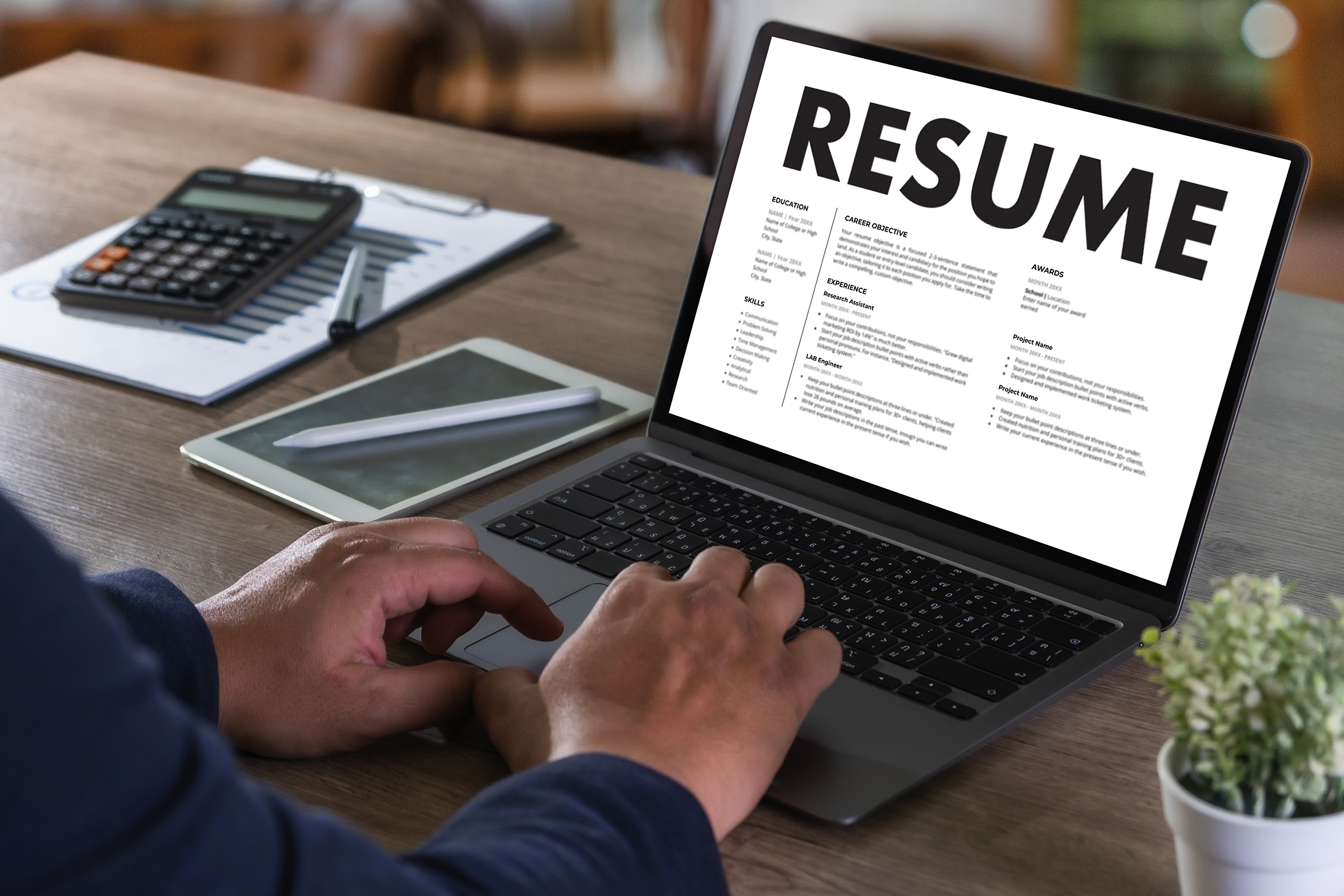
Image courtesy of one photo/Shutterstock
This article was first published in the January 2026 issue of SUCCESS® digital edition. Get your FREE copy here.