Resilience isn’t about bouncing back. It’s about building forward.
I first encountered JEFRË's work at the Lake Nona Wave Hotel, and I remember stopping mid-stride. That doesn’t happen often. It caught me off guard in the best way.
In case you aren’t familiar, JEFRË is a Filipino-American public artist whose monumental works, most notably the 55-meter-tall illuminated Victor in Manila and his large-scale installations across the Philippines and the U.S., aren’t just impressive in scale, but they’ve become defining landmarks in the cities they inhabit. Something about his art made me pause and ask a bigger question that’s stuck with me ever since: How do we celebrate artists and help them make money while they’re still alive?
That question matters because resilience isn’t just about surviving hardship. It’s about what you decide to create after life forces you to slow down.
Years ago, JEFRË suffered a heart attack. For most people, that kind of moment becomes a warning sign. A reason to retreat. Play it safe, pull back, shrink your dreams. Instead, he used it as a reset. He walked away from a traditional career path and committed fully to his vision: Creating public art that doesn’t just decorate cities but defines them.
That’s resilience.
What struck me most wasn’t just the scale of his work—though some of it literally reshapes skylines—but the risk baked into every piece. Public art is vulnerable. You don’t get to hide in a gallery. Your work stands in the open, judged by millions, embedded into the daily lives of people who didn’t ask for it—but end up needing it.
JEFRË believes art should belong to the people. His sculptures don’t just occupy space; they create identity. They give cities something to rally around, something to recognize themselves in. That takes resilience—not only to imagine something that big but also to keep showing up for it when the road is uncertain.
As an entrepreneur, I see JEFRË as both a creative force and a builder. He understands that vision without sustainability doesn’t last. I was a fan long before I was a partner—because resilience recognizes authenticity and rewards it over time.
The lesson is that resilience isn’t about returning to who you were before the setback. It’s about becoming more intentional and more aligned with your purpose.
If adversity forced you to start over today, would you build something safer—or something truer?
The people who change skylines—and lives—always choose the second option.
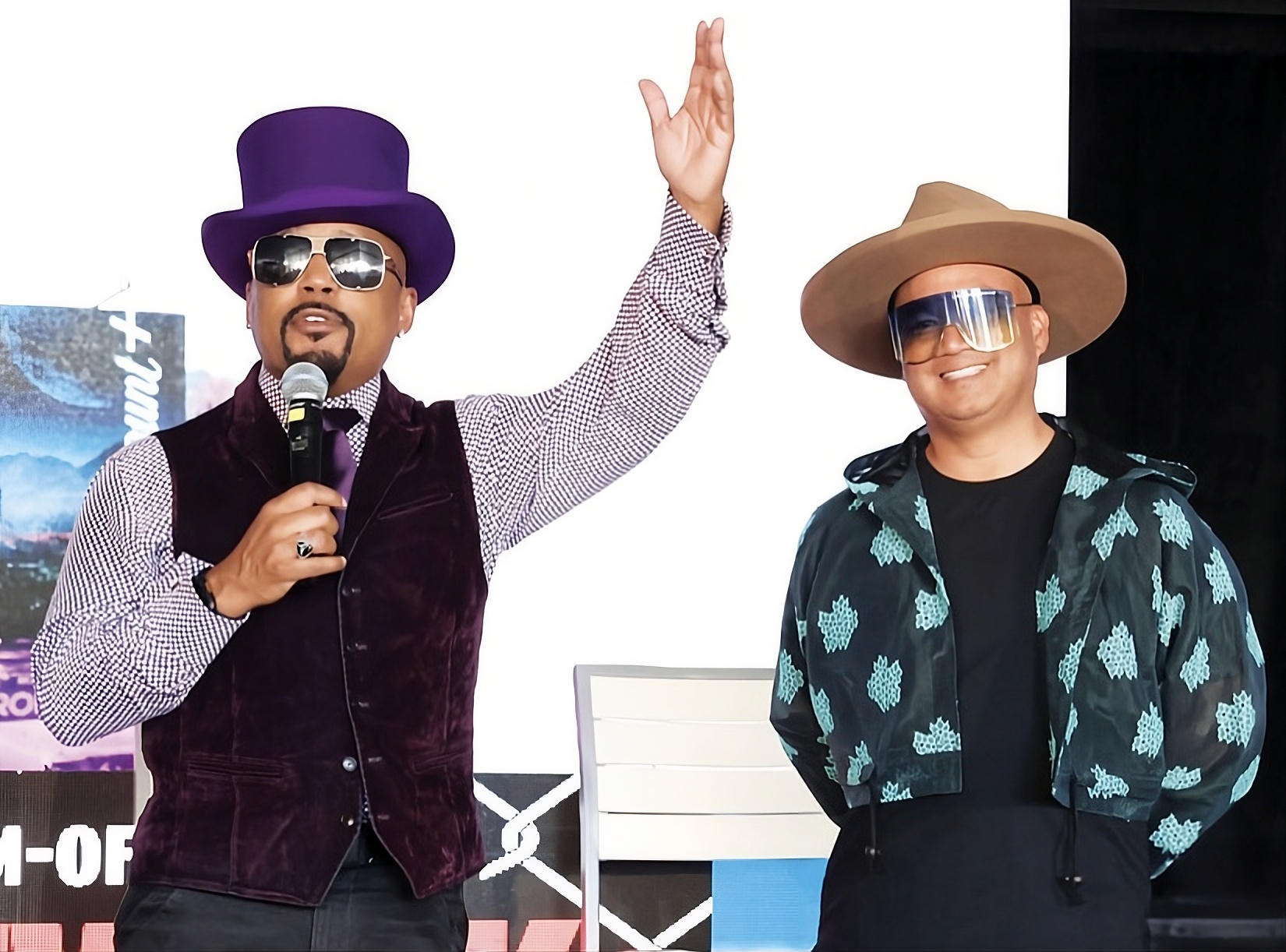
Featured image provided by Daymond John.
This article was first published in the May/June 2026 print issue of SUCCESS® magazine. Get your copy here.