
We all have those confidants who give us feedback and direction in niche areas of our lives. A geek who knows which new laptops are in your budget. A doctor who tells you to stop worrying about that spot on your back. An in-law who can introduce you to someone who knows someone. A creative who can tell you your screenplay sucks.
It’s a common enough feature of human relationships that there’s even a name for it: a personal board of advisers. On the surface, this might just sound like a fancy name for networking, but many entrepreneurs adopt a systemized approach to building their own personal board by being intentional about who makes the cut, what role they fill and how each seat contributes to your own professional and personal resilience.
One of these entrepreneurs is Lisa Holmes, who knows a thing or two about what goes into building a board: She’s served on the board of directors for the Private Directors Association’s National PRISM Conference, which helps private companies create and optimize their governance boards. Holmes also has more than 20 years of HR expertise (including at Fortune 100 companies like UnitedHealth Group and USAA), so she knows exactly how you can leverage your “human resources” to build your own personal board of advisers.
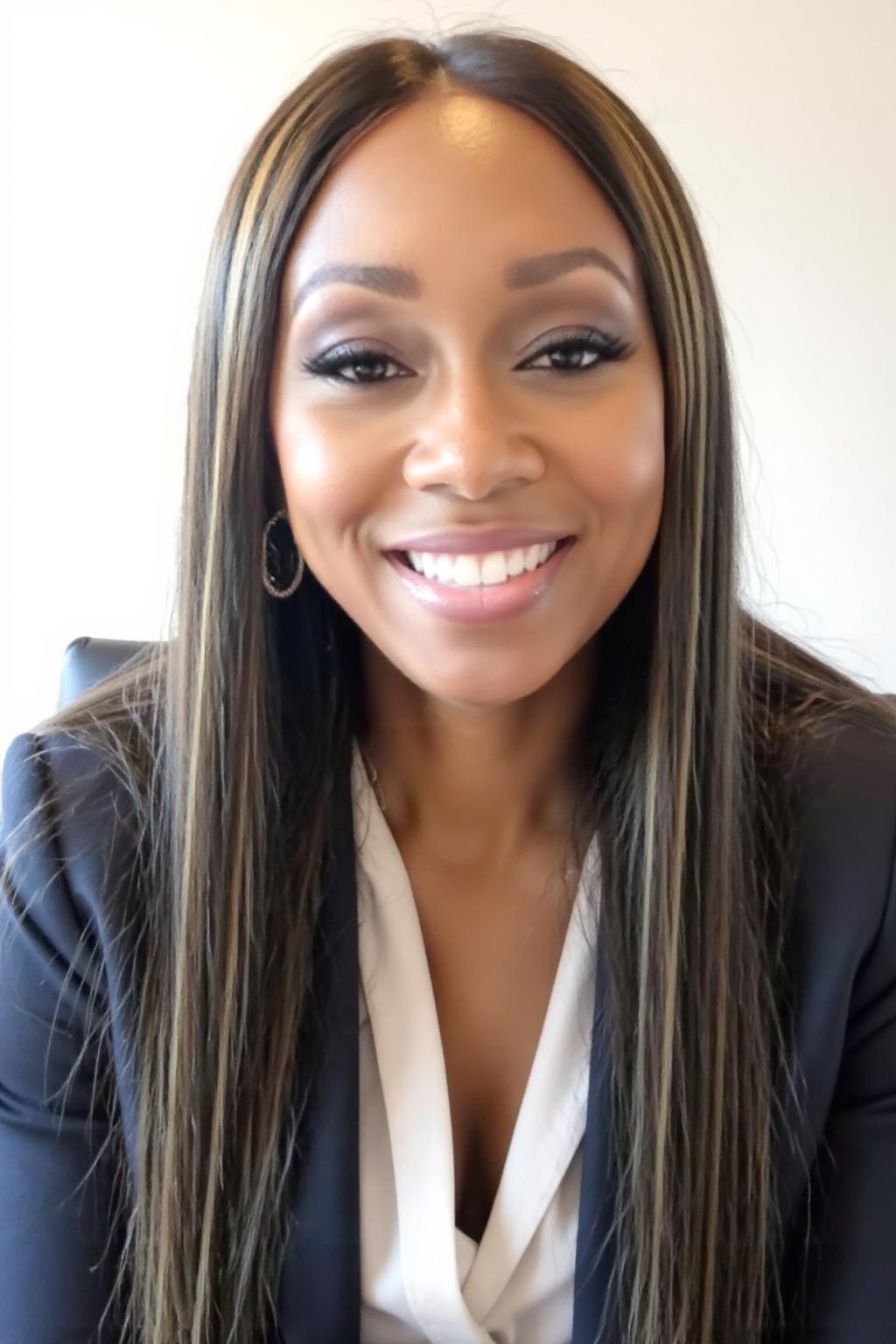
Photo courtesy of Lisa Holmes
How to Build a Personal Board of Advisers
“I’ve always looked at myself as the CEO of me,” Holmes says. Like any business, your life has goals, day-to-day responsibilities, financial considerations, organizational (and physical) health and an overall mission. No CEO is an island, of course, so a personal board of advisers (like any business’ BOD) can watch your blindside, constantly assess your capabilities and provide direction when your own judgment is off course.
Holmes’ personal board has five seats, which are all filled with “the kind of folks [who] know me intimately and professionally, who are very willing to share straight-up, no-chaser conversation with me as I continue on my career path.”
1. The Career Architect
This is the first seat because it’s a big-picture thinker, much like a board chair. They ask things like, “Where do you want to be in five years? What steps are you taking to get there?” The Career Architect is someone who thinks about your goals strategically, with an emphasis on your future. Holmes says this person should be a planner, someone who can help you identify career opportunities and position yourself appropriately within them.
On Holmes’ board, her Career Architect is a former general counsel. “She knows what my goals are, but she challenges me to not get complacent, to continue to push and find places where I do my best work,” Holmes says.
2. The Wellness Guide
“How do you maintain your mindset?” Holmes asks. “How do you maintain your physical wellness, spiritual wellness?” Every personal board of advisers should have a Wellness Guide who asks these questions. They can diagnose whether you’re flirting with burnout (which Holmes calls “occupational syndrome”) and prescribe ways to preserve energy and set boundaries.
Holmes’ Wellness Guide is an internal medicine doctor with a degree in psychiatry, but an M.D. isn’t a prerequisite for this position. Someone who cares honestly and openly about your well-being (while not dismissing your ambitions) could be just as qualified.
3. The Financial Coach
Much like a treasurer, the Financial Coach is wise about wealth. Holmes says their role is less about budgeting and more about guiding you to build your financial legacy. So while this person is able to help you file your taxes and understand profit margins (the wealth you have), the other half of their purpose (the mission-focused half, which is more important) is to help you holistically consider what you’re building wealth for.
Holmes’ Financial Coach is a CFO who is a longtime friend and colleague. She recommends that this position be someone in financial services and management who understands that your money isn’t about zeros on a paycheck, but about leaving a legacy for the people you love.
4. The Creative Mirror
Holmes says this is the seat most leaders forget to have on their personal board. The Creative Mirror should be someone from a completely different industry or walk of life, someone “who reminds [you] to stay curious, playful and open to reinvention,” Holmes says. Someone from “the outside” offers a perspective beyond what you’re used to hearing from the people you talk to and work next to every day. Ultimately, they’re an innovator.
5. The Challenger
The last (but certainly not the least) important position is the Challenger, someone “who isn’t impressed by your title, who will lovingly call you out,” Holmes says. She recommends this person be a family member or close friend who’s basically family, who can challenge your ego by virtue of love.
The Challenger might sound contradictory, but they’re also there to challenge you to push your limits and take risks. Really, they’re a blend of the other four seats of your board, with an emphasis on the real “you,” not your business. That’s why the main question they ask is, “Are you happy?”
Resilience is About Knowing How to Evolve
Holmes’ position titles are merely suggestive. They probably look different for you than for her. If the title doesn’t change over time, then the individuals who fill each role certainly will. Holmes says that’s the point.
“This is not the list that I had maybe 15 years ago. That list was different. This is just kind of based on where I am today in my career,” she says. “Resilience is rarely a solo act. It’s built on community with the right people around the table asking better questions, especially when things are hard.”
Image courtesy of Zamrznuti Tonovi/Shutterstock
This article was first published in the May/June 2026 issue of SUCCESS® magazine. Get your copy here.