

In business, standing still often means getting left behind. The most successful companies know how to evolve, whether that means redefining their products, shifting their brand identity or expanding into new markets. Each of these three companies faced a turning point that led to a powerful reinvention and lasting success.
Starbucks
First opening its doors in Seattle’s Pike Place Market in 1971, the world-renowned grab-and-go coffee chain originally only sold bags of roasted coffee beans, along with tea and international spices. No, the perfectly prepared PSLs we all know and love didn’t come until much later (2003, to be exact).
The turning point for Starbucks happened in 1982, when New Yorker Howard Schultz joined the company as director of retail operations and marketing. That same year, Starbucks also served its first cup of brewed coffee. Inspired by the coffeehouses he saw during a trip to Milan in 1983, Schultz returned to the United States with a new concept: To transform Starbucks into an espresso bar.
By 1987, Starbucks had fully reinvented itself. It began selling prepared drinks alongside its packaged beans, introduced its now-iconic green aprons and refreshed its logo to match its new identity. Starbucks quickly became a global symbol of community, connection and caffeine.

Image courtesy of AS Project/Shutterstock
Wawa
The East Coast’s beloved convenience store, Wawa, wasn’t always a convenience store. It started in 1902 as a Pennsylvania-based dairy, bottling fresh milk and delivering it to homes across the Philadelphia area. Decades later, the first Wawa Food Market opened on April 16, 1964, in Folsom, Pennsylvania. The company expanded to new locations and began offering fresh, pre-made foods, like fried chicken and hoagies. Today, Wawa has over 1,000 locations across the eastern U.S. and remains a beloved brand, all thanks to a bold pivot more than half a century ago.
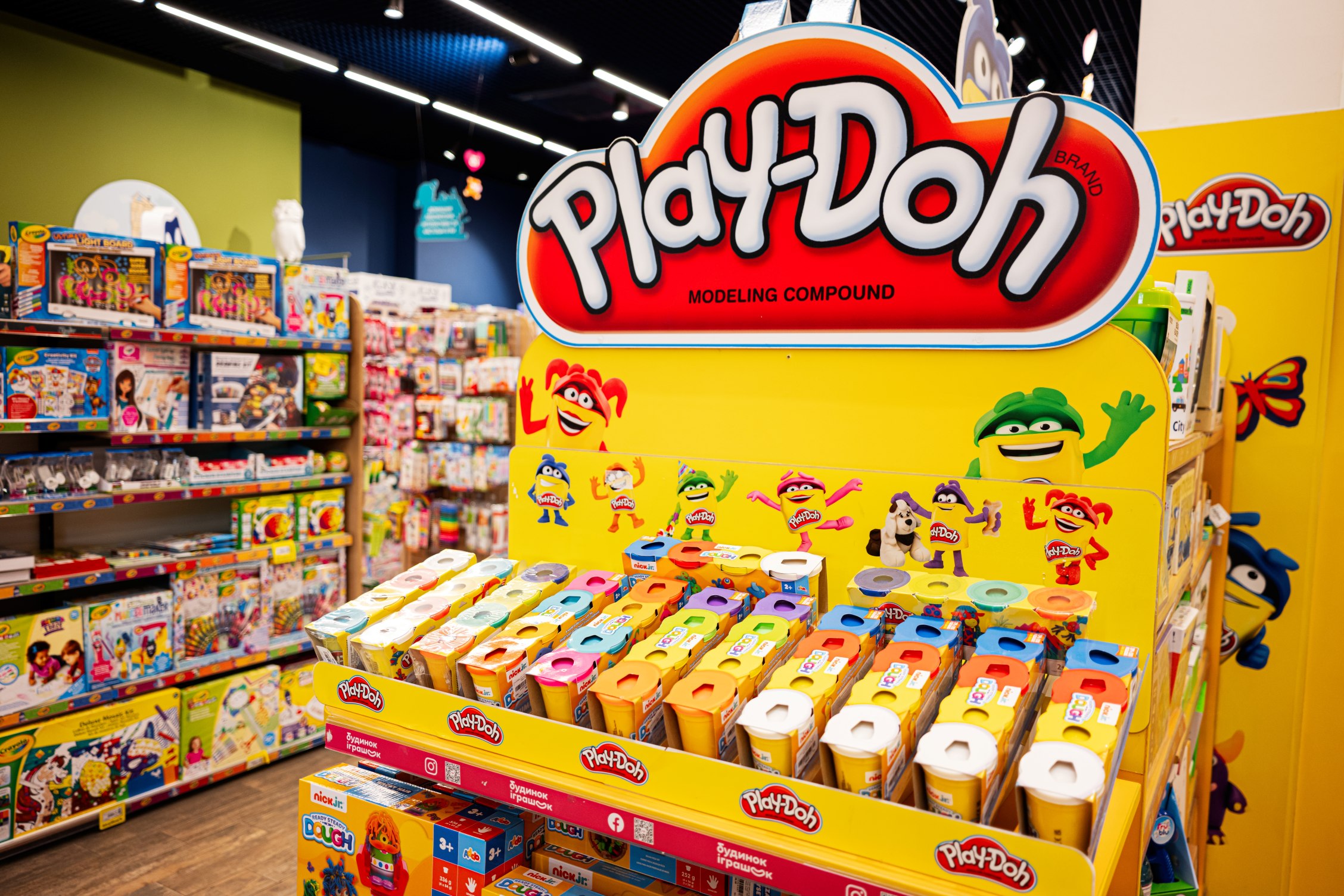
Image courtesy of Eric Glenn/Shutterstock
Play-Doh
Once upon a time, Play-Doh wasn’t a children’s toy at all. The colorful, squishy modeling putty was invented and sold as a cleaning product, used for removing soot from wallpaper. But as the way families heated their homes began to change, demand for “Kutol Products” plummeted, and the company’s future appeared to be in jeopardy.
That is, until the sister-in-law of one of the company’s leaders had the bright idea to transform the non-toxic, malleable material into a children’s craft toy. Soon after, the product was completely reimagined: The wallpaper cleaner was repackaged and sold as a fun “dough” toy for kids to form into imaginative shapes. And the product line didn’t stop at the modeling compound; accessories soon followed. Today, Play-Doh, now manufactured by Hasbro, remains one of the world’s most instantly recognizable toys.
Featured image courtesy of Starbucks
This article was first published in the January 2026 issue of SUCCESS® digital edition. Get your free copy here.