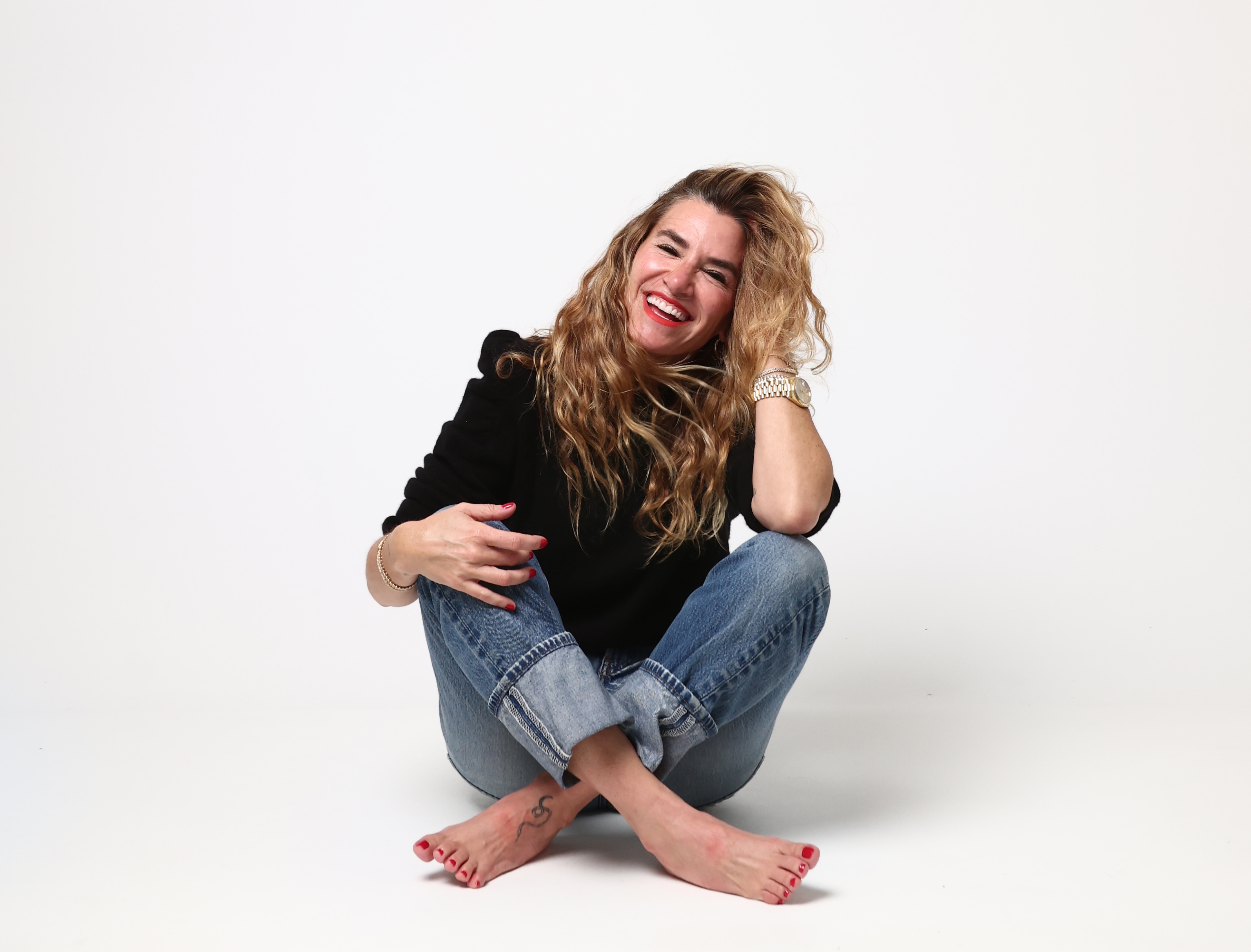
From the outside, you’d think hairstylist and Drybar founder Alli Webb had hit the jackpot when, in 2020, her Drybar product line sold to Helen of Troy for $255 million.
To the public, Webb had reached entrepreneurial heights, having been a guest on Shark Tank and the face of a beauty empire. But success didn’t insulate her from hardship. Behind the milestone were personal struggles that tested her resilience as much as her business acumen.
After selling Drybar, Webb felt like she was drifting. “People think you sell your company and your life’s great and you go live on a beach,” she says. “It’s just not that simple.”
On the surface, Drybar looked like a seamless success story. Webb invented an idea, created a flourishing business and sold it for millions. Drybar is a California-based chain of salons, recognized as a pioneer in its niche, with the slogan, “No Cuts. No Color. Just Blowouts!” It specializes in creating affordable luxury—a wash and style that can last women for several days.
Webb launched the brand in 2010 as an expansion of her mobile blowout side hustle, traveling to busy moms’ homes to give them a moment of reprieve. She realized it made more sense for clients to come to her and poured her efforts into building something bigger than herself.
At the peak of professional success, Webb was navigating some of the most difficult chapters of her life. She was unhappy in her marriage, one of her sons was struggling with addiction and her mom died within three months of a lung cancer diagnosis.
“Drybar was really successful and beloved,” Webb says. “But over here, there was all this emotional fallout.”
Grappling with a loss of identity without the daily anchor of work, Webb fell into what she calls a “deep depression,” which prompted her to write her memoir and business guide, The Messy Truth: How I Sold My Business for Millions but Almost Lost Myself. The book hit the USA Today bestseller list.
Her first book, The Drybar Guide to Good Hair for All, which was released during the brand’s rapid scaling, was a New York Times bestseller.
“Life is such a both-and,” she says. “There’s good, and there’s bad. Ups and downs. Every day is a mixed bag. I’ve had success, yes. But I’ve also had hardship, depression, divorce—just like everybody else.”
She’s continued to roll up her sleeves, starting The Messy Collective, an entrepreneurial support blog where fellow business owners can share candid lessons and insights on building their companies.
Why Did Alli Webb Stop Chasing Perfect Hair?
Like so many of us, COVID-19 changed the way Webb styled her own hair.
“I kind of lost the taste for the blowout—the straight, perfect, polished hair I’d been seeking my entire life,” Webb says.
Rather than primping to make sure every hair was in place, Webb started exploring a less rigorous method of styling. Having spent a decade bleaching her hair blonde, she stopped. She started letting her hair air-dry and embraced a rough-dry method—the foundation of her latest company, Messy.
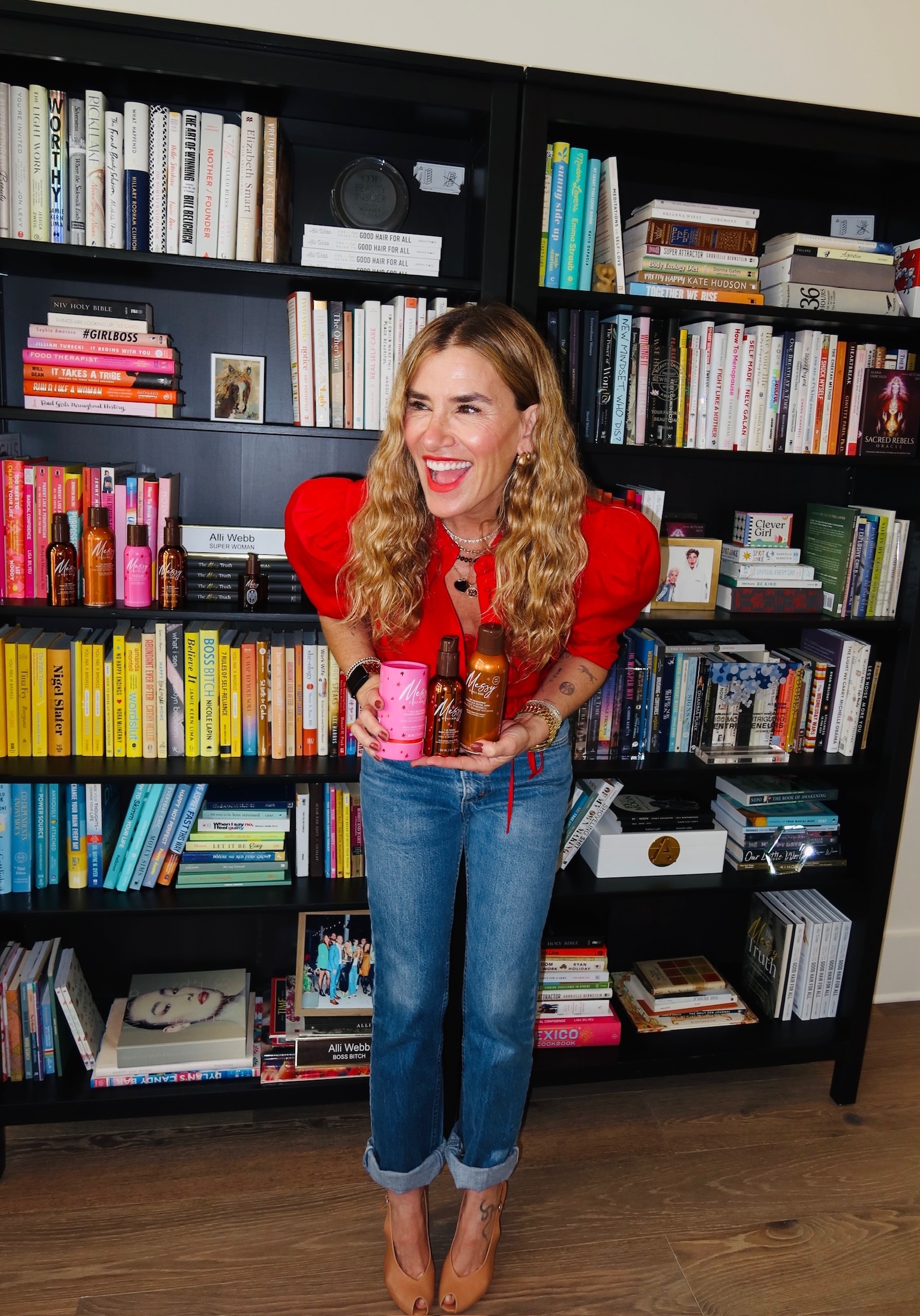
Messy products are designed to help women embrace their natural texture. From dry shampoo to leave-in mist and frizz-fighting sprays, each formula supports movement and manageability without over-styling. Webb wants people to learn how to get the hair they want with the hair they have.
Webb says beauty and confidence go hand in hand. “The big unlock for me was realizing it doesn’t have to be perfect,” she says. “You don’t have to have perfect hair to look and feel beautiful. We used to say at Drybar, ‘We’re not selling blowouts; we’re selling happiness and confidence.'”
Today, that same mission continues with Messy–helping women feel beautiful in their natural hair.
Webb’s approach with Messy is about exploration rather than overpolishing. Rather than correcting or controlling hair, the line is meant to enhance what’s already there.
Now, she says her mission is to show that hair doesn’t need to look a certain way. “Beauty is exploration–trying new things, embracing new things,” she says.
How Did Burnout Shape Alli Webb’s Approach to Business?
Webb’s been open about her struggles with her two divorces, bouts of burnout and leadership challenges. “We don’t learn from the good stuff,” she says. “We learn from the hard stuff. We learn from the mistakes.”
Messy products are sold at Sephora and via ItsMessy.com, giving Webb a platform to continue her purpose of helping women reconnect with their hair and themselves. Each product comes with its own mantra, such as “I am enough” (rough-dry style cream) or “I can begin again” (shampoo), as an added layer of helping others feel good.
How Does Alli Webb Define Success After Selling a Business?
After living in New York City during her 20s and in Los Angeles from ages 30-50, Webb says she doesn’t feel the same push to stay in rapid motion as she did before.
“I constantly had been... doing more, creating more, through the lens of more success and more challenges,” she says.
Now, success centers around peace and contentment. It’s less about tangible external aspects and more about the inner sanity.
“There are two lanes of success for me now,” she says. “One is peace and feeling really good in my own skin. The other is building Messy and making an impact–helping women fall in love with their hair again and embrace their God-given texture.”
For Webb, the two lanes are connected. The confidence she once helped women find through a great blowout now comes from encouraging them to embrace what’s natural.
It’s no longer a cut-and-dry answer. “I measure success quite differently now than I would have 10 years ago,” she says.
Webb is building from a place of authenticity to help women feel self-assured in their own hair and skin. That shift–from perfection to acceptance–defines both her personal growth and the evolution of her brand.
Images courtesy of Alli Webb
This article was first published in the September/October 2026 issue of SUCCESS® magazine. Get your copy here.