On March 31, one of the most closely watched AI companies in the world accidentally handed its competitors a free engineering education.
Anthropic, the safety-focused AI lab valued at roughly $61 billion and preparing for an IPO, accidentally shipped the entire internal source code of Claude Code, its flagship developer tool, inside a routine software update. A single misconfigured debug file meant that anyone who updated the package that morning could download 512,000 lines of code, across nearly 1,900 files, detailing exactly how Claude Code works, what it’s building toward and what internal engineering problems the team is still fighting.
Within hours, the codebase had been mirrored across GitHub and forked more than 41,000 times. By the time Anthropic patched the package and started issuing takedown notices, the leak had already disseminated to the masses. It was, as Axios reported, “the second time in just over a year” the same tool had exposed itself this way, and the second significant data blunder in a single week for Anthropic, following a separate accidental exposure of draft documents about an upcoming model days earlier.
Anthropic’s response was quick and clean: “This was a release packaging issue caused by human error, not a security breach,” a spokesperson said. No customer data or credentials were involved.
But here’s the thing: The lesson in this story isn’t about cybersecurity. It’s about what happens when you build fast at the frontier—and what every leader can take from it.
What Actually Happened
The technical cause of the leak is almost embarrassingly mundane. Claude Code is built on Bun, a JavaScript runtime that Anthropic acquired last year. Bun generates source map files by default during the build process—these are debugging artifacts that link compressed production code back to readable source. Someone at Anthropic forgot to add the source map file to the exclusion list before publishing the package.
One file. One omission. Half a million lines of code exposed.
As software engineer Gabriel Anhaia wrote in a postmortem analysis that circulated widely: “A single misconfigured .npmignore or files field in package.json can expose everything.” The Register noted that a bug in Bun, causing source maps to ship in production, had actually been filed 20 days before the leak and was still open when it triggered the exposure. The gap between knowing a risk exists and closing it is where most operational incidents live.
This is not a story about incompetence. It’s a story about the kind of mistake that any team moving fast and shipping constantly is vulnerable to, and the question of what systems, not what individuals, catch it before it reaches production.
Your Build Pipeline Is a Competitive Vulnerability
For the modern builder, the first takeaway is concrete: Your release process is a surface area.
Every time your product ships, you’re making choices about what information goes out the door alongside it. Most of those choices are made implicitly by people focused on shipping.
Anthropic is a world-class technical organization preparing for a public offering, with $19 billion in annualized revenue and a product that had already been partially reverse-engineered once before. And still, the pipeline let a source map through.
The practical implication: Pipeline audits belong in your operational calendar the same way legal reviews and security scans do. Not because disasters are likely, but because the cost of a single miss—in competitive intelligence, in IP exposure, in reputational timing—can be overwhelming. VentureBeat called the leak “a strategic hemorrhage of intellectual property” for a company whose Claude Code tool was generating $2.5 billion in annualized revenue, with competitors actively trying to cut into that position.
The Irony Nobody Can Stop Talking About
Here’s the detail that made this story land harder than most.
In December 2025, Anthropic’s head of Claude Code, Boris Cherny, posted that over the prior 30 days, 100% of his contributions to Claude Code had been written by Claude Code itself—the AI writing its own codebase. By the time of the leak, reliance on the tool across the team had been rising steadily.
Gizmodo noted that it was “possible this situation was an incident of vibe coding too close to the sun.” The phrase “vibe coding”—building quickly and intuitively with AI assistance rather than line-by-line deliberation—has been championed by some of the most influential voices in tech as the future of software development. The Claude Code leak offers a precise, real-world illustration of its principal risk: AI-assisted velocity is not the same as AI-assisted oversight.
This is not an argument against using AI in your build process. The case for it remains overwhelming. It is an argument for being clear on where AI delegation ends, and human accountability begins—and making sure that boundary is explicit, not assumed.
The code was AI-written. The release checklist was human-managed. The source map slipped through the human-managed part.
How You Handle the Mistake Is the Story That Lasts
Reputations are not built on whether you make mistakes. They are built on what you do when you make them.
Anthropic’s handling of this was instructive. The statement, issued across multiple media outlets, was fast, specific and appropriately scoped: human error, not a breach, no customer data at risk, measures underway. No spin, no deflection, no overclaiming. The company issued DMCA takedowns where it could while acknowledging that the leak had already spread beyond its control.
What happened in the 48 hours after the statement is equally worth noting. Developer sentiment, which had been running cold after Anthropic reportedly sent cease-and-desist letters to a popular third-party tool the previous week, shifted. As one tech community analysis put it, developers went from “Anthropic sucks” to examining the road map in the leaked code and expressing genuine excitement about what the company is building. A mistake, handled cleanly, became an unexpected moment of transparency.
The mistake you’re remembered for is rarely the mistake itself. It’s how visibly, quickly and honestly you reckon with it.
The companies building the most ambitious things in the world are going to make operational mistakes. The ones that survive them are the ones that treat process as seriously as vision—and know that a fast, honest response is still the best brand strategy available.
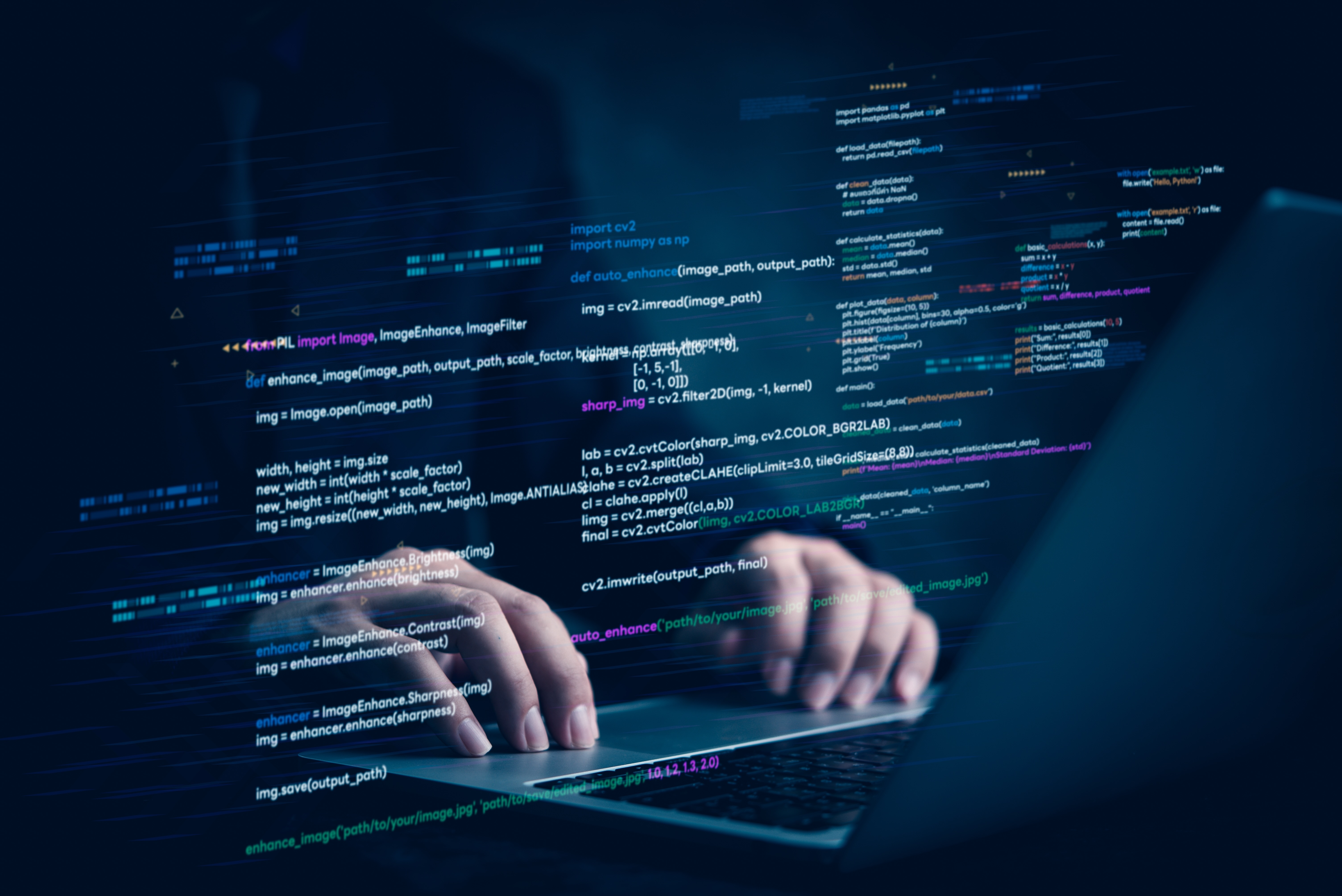
Featured image from khunkornStudio/Shutterstock