
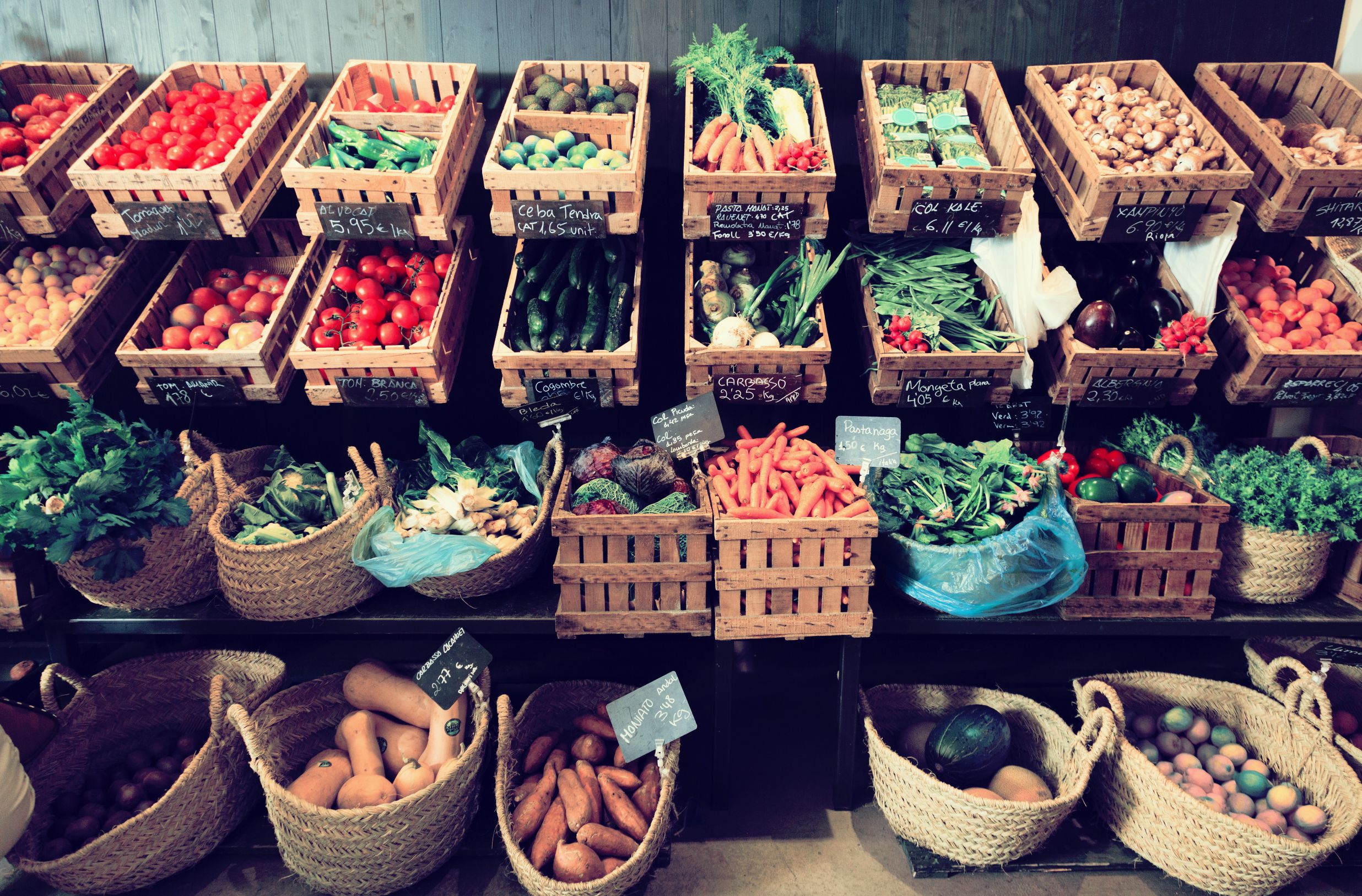
Choosing to eat more sustainably is one of the best things you can do for your body and the planet, but knowing where to start can be tricky.
For Jeanne Hendricks, a registered dietitian nutritionist, board-certified sports dietitian and associate of NY Nutrition Group, it’s all about building healthier habits you can maintain over time and celebrating wins along the way. “Anytime we make any type of choice, we want to be able to sustain that choice because that’s when real impact happens,” she says.
Over the past 15 years, Hendricks has guided hundreds of clients in developing sustainable habits that not only benefit the environment but also align with their personal health, wellness and sports performance goals.
Whole Foods Have a Lasting Impact on Sustainability
As a first step toward eating more sustainably, Hendricks suggests buying more whole foods—fruits, vegetables, nuts, seeds and legumes, to name a few—and incorporating these into daily meals. Not only will you reap the health benefits of eating these foods, but you will be contributing to their positive ripple effect on sustainability.
As Hendricks explains, purchasing more whole foods means that you’re eating more plants, and plant-based foods require less land and fewer resources to produce than livestock. “It takes a lot of land, it takes a lot of water to be able to sustain the amount of livestock we need to feed the people just in America,” Hendricks says. Plant-based production also results in lower methane and greenhouse gas emissions.
Whole foods also often utilize more sustainable packaging. “A lot of them come in their own biodegradable, compostable packaging, so you’re not creating so much packaging when you’re choosing those foods,” Hendricks notes. Legumes, nuts and seeds are often available in bulk, and shoppers can easily carry them in a paper bag and store them in reusable containers at home. “You’re having an impact on the amount of waste you’re producing by leaning into that as well,” she adds.
How to Read Food Labels & Which Ones to Trust
Deciphering food labels is difficult for many Americans, and with vague terms and unfamiliar ingredients becoming the norm, it’s no wonder. Labels reading “all natural” and “no sugar added” may sound healthy, but they’re mostly marketing jargon.
When in doubt, Hendricks suggests opting for foods labeled as “organic” because these items meet very strict standards. “The organic seal is definitely one of those ones you can really trust and lean into,” Hendricks says. She adds that organic foods are also not genetically modified and do not use synthetic pesticides.
The same applies when shopping for meat. Organic meat comes from animals that are fed 100% organic feed and allowed to graze. If organic options aren’t available, Hendricks recommends choosing free-range eggs, grass-fed beef or wild-caught fish, which tend to be more sustainable alternatives.
Of course, some items may require a closer look at the ingredients. Using salad dressing as an example, Hendricks recommends choosing the option with the fewest ingredients. This is typically the healthier choice.
Start Small With Meatless Mondays & Plant-Based Swaps
Taking an all-or-nothing approach can feel too restrictive and stall or completely halt progress on your mission to eat more sustainably. Hendricks finds that simple mindset shifts can make a big difference in how you view sustainable eating.
Instead, Hendricks suggests starting with one thing—like swapping cow’s milk with a plant-based alternative, embracing “meatless Mondays” or committing to one plant-based meal a day—and going from there. “Over time, you’ll have a bigger change on your health and also the environment because you’ll do it longer,” she adds.
Why Flexibility Beats All-or-Nothing Eating
For long-term success, embracing the “gray area” and allowing flexibility in your diet is key. Eating something less healthy for dinner doesn’t undo your healthy choices earlier in the day, and eating a few organic foods is better than not eating any at all. “Take a deep breath, choose what’s most important to you and move forward,” she shares.
Featured image courtesy of Caftor/Shutterstock
This article was first published in the March 2025 issue of SUCCESS® digital edition. Get your FREE copy here.