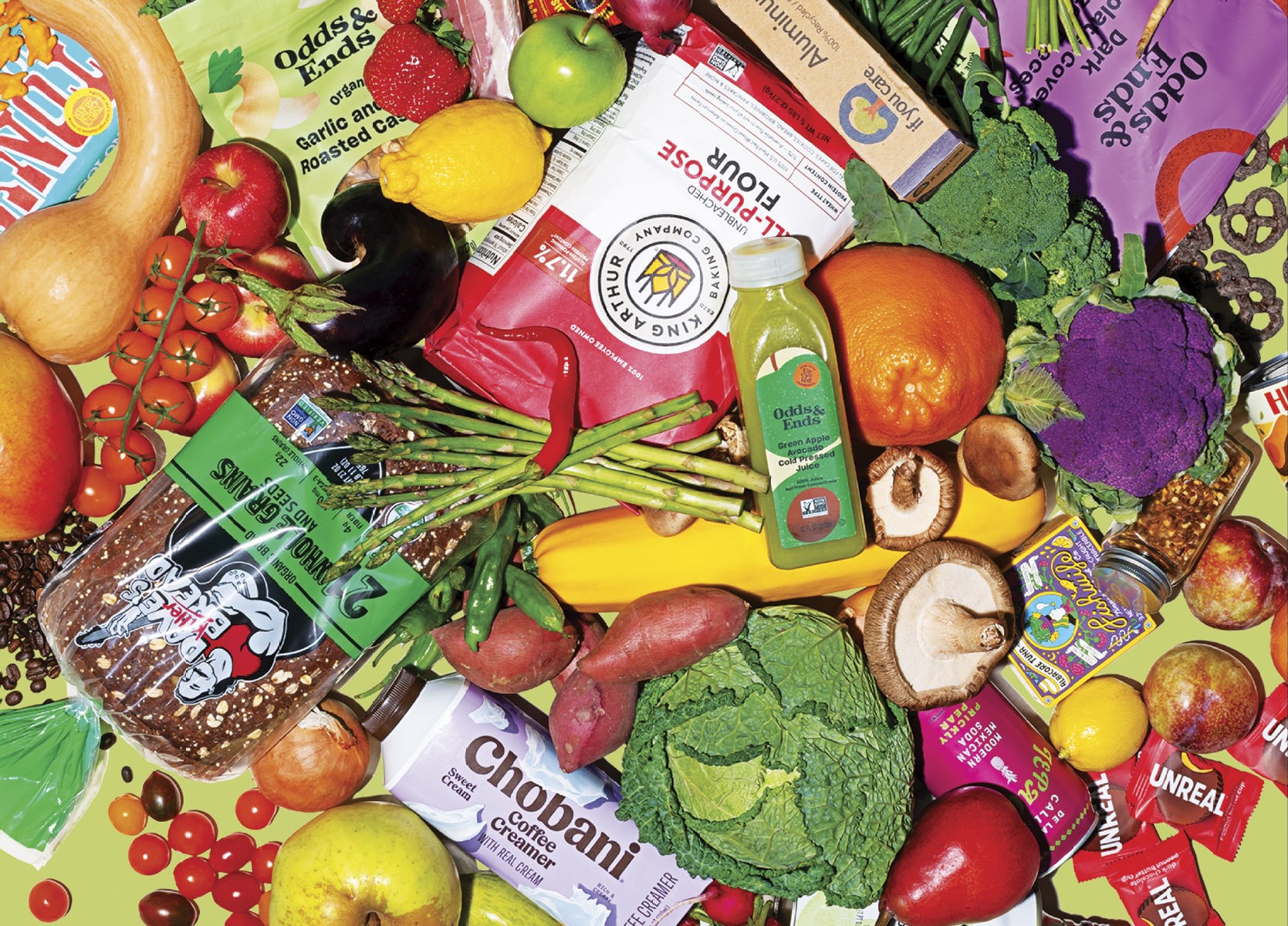
Most of us rarely give much thought to where our food comes from. We don’t ponder the hurdles brands have to jump over when they want to divert from standard sourcing practices. When a brand wants to be certified organic or prioritize regenerative farming, the average person has no clue how much it costs or how much supply chain planning is required. Many of us open a bag of chips without wondering how they got in the bag or where the ingredients came from.
For those who are more mindful of how purchasing power can shape our food system, here are some brands working to sustainably create—or repurpose—delicious food and beverages.
Drink It Up
Nicole Dawes grew up on the counter of her mom’s health food store while watching her dad build the Cape Cod Potato Chip empire. She grew up straddling the line between health and junk food, dreaming of a life where the two would be combined in harmonious alignment. In 2003, she realized her dream by founding the snack brand, Late July, recreating healthy and organic versions of the snacks she longed for as a kid.
Committed to taste and ingredients, Late July was one of the first food brands to launch with the USDA Certified Organic seal, which came out in 2002.
When Dawes sold Late July in 2018, she started her beverage brand, Nixie, almost immediately.
That’s because she noticed a huge gap in the market when partnering her Late July tortilla chips with drink brands: The beverage aisle had not progressed along with the rest of the supermarket in terms of healthy options.
“It was just sugar, plastic and no organic,” she recalls. “Lots of artificial sweeteners.... So when we were selling Late July..., I’m thinking: We could make a difference in beverage, too. We can do basically what we did at Late July for a category that desperately needs somebody to care about the things we care about."
No stranger to disrupting the food industry—even in wildly competitive categories—Dawes created organic zero-sugar sodas that are non-GMO, low-sodium and have no artificial sweeteners. Her sodas and sparkling waters are in recyclable cans with a BPA-free liner and use reverse osmosis filtration—which can remove harmful substances, such as pesticides, lead, arsenic and chemicals like PFAS—from untreated water.
Other beverage companies leading the way in sustainability include alcohol brand Boochcraft. As of 2024, they’ve diverted over 5.4 million pounds of food waste from landfills by composting fruit scraps left from juicing. In 2023, they installed solar panels in their main warehouse, producing over 173 MWh of energy. By 2024, they’d installed solar panels in their main brewery that produce up to 520 MWh of energy each year—enough to run a refrigerator for 160 years.
Drinking and eating sustainably go hand in hand, and food-based companies like the ones below are leading the way when it comes to using their resources wisely.
Eat It Up
It’s not a stretch to go from an ice cream empire whose signature products are steeped in cream and fruit to a fiber-forward snack company whose products get their power from fruit. Jeni Britton, founder of Jeni’s Splendid Ice Creams, says what she created in her new company, Floura, is “not your granddad’s fiber.” Her Fruit Crush Bars are made with produce trimmings destined for the landfill—mango skins, pineapple and watermelon rinds, and apple cores—which also happen to be bursting with prebiotic fiber beneficial to the gut. Floura’s mission is to divert 100 million pounds of produce trimmings from the landfill each year while supporting the microbiome, creating a win-win for our bodies and the planet.
In 2018, when chef and entrepreneur Camilla Marcus opened west-bourne, New York’s first certified zero-waste restaurant, she committed to keeping food waste out of landfills. But when the pandemic forced her to close her business, she pivoted to an online brand built on similar principles. She sources her products from farms using environmentally sound regenerative practices and pays attention to the packaging she uses. Her pancake and waffle mix is packaged in a compostable bag, and her organic avocado oils are in recyclable bottles with lids made of compostable sugarcane.
SHIA restaurant in Washington, D.C., is so serious about eliminating plastic that they don’t even use brooms, trash cans or scissors if they contain plastic. Owner and chef Edward Lee and his team identified 31 common plastic-laden items—squeeze bottles, containers and disposable gloves—and replaced them with glass, ceramic and stainless steel. In lieu of laminated menus, they make pulp from old invoices and paper to create recycled menus. In a seven-month period, the restaurant staff prevented close to 0.35 metric tons of plastic waste from being sent to landfills.
The Impact of Upcycling
About 30-40% of the total U.S. food supply ends up in landfills, according to the USDA. That equates to 133 billion pounds of food. Blemished, discolored or misshapen produce; end cuts of fish; items with outdated packaging; or even seeds or pits taken out of fruits or olives all typically get tossed. Companies like Misfits Market sell items otherwise destined for the landfill, and many food brands, including those in this story, are creating new products from rescued ingredients through upcycling.
The production of Atomo espresso, which is made from upcycled plant parts like date pits instead of coffee beans, uses 83% fewer carbon emissions and 70% less farmland compared with conventionally grown coffee. And the company claims to have the largest date upcycling facility in the world, housed in California’s Coachella Valley.
Fun fact: 10 pounds of milk produce one pound of cheese. But no one talks about the liquid, or whey, left behind from that process. Only a small amount of whey is used to make other food products, which leaves billions of pounds of it sent into the waste stream. Wheyward Spirit partners with U.S. dairies to make their 100% whey-based spirits, upcycling a valuable resource that would otherwise be discarded.
Food for Thought
Many companies are working to change our food system by changing their ingredients and sourcing practices, and reading labels is a good way to find the brands you want to support, so you can be a part of the impact.
“The whole reason I’m doing this is because I care about the future of food,” Dawes says. “I feel like we have such an obligation to create the kind of future that we want. And as far as we’ve come, we’re not even close.... As new brands emerge and people start companies, I just want everyone to... [think] about what kind of products they want to make and understand why it’s so important.”
Three Ways to Be More Sustainable
1. Start Small at the Store
Real change is not about changing your entire way of eating, Nicole Dawes says. It’s about making one choice at a time. “Next time you go to the grocery store, try one product that’s certified organic that you haven’t bought before,” she suggests. “You don’t have to change everything about the way you shop. But maybe try one healthier organic product and take it from there.”
2. Cook with Scraps
Upcycle your own food scraps by reading zero-waste cookbooks like PlantYou: Scrappy Cooking by Carleigh Bodrug, The Zero-Waste Chef by Anne Marie Bonneau or My Regenerative Kitchen by Camilla Marcus.
3. Rescue Surplus Meals
Download the Too Good To Go app, where restaurants that have food left at the end of the day sell their surplus for half off or less.
Featured image provided courtesy of Misfits
This article was first published in the May/June 2026 issue of SUCCESS® magazine. Get your copy here.