No matter the industry or office size, one truth holds steady: Communication is the heartbeat of a healthy workplace. When conversation flows openly and effectively, trust grows, relationships strengthen and employees feel like they belong—a combination that sparks job satisfaction, productivity and a stronger culture overall. Clear communication also helps teams set expectations, solve problems before they escalate and work toward shared goals with confidence.
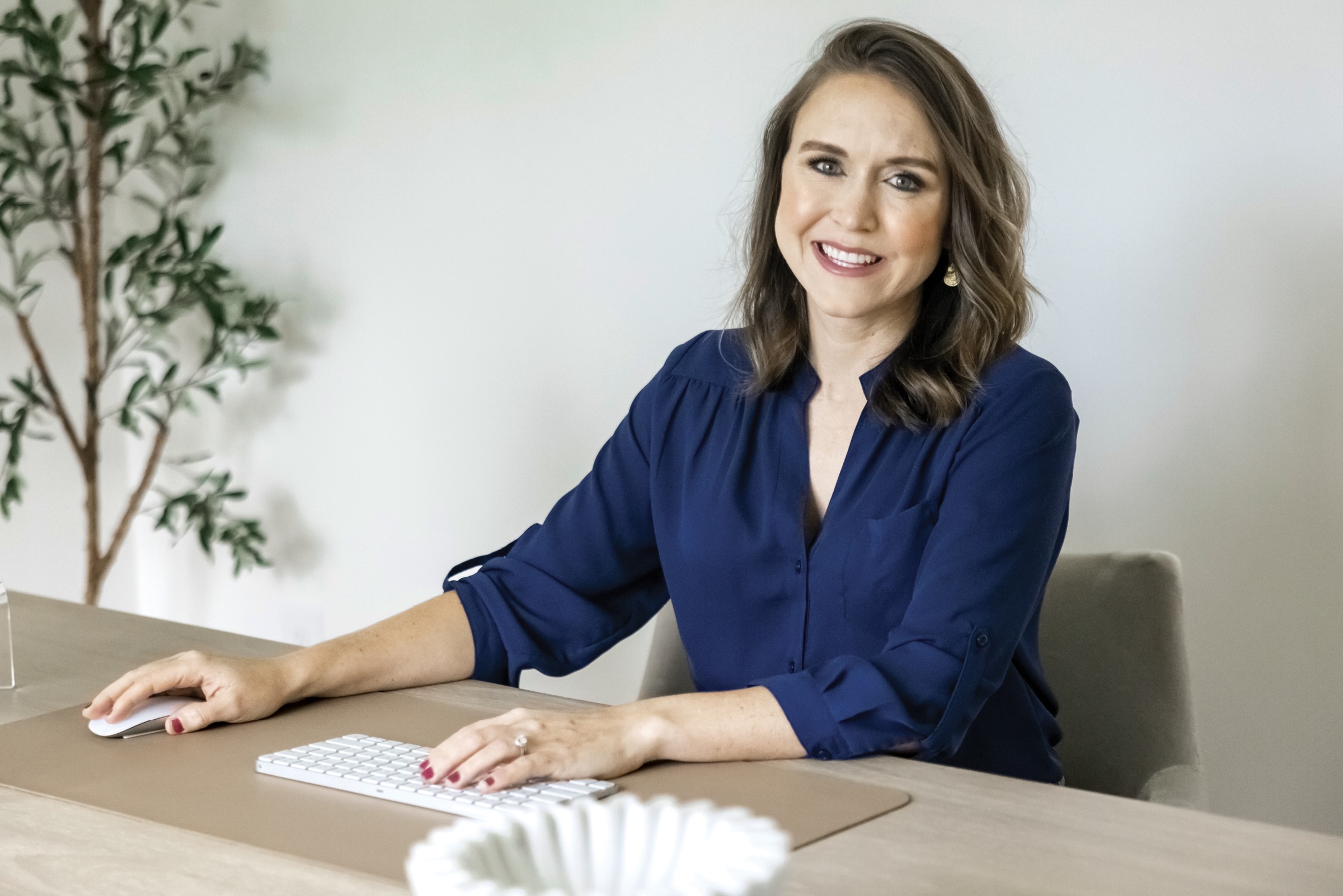
That’s the belief driving Kara Kirby, founder of Insights Leadership Group. The Raleigh, North Carolina-based consultant has built her career on helping leaders and teams transform struggling workplaces into thriving ones—one good conversation at a time.
Conversations Build Trust & Relationships
“Those really amazing relationships you have, whether it’s at work or in your personal life, the reason why those relationships are so great is usually because of the quality of conversations that are behind them,” says Kirby, referencing insight she gleaned from Fierce Conversations by Fierce, Inc. CEO Susan Scott.
In Kirby’s eyes, self-awareness, conversation and positive relationships are deeply intertwined and are the cornerstones of healthy workplace cultures. Self-awareness enhances the quality of conversation, which in turn builds and deepens relationships (or denigrates them). Feedback from those relationships acts as a mirror, offering insights that further increase one’s self-awareness.
While the idea may sound simple, the reality is that human interactions are complex, which is why so many professionals struggle to truly thrive at work. Insights Leadership Group bridges that gap. Through a mix of collaborative assessments and practical, tried-and-true strategies, Kirby and her team help leaders and employees find common ground. The work often begins with the essential step of learning how to better understand one another’s communication styles and core values.
“I always say organizational development is the branch between business and psychology,” she says. “And at the end of the day, business is just people doing stuff with people.”
As a college grad with a psychology degree, Kirby’s desire to help individuals better understand one another in the workplace inspired her to pursue a master’s degree in organizational development. “I immediately went to grad school, and it just opened my eyes to this whole field of self-awareness and leadership development and team development and how organizations can be healthy instead of dysfunctional,” she says.
Kirby first put her knowledge to work in an unexpected setting: car dealerships looking to launch in-house tire sales, a service they had typically sent customers elsewhere for. Her challenge was to win over skeptical sales representatives and guide them through the shift. To Kirby, helping the employees embrace the new strategy meant empowering them to speak up and take part in the decision-making process.
“You can’t force a decision on people. It has to be their idea,” she says. “I would go in and be like, ‘Hey, you guys are the experts. Let’s come up with ideas of what you think can turn this business around.' I would have Post-it notes; we would do design-thinking workshops—and all of a sudden, they would start selling all these tires because we involved them in the system.”
But helping car dealerships navigate change was just the beginning. Kirby took her expertise to Ultimate Software, a human capital management software company where she was just the right fit for “healthy workplace culture.” “Their tagline was ‘People first,' and they actually meant it,” she says.
In 2021, Kirby started Insights Leadership Group. The leap was fueled by her growing list of contacts seeking the leadership education and team effectiveness workshops she offered through Ultimate Software. Ultimately, though, she wanted to help other businesses build a culture centered on prioritizing the needs and well-being of their employees, something she felt lucky to experience during her 15-year corporate career.
Diagnosing Workplace Health
When it comes to putting her philosophies into practice, Kirby starts by diagnosing the health of whatever team she’s working with. For example, a lot of clients call her saying that no one at their organization gives feedback, meetings are quiet, and the boss does all the talking. “So if anyone comes to me and they need more collaboration or they need feedback, those are all just saying that conversation, and therefore relationships, need improving,” she says.
To improve communication between employees, Kirby says she first likes to use an assessment to gain insight into individuals’ self-awareness and their perspective on the world. “A lot of times I use an assessment,” she says. “But honestly, it’s just anything to get people into that mindset where they understand that the way that they see the world is different from the person next to them.”
In another case, Kirby says a company wanted their leaders to partake in ideological debate; what many don’t realize is the result of having good conversations and establishing strong relationships. But instead, they just talked at each other instead of talking with one another. So she gave them an assessment that urged the participants to talk about their perspectives, how they saw the world, and their values and where they came from. “And from that point forward, they were able to have such productive conversations,” Kirby says. “Sometimes that light switch needs to go off where they understand that they need to take a step back.”
The Foundation of a Positive Workplace
Whether the task is helping car dealership employees expand their business or boosting the exchange of ideas in an office, the heart of Kirby’s work remains the same. She helps individuals better understand themselves and other human beings and teaches them how to succeed together—the foundation of a positive workplace.
“Human beings, if left to their own devices, are messy,” she says. “They do not know how to work with each other. But if you give them a little bit of education and a little bit of guardrails, then they’re fine.”
Expand Your Knowledge
Want to have better conversations at work? Kirby recommends these tried-and-true books.
Fierce Conversations by Susan Scott
Uncover the tools and models for improving workplace relationships.
The Culture Map by Erin Meyer
Learn vital insights for working effectively and thoughtfully with counterparts from different cultures and backgrounds.
Crucial Conversations by Kerry Patterson, Joseph Grenny, Ron McMillan and Al Switzler
Pick up insights on how to navigate difficult conversations and be more persuasive.
Featured image ©Modern Grace LLC/Courtesy of Kara Kirby
This article was first published in the March/April 2026 issue of SUCCESS® magazine. Get your copy here.