I’ve been around a lot of “technology leaders” in my life—people who can talk for hours about artificial intelligence, dashboards, digital transformation and other terms I can’t even pretend to know. And listen, I respect it.
But from what I’ve seen, the leaders who actually move a company forward understand something most people miss: Technology isn’t the strategy. Relationships are. And tech is just the amplifier.
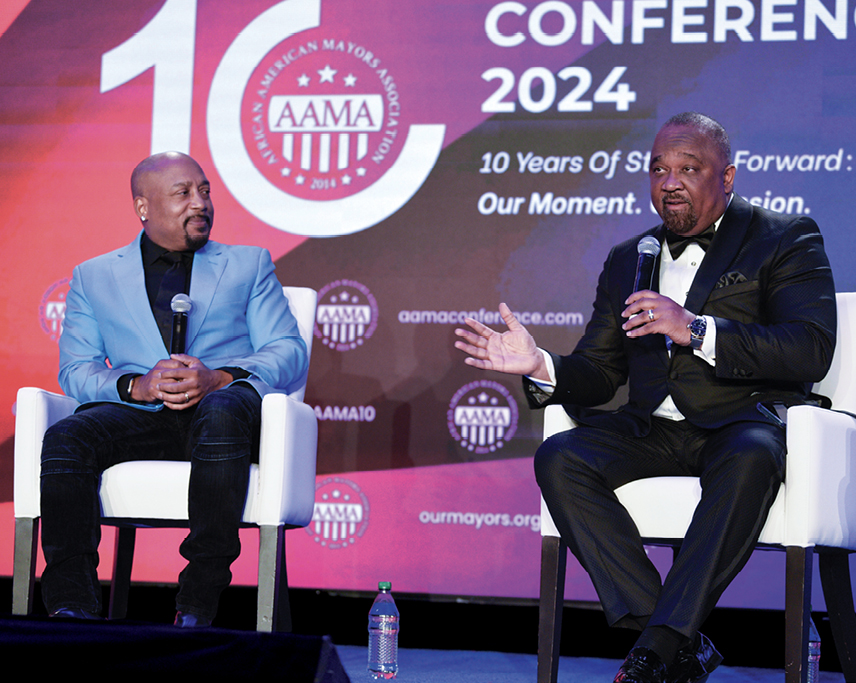
That’s why my friend Virgil Miller stands out.
Virgil is the president of Aflac Incorporated and Aflac U.S., helping lead a large-scale business. He’s responsible for millions of policyholders, thousands of employees and an army of agents out in the field. When you’re operating at that level, you can’t test-and-hope. Every change touches real people. Real families. Real trust.
What makes Virgil different is where he came from.
He didn’t start on the 40th floor with a corner office. He started in customer service. And when you’ve sat in the seat where customers are frustrated, and employees feel unheard, you don’t treat innovation like a shiny object. You treat it like a responsibility.
People love to talk about digital transformation like it’s a software rollout. Virgil pushes it toward what actually changes outcomes: clarity, trust and follow-through. You can measure fancy KPIs, streamline billing, modernize a call center, build better tools for agents, but none of it sticks if the handoffs between people are broken.
Here’s the truth most companies don’t want to admit: The best tech stack in the world can’t fix a people problem.
Virgil is human-first. He believes we can learn from one another, but only after we understand one another. That’s not a quote for a motivational poster. That’s an operating principle. He listens to the customer, then brings that same discipline inside the building because culture is the operating system. Tools don’t build culture. Culture tells tools what to do.
And when AI and automation create fear—like “Am I still going to be relevant?”—Virgil doesn’t just deploy technology. He builds belief. He creates pathways. He invests in people so the future doesn’t happen to them—it happens with them.
So, here’s my challenge to you: Before you go shopping for the next tool, upgrade your relationships first.
AI and great technology will continue to do tasks that they’re great at (and will get even better every day), but humans need to do the things that we’re uniquely great at. Use these tools to build empathy, trust and compassionate guidance.
Move with purpose, and let technology do what it does best: scale what you already built.
This column was first published in the July/August 2026 issue of SUCCESS® magazine. Get your copy here.