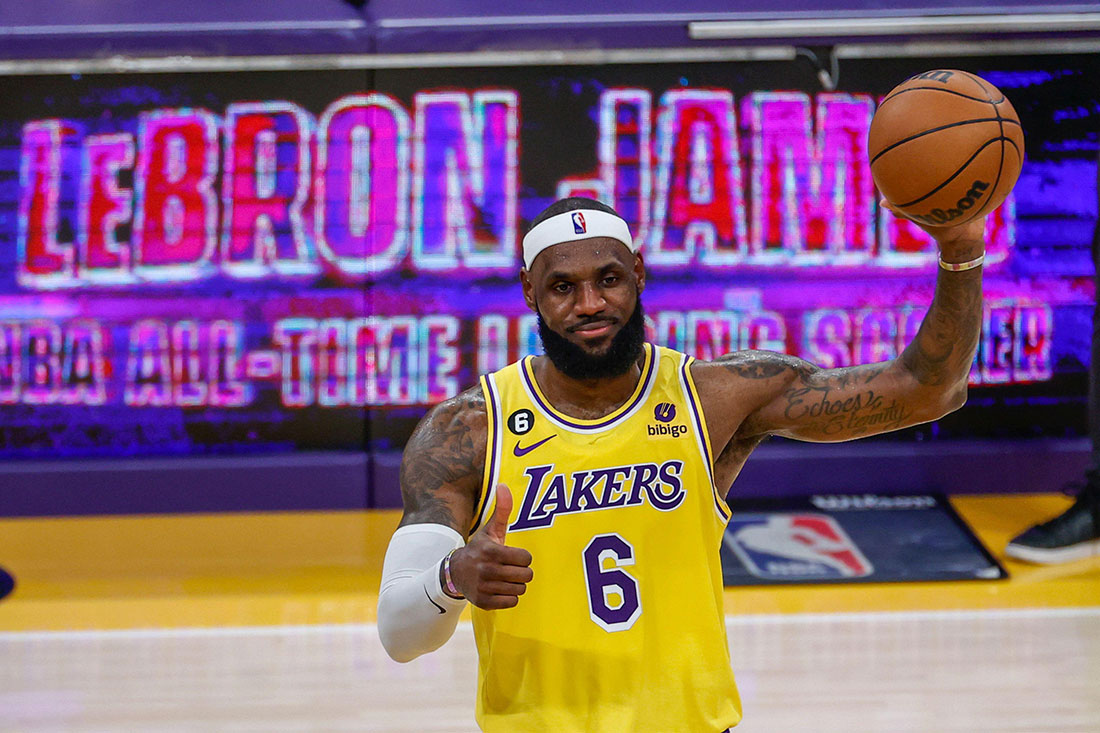

There are five players in action on a basketball team and 11 per side on the football gridiron. Rules dictate the size of a sports team so that the competition is even, but staff size isn’t set in stone in business, where the optimal number of team members is a hotly debated topic.
When you’re charged with assembling a high-performing team to solve a problem or create a new product, is bigger really better? Authors Rich Karlgaard and Michael S. Malone say the answer is… it depends.
In Team Genius: The New Science of High-Performing Organizations, they explore the numbers game and explain the surprising correlations between success and team size. In the 1980s, British management theorist Meredith Belbin, Ph.D., concluded that small teams made up of four to six members perform best. But Karlgaard and Malone suggest otherwise.
“Most of the successful small teams we encounter… range in size from five to nine members,” a number small enough to have “deeply human” roots, they write. Archaeologists estimate that our earliest hunting parties often fell into that range. And then there’s the human brain itself. The authors cite psychologist George Miller who extolled “the magical number seven, plus or minus two,” because our short-term memories are “capable of capturing and briefly holding between five and nine items of information.”
by Richard Karlgaard and Michael S. Malone
July; HarperBusiness; $27.99