
On Saturday morning, New York Governor Kathy Hochul delivered a sentence that could make every leader in America uncomfortable.
“It’s impossible to fully replace LIRR service,” she said. “So effective Monday, I’m asking that regular commuters who can work from home, should. Please do so.”
If they can. That qualifier is doing a lot of work.
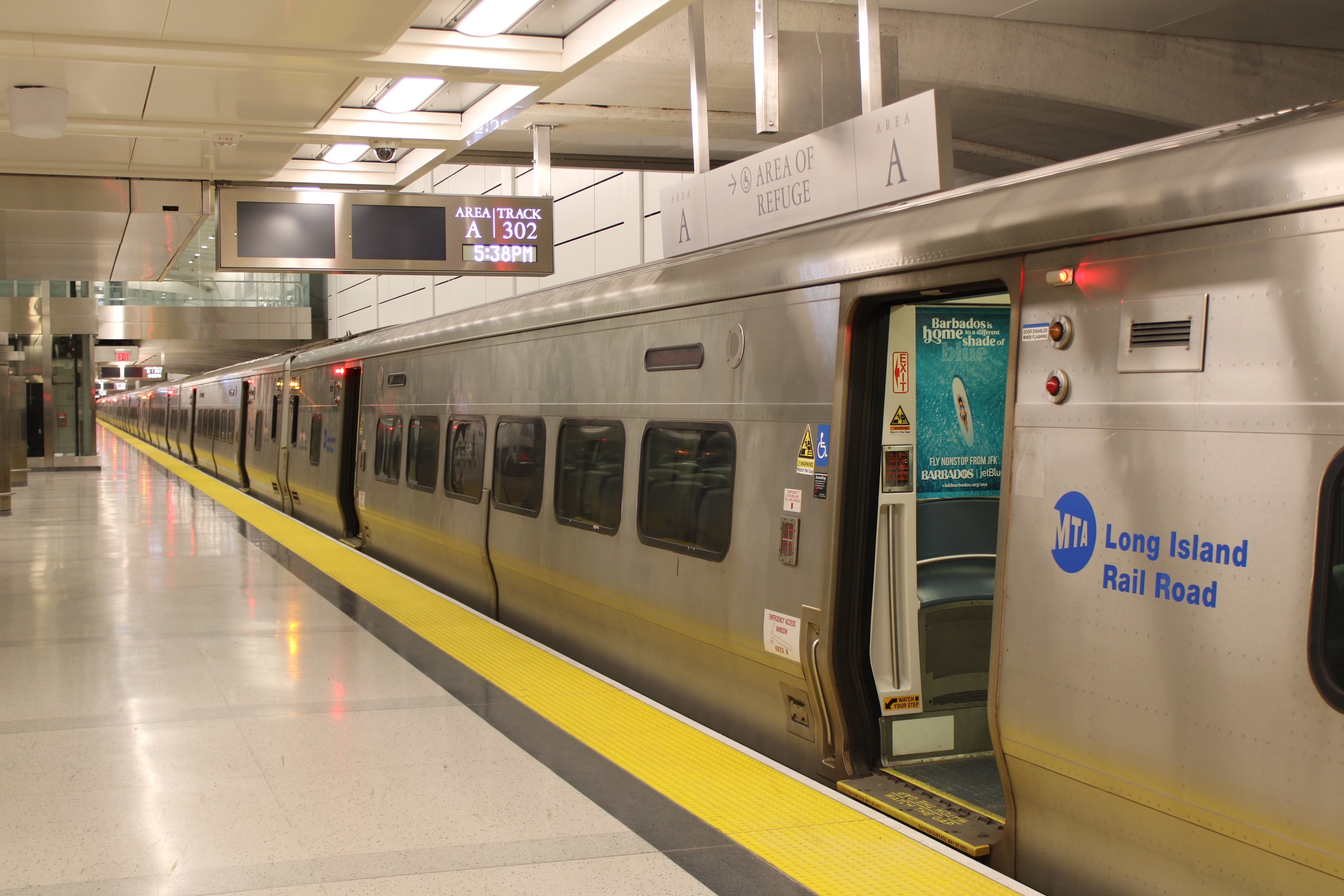
The Long Island Rail Road—North America’s largest commuter rail system, carrying roughly 250,000 people on a typical weekday—went on strike Saturday, its first work stoppage in 32 years. By Monday morning, negotiations had failed overnight. Ghost trains sat on the tracks marked “No Passengers.” Hundreds of thousands of commuters scrambled for shuttle buses, carpools or a boss flexible enough to let them stay home.
The companies that kept running without a hiccup this week weren’t lucky. They were prepared. The ones in crisis built their operations around an assumption that infrastructure would always show up, and they never tested what happened when it didn’t.
That assumption is worth examining before the next disruption forces you to.
The Problem Isn’t the Strike—It’s the Single Point of Failure
Here’s the thing about the LIRR shutdown: The trains stopping was the visible event. The real story is how quickly it revealed which organizations had built genuine flexibility into how work gets done and which ones had simply written a remote work policy and called it a plan.
There’s a meaningful difference between the two. A policy is a document that says employees may work from home under certain conditions. A plan is an operating model that’s been tested and refined and functions without anyone needing to improvise. The LIRR strike is essentially a live audit of which one your organization has.
MTA CEO Janno Lieber offered an accidental compliment to some organizations: “Folks are taking the governor’s suggestion to stay home and to telework,” he told reporters, noting that ridership on the emergency shuttle buses was surprisingly light. Turns out, when infrastructure fails, the teams with real flexibility absorb the shock quietly. You only notice the teams that don’t.
Why Return-to-Office Mandates Created a New Kind of Risk
The timing here is worth noting. The LIRR strike lands in the middle of the most aggressive return-to-office push since the pandemic. Amazon, JPMorgan and dozens of other major employers spent 2025 pulling people back to desks five days a week. The message was consistent: In-person presence matters. Get back in the building.
What didn’t follow those mandates, in most cases, was a plan for what happens when getting to the building becomes impossible.
Stanford economist Nicholas Bloom, whose research tracked over 30,000 employees across multiple studies, found that hybrid arrangements deliver productivity roughly equal to full-time office work, with meaningfully lower turnover and commuting stress. His research also found the most important variable wasn’t where people work. It was how well they are managed. You can mandate location all you like. You cannot mandate infrastructure reliability.
The employees most exposed by the LIRR shutdown are concentrated in exactly the kind of professional, knowledge-worker roles where remote work is most viable. Research from Harvard Business School’s Zoë Cullen found that tech workers would give up as much as 25% of their total compensation to avoid commuting five days a week. That’s not a preference. That’s a signal about how much commuting friction costs people and how much operational risk accumulates when you make showing up physically nonnegotiable with no contingency in place.
The LIRR strike didn’t create a new problem. It made an existing one visible.
The 3 Questions Your Remote Work Plan Can’t Answer
If your organization scrambled this week—or would have scrambled if this happened in your city—there are three questions worth sitting with before the next disruption arrives.
1. What percentage of your team can’t do their job remotely? Not “won’t” or “prefers not to,” but genuinely can’t because workflows, tools, approvals or systems haven’t been set up to function outside a physical location. For most knowledge-work organizations, that number is lower than leaders assume. The gap isn’t capability. It’s set up. If you don’t know your actual number, you don’t have a resilience plan. You have a document.
2. Have you ever actually tested your async protocols? Async communication—the ability for your team to hand off work, make decisions and move projects forward without being in the same place at the same time—is a muscle. It atrophies when you don’t use it. Most hybrid teams have it in theory and lose it in practice when they spend three days a week in the same building. The organizations still functioning this week didn’t improvise async protocols on Monday morning. They used the ones they’d already built.
3. Is your flexibility a policy or a capability? A policy says what’s permitted. A capability is something your team can actually execute. Surveys consistently show that 66% of U.S. firms still offer location flexibility, but the gap between “we allow remote work” and “our team can operate remotely on 12 hours’ notice” is enormous. If you haven’t closed that gap deliberately, a strike, a snowstorm or a building issue will close it for you—on the worst possible morning.
What to Do Before the Next Disruption Hits
You don’t need to overhaul your workplace strategy this week. But there are three moves worth making now, while the LIRR story is still fresh enough to make the case internally.
Run a commute dependency audit. Map which roles, workflows and decisions have dependencies that require physical presence. Be honest about which ones genuinely do versus which ones just haven’t been re-engineered yet. That second category is your resilience backlog.
Schedule a remote drill. Pick one day in the next 30 days and have your team operate as if the office is inaccessible. Not a suggestion—a test. You’ll find the gaps in your async protocols faster than any planning exercise will reveal them. Fix those gaps while the stakes are low.
Update your contingency language with clients and stakeholders. If a disruption hit this week and you needed to call a client to explain a missed deadline, that’s a gap in expectation-setting, not just operations. Build “infrastructure disruption” into your standard contingency language now, the same way you’d treat a weather event or a system outage.
The LIRR will come back online. It always does. But the next disruption will be something else: a different strike, a different city, a different infrastructure failure you didn’t see coming.
The organizations built to absorb it won’t be the ones with the most detailed remote work policies. They’ll be the ones that used the quiet periods to practice.
Featured image from The Global Guy/Shutterstock