
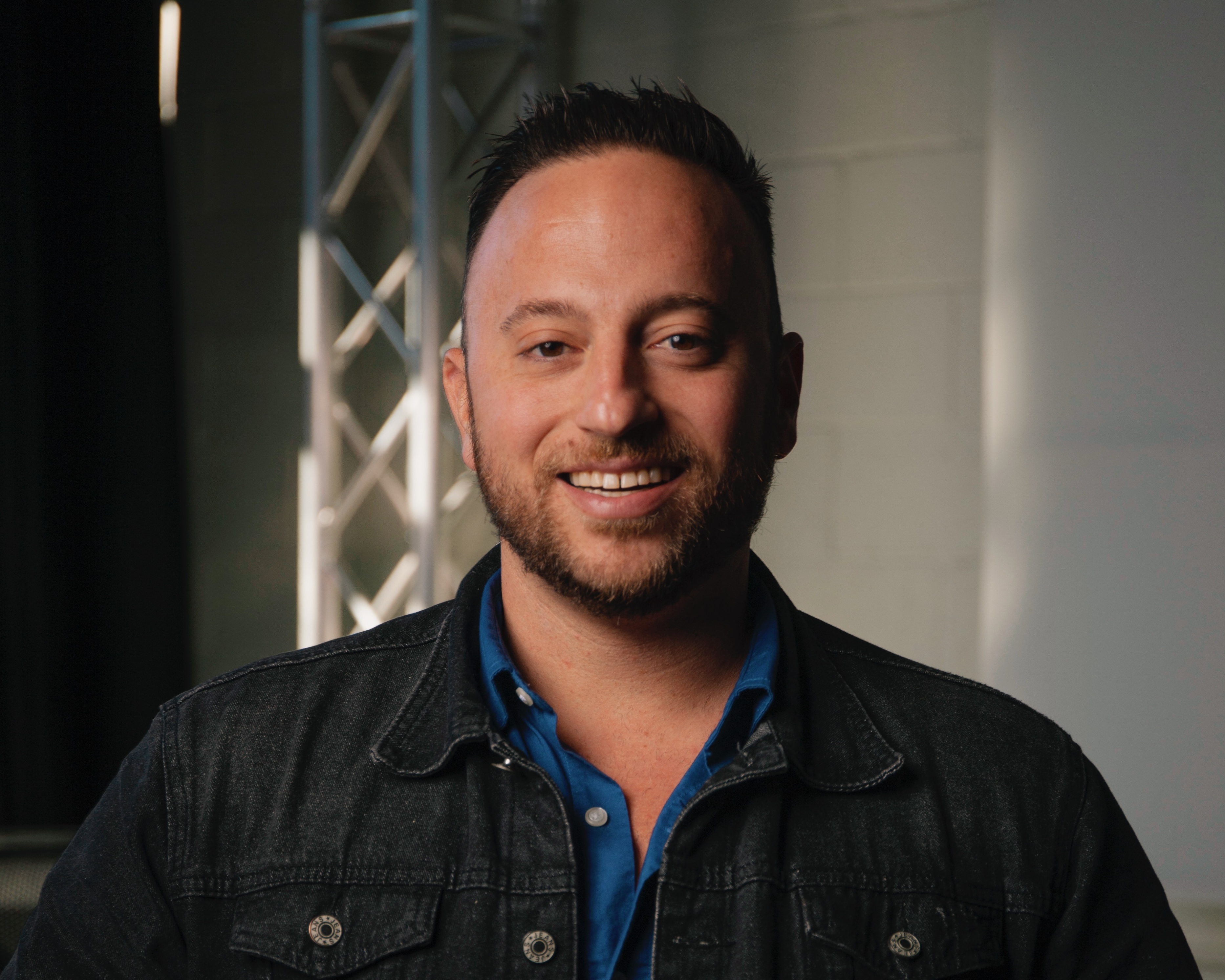
The music industry has changed dramatically in recent years, thanks in large part to platforms like Spotify, TikTok and YouTube.
For help navigating this new landscape, many creators and brands are turning to Genni, an influencer marketing agency and technology company helmed by Johnny Cloherty. Over the last eight years, Cloherty and his team have figured out how to harness the power of social media to help musicians and brands reach new audiences–and help consumers discover new songs and products they love.
“The access that musicians have to their fans today is so much greater than it was pre-digital renaissance,” he says. “Being able to access those fans, being able to access those audiences, not having to participate in a world of gatekeepers... it’s a good thing ultimately, not only for artists, but for fans.”
From Nashville Musician to Music Industry Entrepreneur
Cloherty has always had an entrepreneurial spirit. Growing up, he mowed lawns and washed cars to earn extra cash—but his real passion was playing music. He moved to Nashville with a goal of making it big but quickly realized his talents were better suited for the business side of music.
Cloherty enrolled at Belmont University, where he learned the ins and outs of the entertainment industry. After graduation, Cloherty went to work for talent agency William Morris Endeavor, where he saw firsthand how the internet was disrupting music.
“For the longest time, artists used terrestrial radio as the sole means of discovery and consumption,” he says. “So, if you weren’t on the radio or didn’t have a music video on MTV, you were not an artist in the early 2000s.”
Now, however, with the rise of social media and streaming platforms, artists can share their work directly with listeners. One viral song can now propel a career, redefining what it means to “make it.” Many of the artists Cloherty worked with at the time were “really making waves using new media,” he says, “and that really piqued my interest.”
After transitioning to a role in artist management, Cloherty began noticing that big brands were using influencer marketing to drive sales, increase brand awareness and build connections with niche audiences. He wondered if a similar approach might work for musicians.
Cloherty decided to try influencer marketing to help promote the artists he worked with, but quickly realized the process was rife with “administrative chaos,” he says.
“I was calling around to different record labels and asking them, ‘Hey, this is a pain in the butt for me. I know it works, but I need someone to help me do this influencer stuff. Is there an agency or a company that you guys are using?'” he says. “And they said, ‘Nope, we don’t hire anyone. We don’t know anything about influencer marketing, but if you find someone, let me know.' And that was when the light bulb moment for me went off.
How Songfluencer Became Genni, an Influencer Marketing Platform for Music and Brands
Cloherty decided to take matters into his own hands. He founded Songfluencer, one of the first music marketing agencies to use creators on TikTok, Instagram and YouTube to promote songs, artists and brands. The business took off quickly, attracting attention from record label executives and music managers for stars like Bruno Mars, Ed Sheeran, Harry Styles and Pitbull.
Meanwhile, behind-the-scenes, Cloherty’s team was hard at work developing software tools that would help streamline the back-end mechanics of influencer marketing, including accounting, taxes, delivery timelines and workflow management. It wasn’t glamorous, but that work paid off in the long run. “It really helped us scale,” he says. “It really helped us operate much more efficiently.”
Soon, Cloherty began hearing from executives in other industries, who wondered if Songfluencer might be willing to take on clients outside of music. “So, of course, we just jumped into that, kind of drank out of a fire hose and learned in reverse,” he says.
To reflect this broader focus, the company officially changed its name to Genni in January 2025. These days, music remains a top focus, but Cloherty wants the company to have a wider, larger legacy. He also believes Genni’s deep entertainment roots give the company a competitive advantage.
“Music demands that you’re a lot faster and a lot scrappier, and we’ve been able to bring that to the table in a very meaningful way,” he says. “Music marketers tend to have to be on [the cutting edge of culture] because it’s just so hard to market artists. There’s so much good music out there. So, from a marketing standpoint, you’ve got to have so many different tools and tactics and little schemes and strategies to acquire fans.”
In addition to expanding beyond music, Genni’s business model has also evolved in other ways. The company still has a managed services arm. But, rather than having Cloherty’s team run their creator campaigns, many clients are now licensing Genni’s software and tech tools and doing that work themselves.
“Our platform… helps [brands and record labels] operate and do what they do best, which is activate creators and market their artists,” he says. “They don’t need to mess with the payment, the negotiations, the tax implications, the accounting nightmare. They have a workflow system that makes sense for them.”
AI, Streaming and the Future of the Music Industry
The music industry will likely continue to evolve—and Cloherty is excited to see where it goes. He’s especially interested in artificial intelligence music creation tools, which he believes could democratize music even more by bringing down recording and production costs.
“We are getting to a point where anyone with some creative juice, with some creative inspiration, with a little bit of mojo, can create a great song, can distribute it to millions. And have a career that inspires millions of fans worldwide,” he says. “A lot of those barriers of entry and gatekeepers have now disappeared. And that’s not a bad thing. That is a very good thing in my eyes.”
Johnny Cloherty’s Business Advice for Entrepreneurs and Marketers
Don’t be afraid to fail—and call it out. “I always encourage my team to use the word ‘fail’ liberally,” Cloherty says. “It’s important to fail in order to learn. I encourage my team to even use that phrasing when they’re speaking. ‘I failed at this. This failed. We failed.' Because then there’s a very clear distinction on what needs to happen or what needs to occur after the point of failure…. The quicker you get to the point of failure, the faster you innovate.”
Meet consumers where they want to be met. “Whether you are marketing a dental office, a Grammy Award-winning artist or a fragrance…, you need to think first: Where is my consumer and how do I meet them there? How do I market to where they are today?" he says.
Never forget the power of your people. “You can have the best product, you can have the best tactics,” he says. “But until [artificial intelligence] takes all of our jobs away…, human connections and human innovation is always going to be the biggest driver of any business. Taking care of your people, understanding what they want, what their dreams are, what their desires are and pulling greatness out of them is not only something you should do as a business operator, but I look at it as a mandate.”
Image courtesy of Johnny Cloherty
This article was first published in the November/December 2026 issue of SUCCESS Magazine. Get your copy here.