By the year 2030, roughly $30 trillion in assets is expected to change hands. And, as part of what’s being called the Great Wealth Transfer, these assets will land in the hands of women and younger generations.
This matters for many reasons; studies show these demographics spend differently, invest differently and—most importantly—give differently. Women give more, and younger generations seek authenticity in their impact.
Such are just a few of the many reasons thought leaders like Beck Spears, vice president of philanthropy at Rewriting the Code (RTC), are reimagining what the field looks like today and in the rapidly changing future.
Community Coded
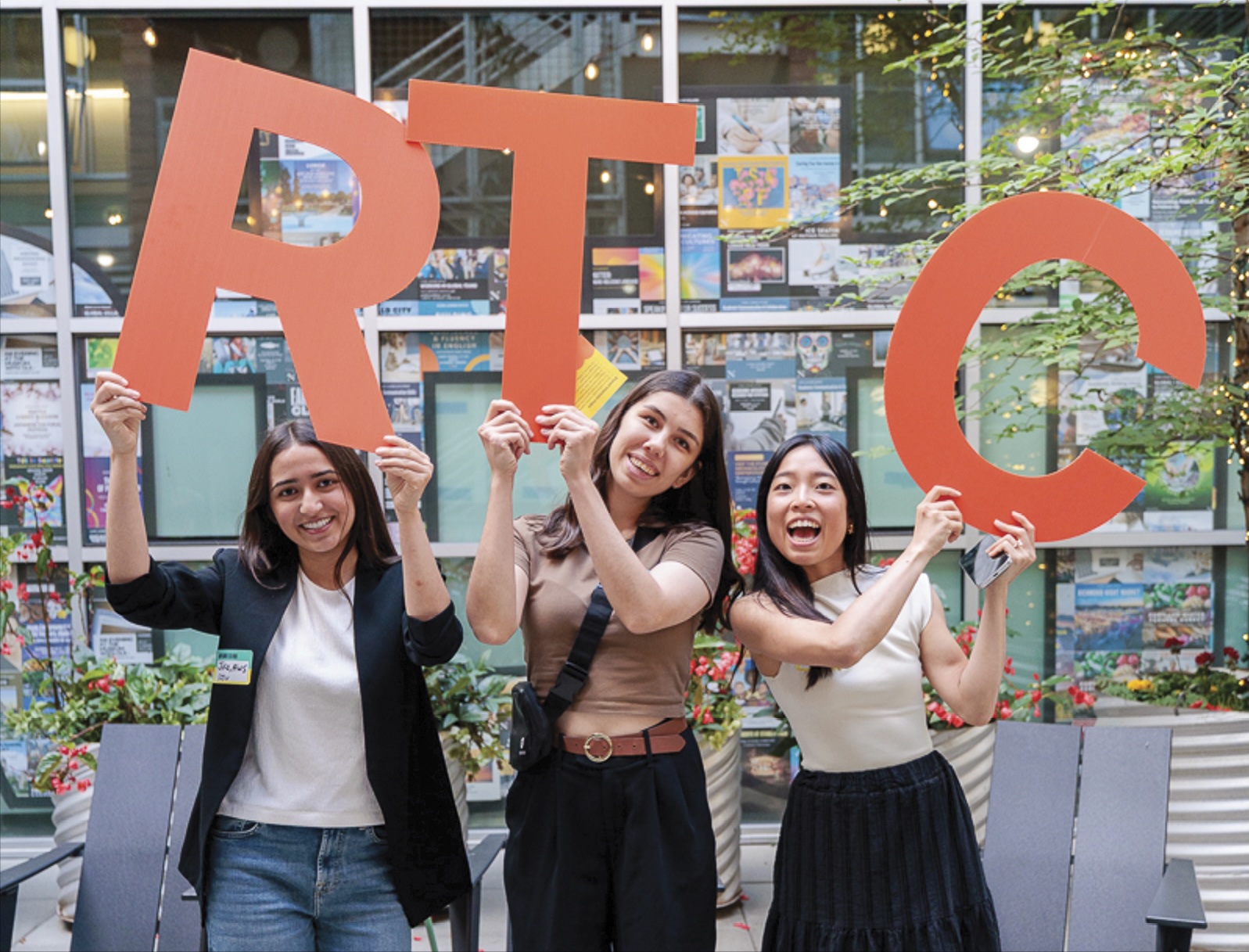
Established in 2017 by Sue Harnett, RTC is a 501(c)(3) nonprofit that serves more than 38,000 women who are in school or the early stages of their tech career. Through learning opportunities, career development programs and community, RTC works to “foster belonging, champion opportunity and equity, and innovate with the skills, knowledge and connections to thrive, reshaping the future of technology.”
As Harnett wrote in a 2024 impact report, the field of technology is quickly changing, and RTC wants to ensure women aren’t just keeping pace but instead leading the way. “Because this isn’t just about getting women in the door—it’s about making sure they thrive once they’re there,” she writes.
This takes many forms: scholarships and financial support, mentoring and coaching, upskilling programs, access to conferences and real-world projects, resume and job-search support, and as an undercurrent to it all: community.
Take, for example, RTC’s Slack network. “We have multiple Slack channels where the women can connect and get advice; we have Black Wings, we have Tech Natives, we have Latinas de RTC. We have channels for women who are interested in AI, channels for women who are interested in cybersecurity, cryptocurrency—you name it. We have community within community,” Spears explains.
RTC takes it offline, too, sponsoring events big and small across the nation to encourage connection and exchange of ideas IRL, even if only a few members reside in the area. “We’re in the job of solving problems, whether it’s for our community or for our partners,” Spears says.
Full-Stack Philanthropy
It’s true; at RTC, member solutions and giving-partner solutions go hand in hand—but it’s not one-way. With nearly tens of thousands of members, RTC has firsthand insights into the many challenges women in the industry may face—like struggling to find a mentor or managing student debt. “Some stories are personal.... Others reveal systemic issues, like biased hiring practices,” Spears says, explaining that the organization can then take these insights and use them to shape corporate partnerships and philanthropy, making them that much smarter. “We do not just collect these insights. We turn them into solutions and share them with companies, funders and partners so they can act,” she says.
Spears says one of the first things RTC asks a donor is what they are trying to accomplish, so RTC can then see how to mine it and how they might align. This transforms the currency of philanthropy from dollars into trust; what may have formerly become a sense of control returns into a spirit of contribution and collaboration.
So what are partners looking for? To start, it’s no longer “polished reports or photo opportunities,” Spears says.
“What companies are trying to accomplish, besides doing good, is they want to be innovative,” she explains. “And the most innovative companies understand that women need to be included in innovative futures. So, this is the biggest thing we talk about when we talk with these companies—how innovative they want to be.”
This may result in a variety of outcomes, but take RTC’s “Rewrite AI” initiative for example. With partners like NVIDIA and Microsoft, women have the opportunity to participate in real AI projects, and some will even travel to AI conferences around the world, thanks to RTC’s AI partnerships. “We’re trying to go beyond just the initial AI education certificate and offer real-world experience with a real company who’s working in the AI space,” Spears says.
With so many programs, opportunities and outlets, how is success measured? “Dollars are fuel. But trust is the real currency, and empowered communities are the legacy,” Spears says. Maybe a student stayed in her major because she found confidence in community through RTC. Or maybe a company changes its internship program because of insights from RTC. “Partners share how their work with RTC shifted the way they think about equity,” Spears emphasizes. “Data itself preserves these voices, ensuring the stories are not lost.”
Framework for the Future
A forward-thinking, strategic approach matters, Spears explains, because a change in values accompanies the transfer of wealth: “We’re seeing a shift in how philanthropy plays out in the U.S. and across the world.” The ways and intentions with which people give, from philanthropy and corporate social responsibility to individual donations, are just as rapidly changing as the field of technology itself.
“The future of corporate social responsibility is about authenticity and integration,” Spears says. “If corporate social responsibility is done without sincerity, it risks alienating communities, especially Gen Z, who can quickly sense when it is not genuine.”
Spears says that she often finds herself thinking about Maslow’s hierarchy of needs these days. As the world changes, philanthropists feel pressure, “whether it’s at foundations or corporations or as individuals, to now stop thinking as much about those higher levels, like workplace upskilling.” She reports that as government funding changes rapidly, so does the focus of donors and organizations. “The feeling is that there’s so many needs right now. And the needs are changing so quickly,” she says. Her goal? Just don’t lose the momentum.
“It’s a little bit challenging to know where to put the money, so a lot of places are just putting everything on hold. And, to me, the call to action is not to be on hold,” Spears says. “We have to move forward. It’s a challenge, but we have to keep moving.”
Featured image © Aaron Augsburger/Courtesy of Rewriting the Code
This article was first published in the March/April 2026 issue of SUCCESS® magazine. Get your copy here.