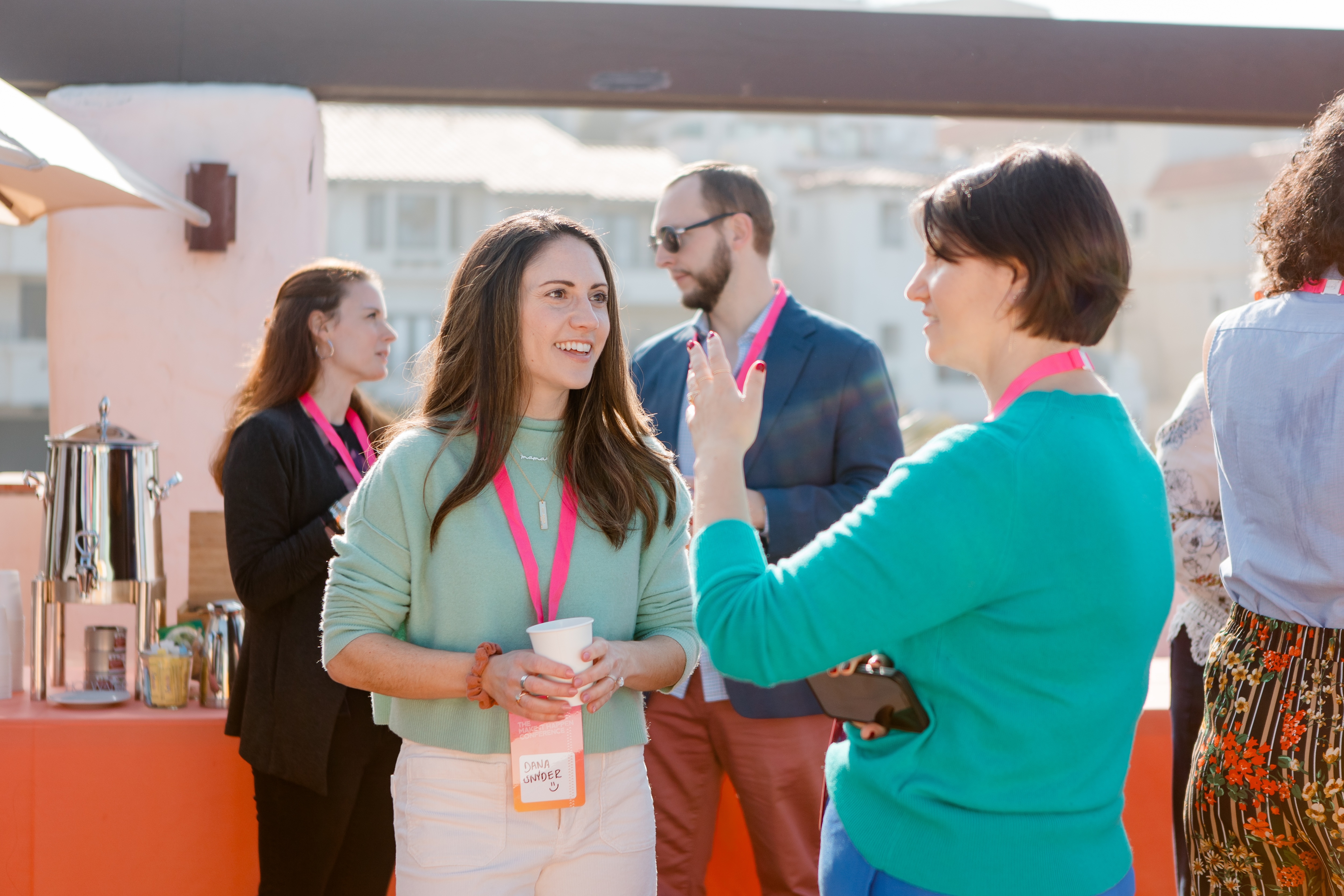
In 2017, Dana Snyder had just quit her job in digital marketing and public relations to pivot back into the nonprofit space–a sector she had loved since working with the Children’s Miracle Network Dance Marathon movement in college. She had just started her business, Positive Equation, to consult charitable organizations on fundraising. Amid the arrival of subscription boxes and services, she started to wonder: “Why didn’t [nonprofits] always have [recurring donations]? Why am I not seeing this blow up across the sector? Why is this not popular?”

If everything from dog food to doorbells was moving toward a subscription model, what could that mean for charitable giving?
So she started asking clients, “Why not?” Her clients reported a lack of bandwidth. Time and technological limitations left them dependent on increasingly outdated fundraising models centered abut one-time gifts, grants, galas and large-scale donors. But at a time of economic tumult and, now, slashed federal support, it has become increasingly evident that nonprofits need a new way.
“The nonprofit sector really is infrastructure in this country,” Snyder explains, noting it is the third-largest employer in the U.S. “We don’t realize how much of this country is dependent upon the work that nonprofits do. And if we don’t sustain it, who is?”
The Monthly Giving Method
Given her background in digital marketing, Snyder sees another way. Nonprofits don’t need richer donors. They need better strategy—and technology. Her approach? “Subscribe to the world you want.” Small, sustainable automated monthly gifts are more reliable than large, one-time donations—and they may not be as big of an ask (or effort) as organizations imagine.
In her 2024 book, The Monthly Giving Mastermind, Snyder outlines a five-step framework to build, grow and sustain subscriptions for good. Her work tackles everything from shifting mindsets to adopting the right technology and implementing optimized copy. She also hosts a “Monthly Giving Summit” once a year, where she dives into this blueprint with thousands of philanthropic leaders from around the world.
Snyder’s programs prove it only takes a few people and changes to make a difference. For example, after participating in the Monthly Giving Mastermind program, North Carolina-based SAFE Alamance has since tripled the organization’s monthly donors. No progress is too small to make a difference: New York-based charity Maloto saw an increase from 12 to 70 monthly donors in a year and a half after implementing Snyder’s methods, translating to a surge from $19,800 to $61,440 in annual giving.
“The nonprofit space has been on a hamster wheel of fundraising forever, and if we’re constantly chasing the next gift, hoping to be able to continue our missions, then that’s where the time and the energy is spent,” she says. “What a breath it gives to pause and say, ‘We know we have this stable base.'”
Industry data shows that monthly donors make up only a small share of nonprofit supporters–often in the single digits, percentage-wise–despite generating a disproportionate share of revenue. Snyder argues that even a modest increase in recurring giving could unlock billions in sustainable funding for nonprofits.
“It’s a steady, predictable revenue stream. It strengthens long-term planning while deepening donor relationships. We’re mobilizing a promise for longevity,” she explains. “And it makes it possible for our supporters to make a greater financial impact over time. It provides inclusivity.”
Making Recurring Donors Feel Like an Exclusive Community
In a donor model previously predicated on grand events and endowment-level gifts, giving could feel exclusive. Snyder has flipped the switch. Now, it’s the monthly donors–no matter the contribution size–who are the exclusive group, and, she argues, should be credited as such.
The benefits for monthly donors, she suggest, could be as simple as a thank-you note, a custom monthly newsletter, or a webinar with the CEO and key stakeholders. It could take the form of a gift they can opt in to or exclusive events–even if it’s just early access.
It can be a way to bring galas into the modern era. Snyder cites one client who created a whole separate space at their gala for monthly donors. Perhaps the recognition takes the form of a special glass of champagne, she suggests. “It’s all about crafting the right story, making it a moment at these events,” she says. “I think the gala model, traditionally, is always a one-time battle and can feel transactional. But make it a moment to say, ‘We’re here tonight, but the problem doesn’t go away tomorrow.'”
How Fundraising Technology Makes Recurring Giving Easy
At galas and beyond, technology used to be an obstacle in setting up seamless monthly giving. Since COVID-19, Snyder reports, that’s started to change. “The past five years have seen a boom, with a bunch of new features and functionality. And recurring giving is definitely taken way more seriously, because it’s been the only thing that’s been increasing.”
On top of that, simple tech-based tools, like email funnels, SMS campaigns and even artificial intelligence, help nonprofits set up to scale with little lift—a key element, given that, according to the National Council of Nonprofits, roughly 92% of U.S. nonprofits operate on annual budgets under $1 million.
How Monthly Donors Create Lasting Impact
Since founding Positive Equation, Snyder’s efforts have had a global impact, reaching hundreds of thousands of nonprofit professionals around the world. But she’s also empowered donors, transforming them into “micro-philanthropists,” as she describes it, able to meaningfully act on their vision for a better future.
“I think we feel like, ‘What could I possibly do that’s enough? What could I possibly do that’s going to change anything?'” she muses. “And I think what monthly giving does is it allows us to feel like this is making a difference. And sometimes it doesn’t always have to be these big, bold movements or statements of change that make an impact, but it’s being consistent—small and steady. Predictability is power.”
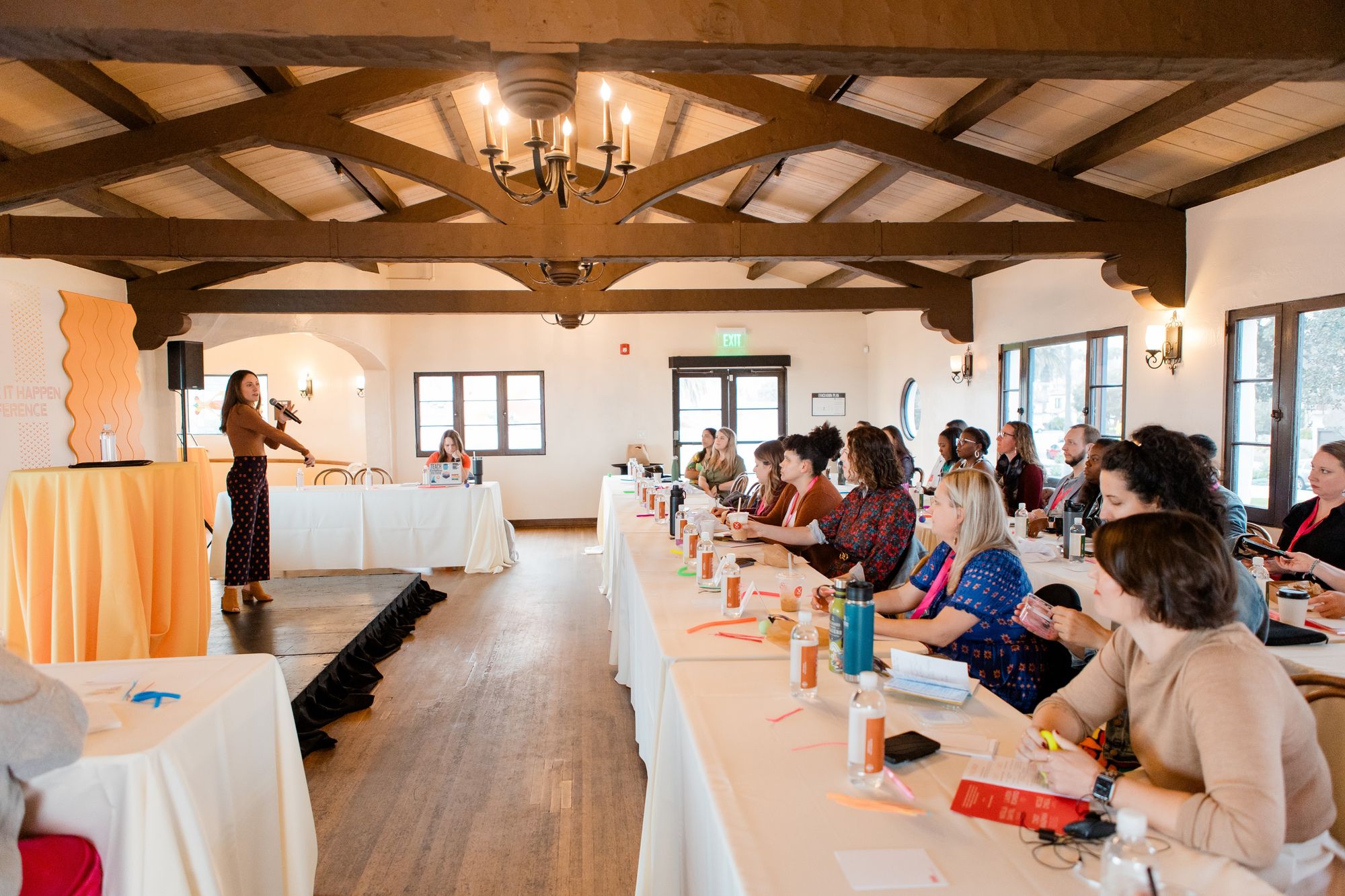
5 Steps to Build a Successful Monthly Giving Program
Dana Snyder, founder of Positive Equation, breaks down her five-pillar strategy for successful monthly giving programs.
Create the product. “A monthly giving program is a product. It shouldn’t be just a checkbox on a form or an option,” Snyder says, framing it as part of the infrastructure of an organization. It needs a name, a strategy and a budget.
Make it easy. “This is the tech component. If you don’t have good tech that helps you automate it, and you’re trying to scale, that’s a disaster waiting to happen,” she advises. Seamless technology–making it simple to start, pause or cancel gifts–is essential.
Call in the believers. “This is about really aligning and finding the right partners and crafting the right copy to call in those people,” she says. Start with people who already believe in your mission–existing donors, volunteers and advocates.
Make the ask. “You have to ask–you have to set up the opportunity,” Snyder says. Feature monthly giving prominently across every avenue: your website, email newsletters, social media and in-person events.
Share joy and gratitude. “That person was really excited when they hit that ‘give’ button,” Snyder says. “How do you–every month, consistently and through different milestone moments–show the appreciation and keep them updated on the impact of what their gift is doing?” Celebration and communication help cultivate retention.
Images courtesy of Dana Snyder
This article was first published in the July/August 2026 issue of SUCCESS Magazine. Get your copy here.