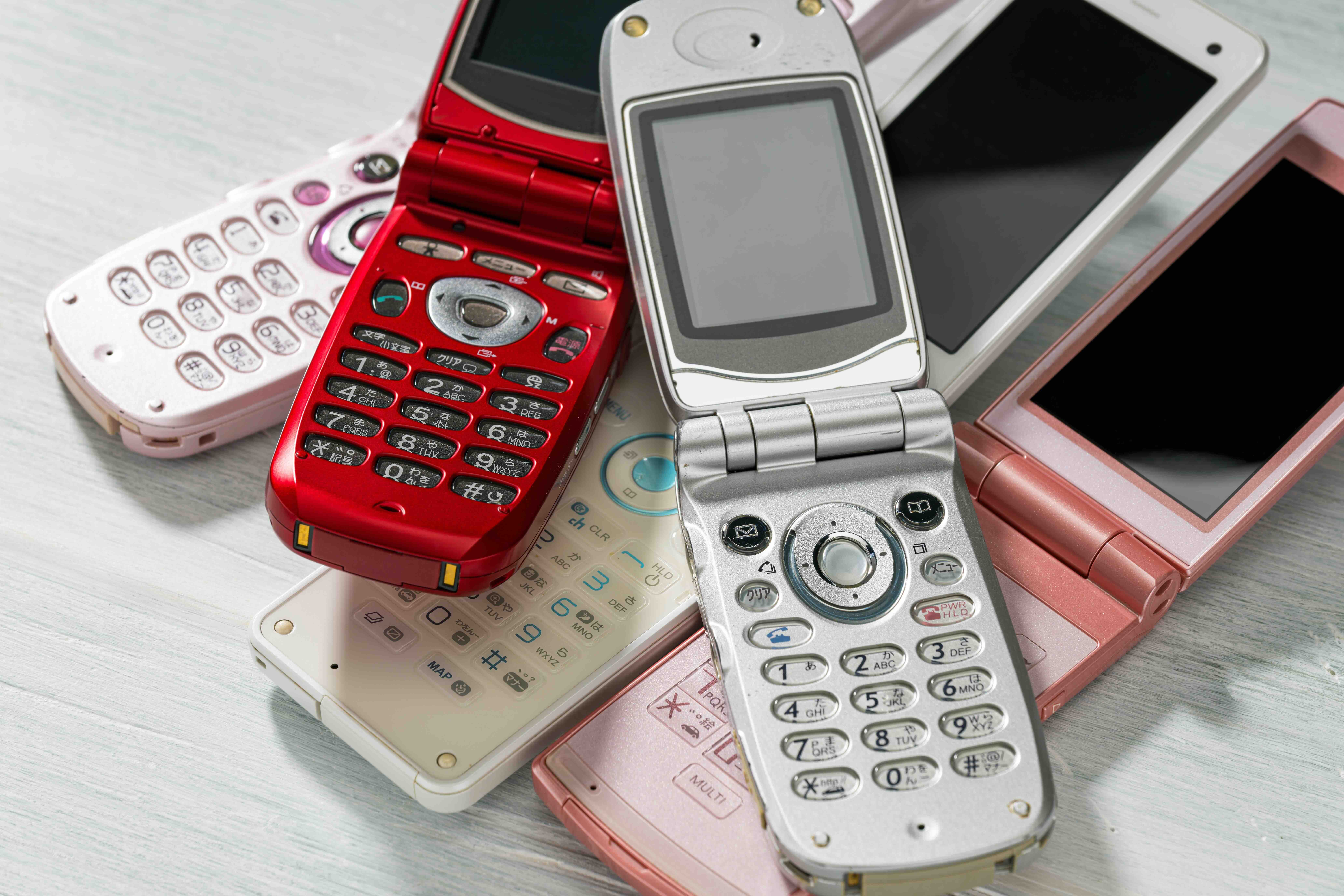
A company just launched a $299 phone with no touchscreen, no app store and no social media, and it’s selling out preorders. The Light Flip, a minimalist clamshell device with a numeric keypad and a single notification light, is being marketed as a phone built to resist the attention economy, not a downgrade from it.
This isn’t a nostalgia play for people who miss 2007. It’s the newest entry in a fast-growing category of tools designed to solve a very 2026 problem—that the smartphone in your pocket is engineered to be used far more than you actually want to use it.
Why a $299 ‘Dumb’ Phone Is Suddenly a Status Symbol
You’ve probably heard smartphone addiction described as a personal willpower problem. It isn’t. Every major app on your phone is built by teams whose job is to maximize the time you spend on it, and that design goal doesn’t change no matter how disciplined you are.
So what does this mean for you? A basic phone removes the problem at the source instead of asking you to out-willpower a trillion-dollar industry. That’s part of why carrying one has become less of a quirky throwback and more of a quiet signal, carrying a phone that can’t doomscroll suggests you’re focused enough not to need the guardrails everyone else does.
The Light Flip is betting on this directly. It’s marketed less as a retro accessory and more as infrastructure, a device engineered so the temptation simply isn’t available rather than something you have to resist twenty times a day.
The Science Behind Cutting Your Screen Time
This isn’t just a vibe. Research shows a randomized controlled trial published in BMC Medicine, led by Christoph Pieh at the University of Applied Sciences Krems, found that cutting daily smartphone screen time to under two hours for three weeks produced measurable improvements in stress, sleep quality, depressive symptoms and overall well-being.
The key detail is what happened next. Once the three-week intervention ended, participants’ screen time crept back up, and their mental health benefits started reversing along with it. Researchers noted this suggests a causal relationship, not just a correlation, between how much you use your phone and how you feel.
That finding matters more than the headline stat. It means the benefit isn’t permanent once you’ve “done the detox.” It’s tied directly to how much friction stays in your daily life going forward.
More Than Nostalgia, It’s Rebellion Against the Attention Economy
But it doesn’t stop there. The dumbphone trend is part of a broader shift researchers are calling “Analog Wellness.” According to reporting in The Conversation, Gen Z, the generation stereotyped as the most screen-dependent, is actually leading a return to film cameras, vinyl records and flip phones, driven by fatigue with algorithmic feeds and constant notifications.
The people adopting these tools aren’t rejecting technology broadly. They’re rejecting specifically the categories of technology engineered to be difficult to put down. A film camera or a flip phone doesn’t ask less of your attention by accident. It’s designed that way on purpose, and that’s exactly the design principle worth borrowing for your own habits.
CBC News has documented the same pattern showing up beyond Gen Z, with adults across age groups switching to basic phones specifically to reclaim focus during work hours, not just downtime.
That detail matters for a professional audience. This trend didn’t start as a workplace productivity fix, but it’s increasingly being adopted as one, by people who tried apps and willpower first and found that neither held up under real deadline pressure.
How to Get the Benefits Without Buying a New Phone
Start by treating this as a design problem, not a self-control problem. You don’t need a $299 flip phone to test whether reduced screen time changes how you feel. You need to rebuild the friction a smartphone removes.
Try this approach for one week: Delete the two apps you check most reflexively, not the ones you use most productively, and move everything else off your home screen except tools you use with intention. The goal isn’t fewer apps. It’s fewer one-tap invitations to disappear into your phone without deciding to.
The key is to make checking your phone require a decision again instead of a reflex. A grayscale screen, a locked app timer or even leaving your phone in another room during deep work blocks all recreate a version of the same friction a dumbphone builds in by design.
Building Your Own Version of Intentional Friction
If you’re a leader, this applies to your team’s culture too, not just your own habits. Industry leaders note that normalizing phone-free meetings and notification-free focus blocks does more for team output than any productivity app you could roll out.
If you’re a solopreneur, your version of this might be simpler: a designated “reachable” window for clients instead of constant availability or a separate device for deep work that genuinely can’t pull you into email or social apps. The specific tool matters less than the principle behind it, that reclaiming focus requires removing the option to lose it, not just resolving to try harder.
Your Next Move
You don’t have to buy a flip phone to benefit from what’s driving people to buy one. The research is clear that less screen time changes how you feel, and the trend is clear that friction, not willpower, is what makes that change stick.
Pick one place this week where your phone currently makes it too easy to disappear and make it harder on purpose. That’s the entire mechanism behind a trend that looks like nostalgia but is actually just good design.
Whether that means a $299 flip phone, a locked-down home screen or simply leaving your device in another room during your most important hour of the day, the tool matters far less than the decision to make distraction cost you something again.
Featured image from Wako Megumi/Shutterstock