With 708 million women caregivers excluded from the traditional workforce worldwide, the Armenia-based, award-winning social enterprise Ardook is on a mission to provide sustainable, flexible income opportunities for mothers caring for their disabled children.
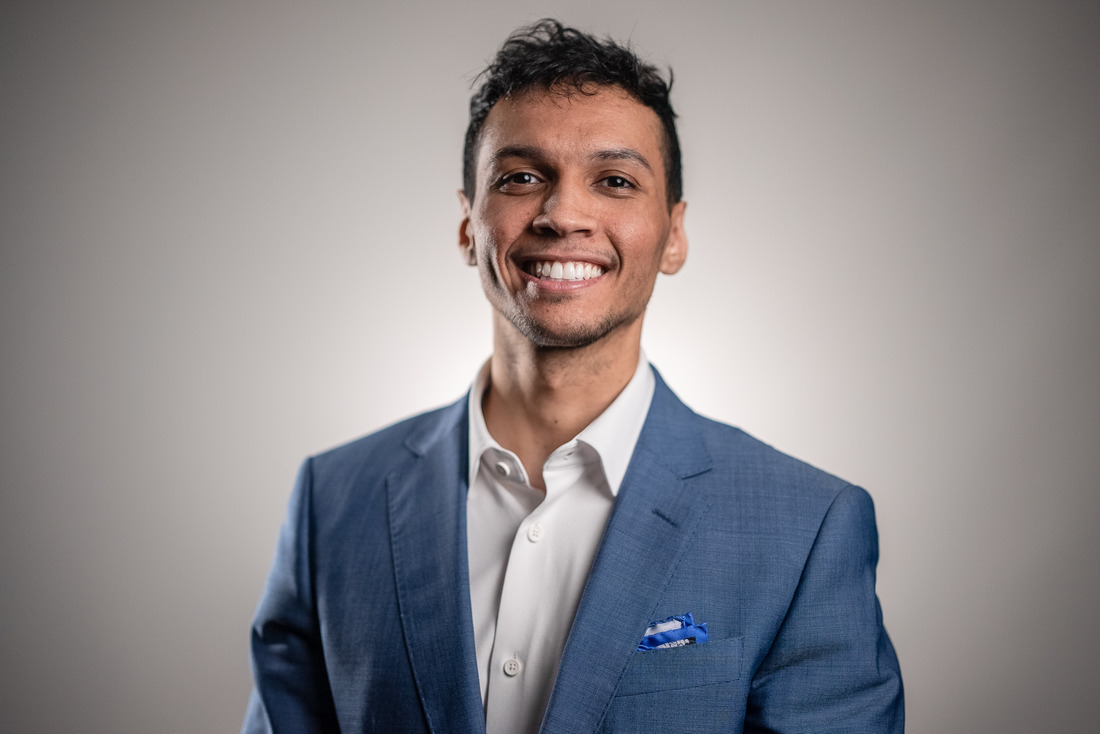
Ardook (“ironing” in Armenian) was founded by global retail management executive Shogher Atanesyan, whose replicable business model redesigns access to employment for caregivers, addressing unmet societal and economic needs.
Launched in July 2022, Ardook employs 25 caregivers who work from home, providing daily washing, drying and ironing services to businesses and individual customers through a coordinated logistics and marketplace system. Orders are collected from customers through a centralized courier network, distributed to trained home-based women and returned within 24 hours.
“The flexible work hours set Ardook apart from other remote work opportunities, which require fixed schedules, uninterrupted availability or specific digital skills that mothers caring for their disabled children often cannot meet,” says Atanesyan.
Nearly 75% of Ardook’s employees are single mothers living in rental apartments. Earning a monthly income ranging from $50 to $500, the mothers gain emotional support, peer connections and purpose-driven work, which greatly contribute to their emotional well-being, sense of belonging and empowerment.
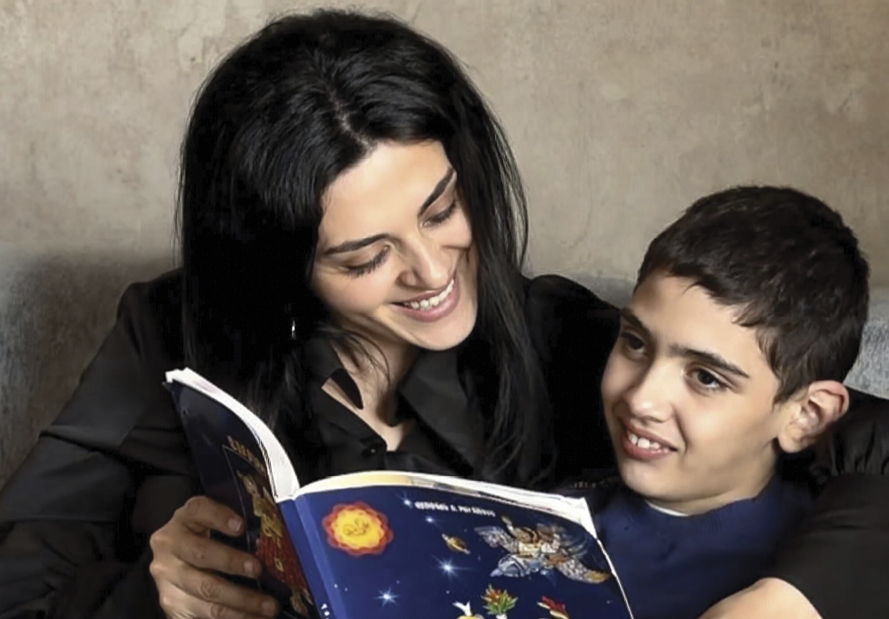
Kristine Arakelyan, a single mother of an autistic preteen boy, was Ardook’s first hire and was later promoted to manager.
“Ardook came into my life when I was in a very difficult psychological state and couldn’t imagine how I would overcome the difficulties I faced alone,” Arakelyan says. “As the first mother to join the program, I was constantly busy with work…. This is the only job that I could combine with taking care of my child. Ardook changed my life 180 degrees. When you can work and earn money on your own, you gain a lot of self-confidence, which I desperately needed.”
Ankyun, an Italian restaurant in Yerevan, Armenia, uses Ardook’s services. Restaurant representative Lusine Mirzoyan says she values Ardook’s punctuality, which provides the restaurant with clean tablecloths and napkins that have been laundered without harmful substances.
“The staff’s aprons are always neat and well-groomed,” Mirzoyan says. “And thanks to Ardook’s high-quality cooperation, we are also thrilled to support children with special needs, which makes our partnership even more important and enjoyable.”
Last December, Ardook expanded into neighboring Georgia with three initial hires. Atanesyan hopes to scale her Georgia operations to 10 employees by the end of the year. Arakelyan is now training new hires in Georgia’s capital city, Tbilisi.
“Ardook’s scaling plans will broaden its reach to more beneficiaries and women caregivers who are unable to participate in traditional employment due to their responsibilities—including mothers of children with disabilities, wives of wounded soldiers, women caring for elderly parents, among others,” Atanesyan says.
Forced to leave her career as a certified oncology nurse to care for her three disabled children, 42-year-old Keti was Ardook’s first hire in Georgia.
“We lived in very difficult financial conditions, and my children’s needs required additional expenses. I tried to find a job, but most jobs in Georgia require conditions that I couldn’t manage while caring for my children,” says Keti, who learned about Ardook at a center where one of her children receives services. “I can work for Ardook from home, and earn at least a small income to support my children.”
Dismantling Societal Stigmas Around Disability in Armenia & Georgia
Legal gaps and institutional practices contribute to overall societal attitudes and stigmatization of disabled children and people with disabilities in Armenia and Georgia. In Georgia, people with disabilities face an uphill battle for equality, basic human dignity and voting rights—they struggle to be recognized as equal members of society.
Government sources indicate that 9,356 children have disabilities in Armenia, where the law on the Rights of Persons with Disabilities shifted policy toward a rights-based inclusion model rather than a purely medical definition of disability.
Some 12,725 children with disabilities are registered in Georgia, according to 2022 UNICEF case studies. Children with special educational needs are integrated into mainstream schools with support from specialists, assistive technologies and, increasingly, specialized staff.
Having ratified the UN Convention on the Rights of Persons with Disabilities, Armenia and Georgia are obligated to protect equal rights and freedoms of those with disabilities. Support discrepancies leave mothers, who are the primary caretakers, to fill the void.
Ardook’s Eco-Friendly, Social Impact Business Model
Ardook’s social impact model and eco-friendly practices—using recycled plastic hangers and woven bags for order pickups—have earned it prestigious awards, including the Social Impact Award, as well as the British Council’s Social Impact and Creative Spark awards. Grants from the Impact Hub Yerevan, the IRIS Business Incubator and Armenia’s first dedicated impact investment fund, VIA Fund, support Ardook in equipping employees with the necessary tools and scaling.
Inducted into the NVIDIA Inception program, Ardook now has access to artificial intelligence expertise, technical tools and a global innovation network to help build a scalable technology marketplace. Additionally, Silicon Valley’s Miller Center for Global Impact Accelerator provides Ardook with mentorship, strategic guidance and capacity-building support to scale its impact.
“Ardook represents a growing global shift toward redesigning employment systems around caregiving realities rather than expecting caregivers to adapt to rigid labour structures,” Atanesyan says.
This article was first published in the September/October 2026 issue of SUCCESS® magazine. Get your copy here.
Photo courtesy of Ardook