
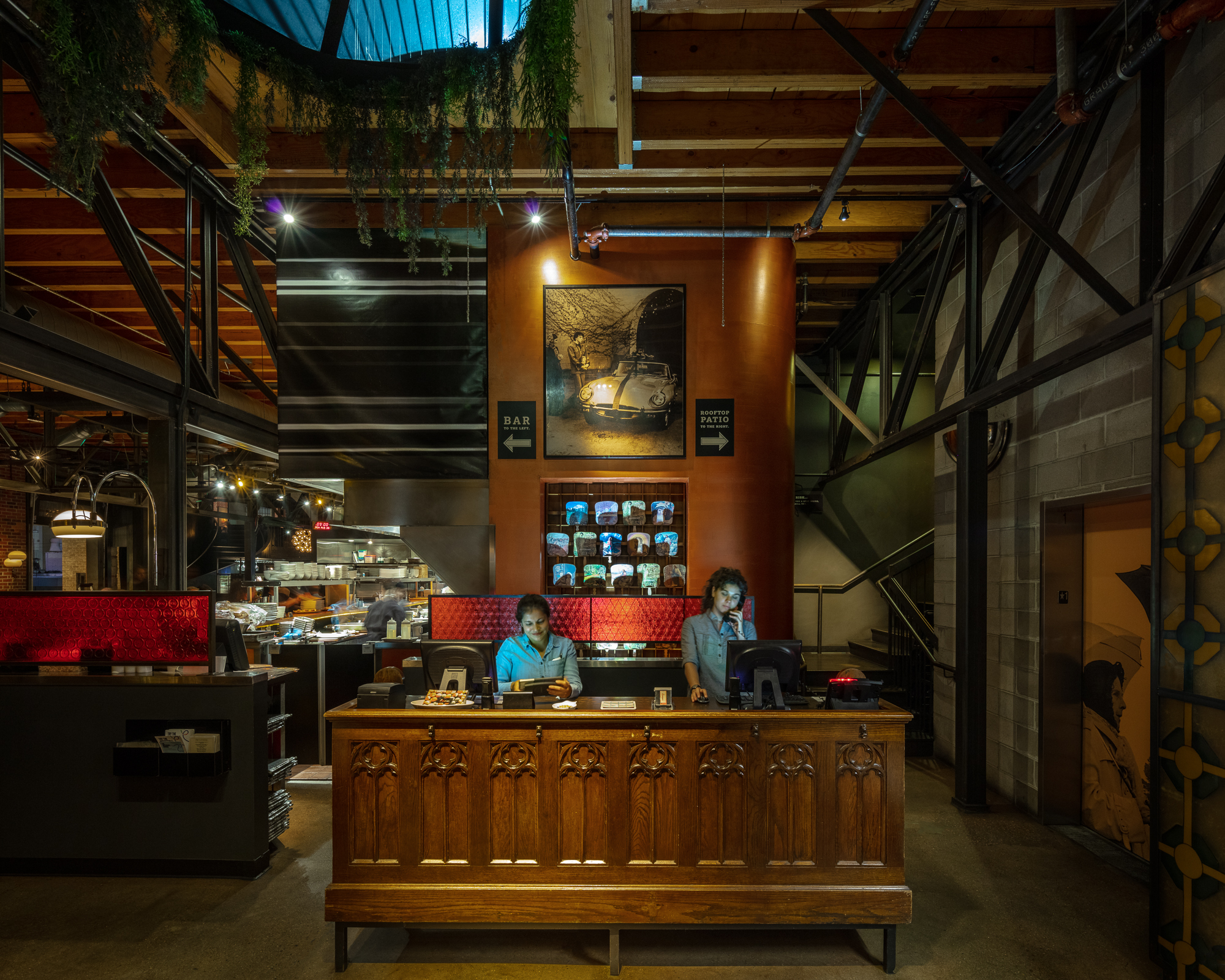
It’s a challenging time in the United States to own a bar or restaurant. While the dining industry has always dealt with razor-thin margins, the past few years have been particularly rough, thanks to post-pandemic employee shortages, record-high inflation and other issues. “The last couple years have been funky as hell, and coming out of COVID was already pretty funky enough,” says Colorado restaurateur Justin Cucci. “In Denver, specifically, our minimum wage, over the last five years, has gone up over 70%.... That is a piece of the puzzle we never prepared for.”
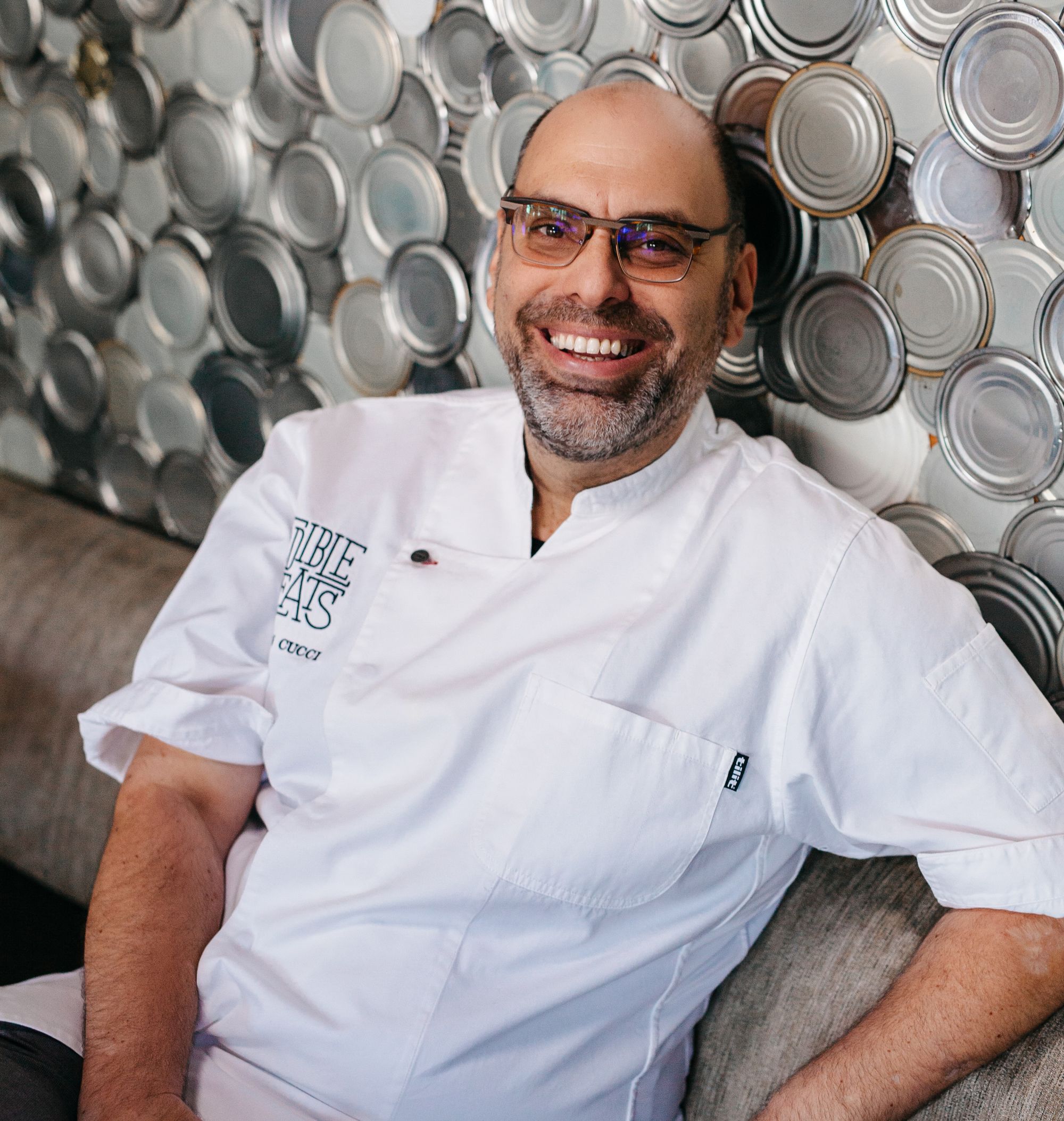
Image of Justin Cucci
Cucci is the founder and chef behind 17-year-old Edible Beats. The restaurant group encompasses four contemporary concepts in the Mile High City—Linger, Vital Root, El Five and Root Down (which also has a popular outpost at Denver International Airport)—serving everything from plant-based cuisine to Spanish fare and globally-inspired street food.
While Edible Beats has suffered some losses in the post-COVID world—last year, it sold one of its most iconic concepts, a concert venue and gastropub called Ophelia’s Electric Soapbox—Cucci still managed to make some big moves to create opportunities for himself and his employees. In 2022, the restaurant group adopted a 100% employee stock ownership plan.
How an ESOP Works for Restaurant Employees
The ESOP gives Edible Beats’ 325 to 375 employees (the number fluctuates depending on the time of year) an ownership stake in the business. Shares are allocated to staff at no cost and accumulate in a trust. Long-standing employees are grandfathered into the plan, and newcomers are eligible after one year. Employees’ shares are based on salary, including tips, which are shared based on an individual’s position, tenure and skill level.
ESOPs Are Rare in the Restaurant Industry
Cucci’s adoption of this benefit plan is an uncommon move in the restaurant world. There are only six restaurants among the nearly 6,550 businesses in the United States that have implemented the ESOP, most of which are private companies. Since there were few restaurant ESOP models to follow when Cucci made the decision, the group paved its own way with the help of the leadership team and advisers. “We were a little nervous,” he says.
Using an ESOP as a Succession Plan
But Cucci, 57, also felt like it was the appropriate next chapter for Edible Beats, which has experienced more success than he could have imagined in the Denver restaurant scene. Multiple concepts have been featured on local and national best restaurant lists, and the group has been celebrated for its commitment to local and sustainable sourcing since it opened in 2008.
“I never had [a succession plan], but then when I learned a little bit about an ESOP, I said, ‘That feels like the way our story has to end.....'” Cucci says. “I felt like it would be a way for the employees who had been on that journey, who’ve been part of that success, to reap the rewards of that success. It’s kind of the proverbial win-win, where the owner gets the financial reward out of it by selling his business to the employees even though they don’t have to bring any money to the table.”
How ESOP Share Value Is Determined
Every year, ESOP businesses are assessed by a valuation firm based on factors such as market conditions, the health of the economy, year-over-year growth and whether they met their projections and earnings before interest, taxes, depreciation and amortization (EBITDA) goals. That gives employees a sense of the value of their shares in the company.
Since Edible Beats transitioned to an ESOP model, its employee share prices increased by 80 and 40% in 2023 and 2024, respectively, even though the company didn’t meet a lot of its financial projections and EBITDA goals. “It’s nice to see that an ESOP can still perform well, even if it’s not as profitable,” Cucci says.
Benefits of an ESOP for Owners & Employees
In addition to ensuring a smooth transition of ownership and continuity of the company, benefits to ESOPs include improved company culture, increased employee retention and tax benefits for both workers and employers. Cucci says it’s helped empower certain team members such as Edible Beats vice president Megan Baldwin, who started at the company in 2010 as his personal assistant and worked her way up to a leadership role, to make decisions without having to consult him.
“My succession plan was like, ‘How do I make myself obsolete?'” he says. “And it felt like the more I could let other employees take ownership of things and take the reins on certain things, the more obsolete I’d be.”
While Cucci isn’t ready to hang up his chef coat quite yet, he’s excited about the future of Edible Beats’ ESOP—a rare thing he thinks America’s two main political parties are actually in favor of.
The idea is appealing to Democrats because it shares the wealth and offers individuals opportunities for wealth or ownership. “It gives them a leg up,” he says. “And I think Republicans love it because it takes taxes and it reduces them because [ESOPs] don’t pay federal income taxes.... It’s obviously a win-win.”
3 Easy Ways to Support Local Restaurants
Many restaurants are struggling to balance the increased expenses required to operate their businesses with maintaining affordable prices for customers. Here are three easy ways you can help independent restaurants keep their lights on, Cucci says.
Whether it’s for a special event, a birthday celebration or a romantic night out, visit your favorite independent restaurants often. “Every meal counts,” Cucci says. Extra credit: Grab a table during off-peak hours (before or after the lunch or dinner rushes). “We love to have people in early or late, so we can give our best every hour we are open,” he says.
Order to-go and delivery through the restaurant’s website as opposed to third-party apps such as Uber Eats or DoorDash. “You’ll get the same service, but you’ll help restaurants save on third-party fees, which can be up to 25% of the final bill,” Cucci says. Extra credit: “When making a reservation, try booking directly through the restaurant’s website, if available,” he says. “It’s often more cost-effective for the restaurant compared to using third-party reservation platforms.”
Share your experience. “Spread the word,” Cucci says. “Leave positive reviews on platforms like Yelp, Google or TripAdvisor to help us attract new guests and show off our attributes. Tag us on Insta if you like what we are doing!” Extra credit: Reach out directly to the restaurant before you leave a negative review. “If you’re unhappy or have negative feedback when you’re dining with us, give us a chance to fix it,” he says. “We would love to make it right. Nothing feels better than taking a frown and turning [it] upside down!”
Feature image courtesy of Edible Beats
This article was first published in the November/December 2025 issue of SUCCESS® magazine. Get your copy here.