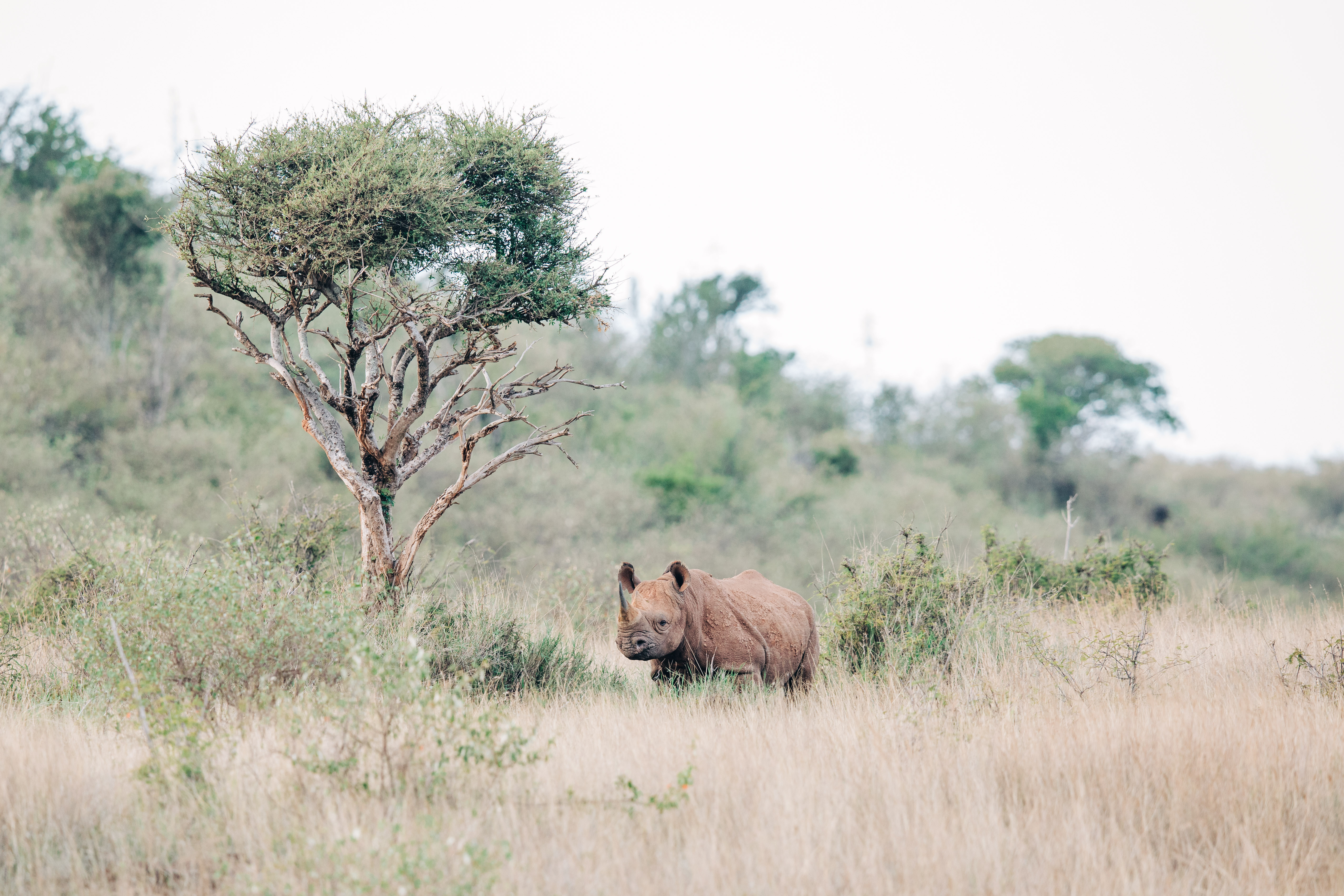
A rhino is poached globally every 15 hours, and from 2013 to 2017, the world lost more than three rhinos every day to poaching, according to the International Rhino Foundation. Yet, in Northern Kenya’s Laikipia County, one man is attempting to rewrite that story.
At Loisaba Conservancy, a 58,000-acre sanctuary of rolling grasslands and rocky terrain, CEO Tom Silvester is leading one of Africa’s most ambitious conservation projects: reintroducing black and white rhinos to a landscape where they have been absent for nearly half a century. But beyond wildlife, Silvester’s real legacy lies in how he leads his team with consciousness, collaboration and a belief that human prosperity and ecological health are entwined.
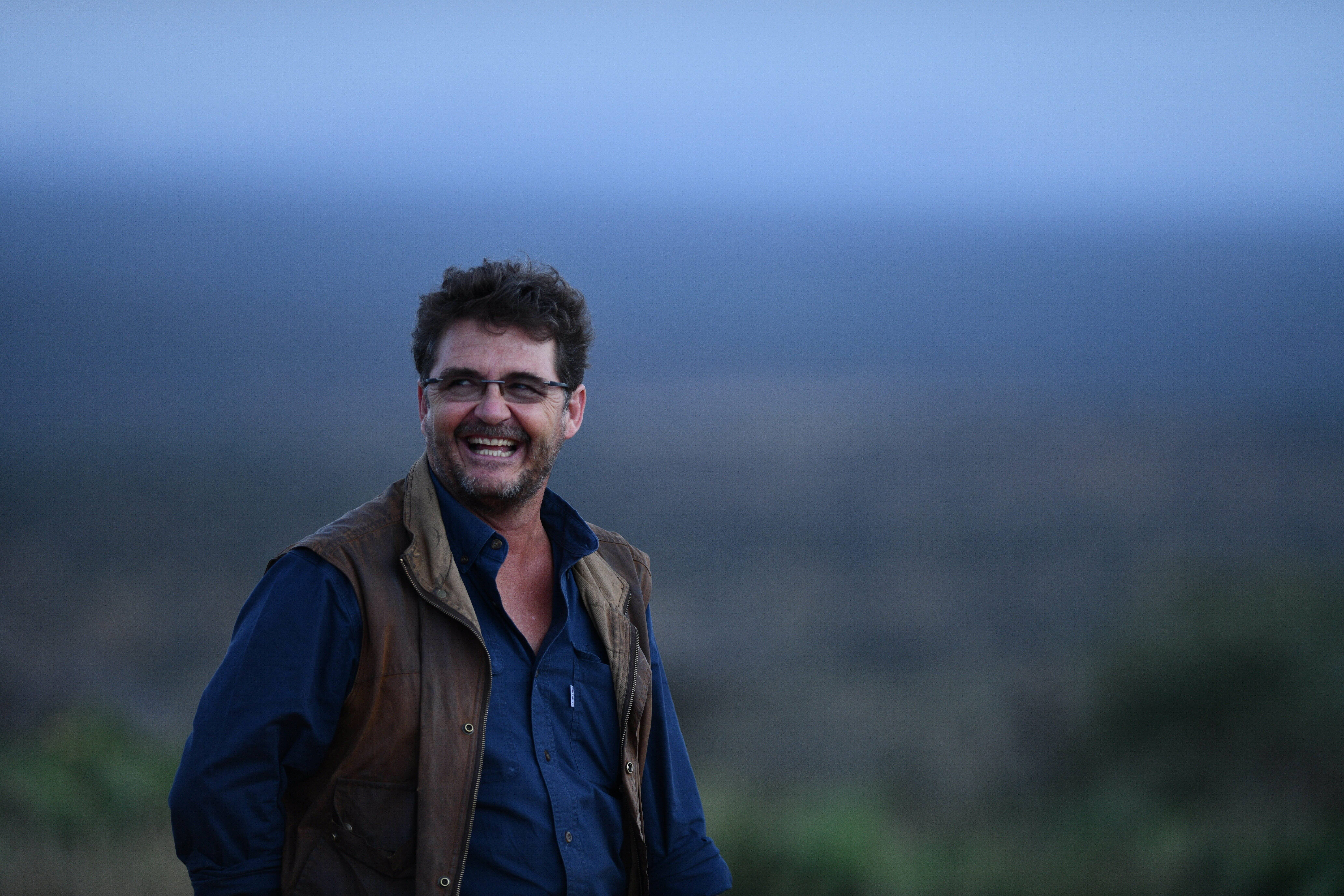
Photo of Tom Silvester
Visiting Loisaba is like stepping into a hub of possibility. Herds of elephants graze beneath acacia trees while local rangers monitor wildlife movements on digital screens powered by EarthRanger, a real-time conservation platform. The command center, resembling a NASA control room, has a dedicated “rhino desk” that is manned 24/7. What strikes you most isn’t just its success but the seamless integration of innovation, community and compassion.
Silvester’s journey began in 1992, when he first arrived as a ranch manager and was shown the skull of the last black rhino poached in the 1970s. That image has never left him. “And I thought at the time: This is gonna be the measure. It was a symbol of failure but also a call to action. We’ve gotta have those back here,” he says. Over the next three decades, he transformed Loisaba from a struggling cattle ranch into a model of modern conservation, treating it as an ecosystem of shared value.
How Does Loisaba Support Local Communities in Kenya?
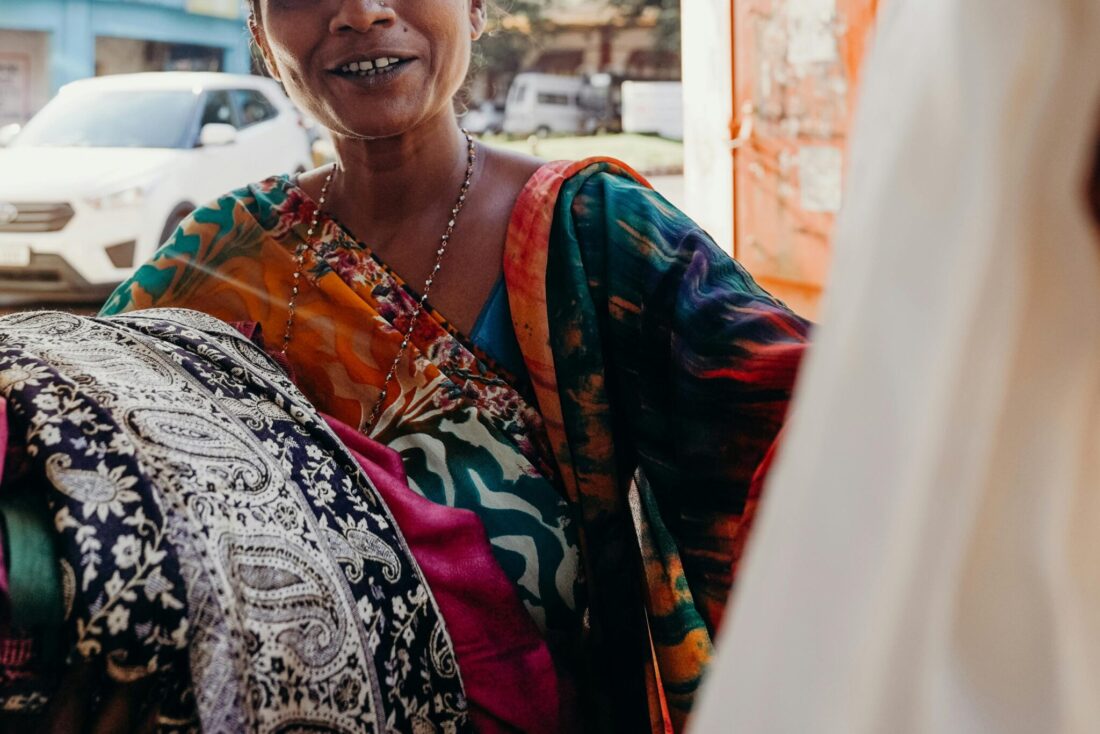
Silvester describes Loisaba not as a project but as a living system that thrives when everyone involved feels ownership. The Samburu and Maasai who live around the conservancy are mainly pastoral communities, and programs to ensure their well-being are intertwined with conservation. The conservancy employs about 500 locals as rangers, guides and hospitality staff. It has also funded 83 scholarships, 23 health care initiatives and 4,120 school children have been provided with daily meals, further tying education and community prosperity directly. The conservancy even runs a livestock program that allows grazing during droughts in exchange for conservation-friendly practices.
“Tourism is a critically important driver of revenue to be able to sustain this stuff. Between two-thirds and all [of] our budget is our own generated revenue from tourism and livestock and other smaller business lines,” he says. “Without the driver of the tourism that gives you the unrestricted funding that you need, it just wouldn’t work.”
His approach embodies conscious leadership by listening to the needs of the land and people, creating alignment and using empathy as a strategic advantage. This ensures that growth, empowerment and conservation all reinforce each other.
How Does Tourism Fund Conservation at Loisaba?
Tourism is a vital lifeline for Loisaba, funding anti-poaching patrols, community programs and habitat restoration. The conservancy’s three lodges—Elewana Loisaba Lodo Springs, Elewana Loisaba Tented Camp and Elewana Star Beds—offer more than luxurious stays. They provide immersive experiences where guests can witness wildlife up close, tour the command center, meet an anti-poaching dog unit and learn firsthand how conservation, community and business work together. Every visit becomes a chance for travelers to contribute to the landscape’s protection, turning tourism into a force for both ecological and human prosperity. “I think it’s so important to remain hopeful, and a lot of my job and role is to create a hopeful story. People will move towards that,” he adds.
How Many Rhinos Has Loisaba Reintroduced to Kenya?
In early 2024, Loisaba made history under Silvester’s leadership by introducing 21 eastern black rhinos—one of the largest rhino translocations in Kenya’s history. The operation involved helicopters, cranes, veterinarians and community coordination. In 2025, 10 southern white rhinos returned, signaling another conservation victory and a new chapter in a leadership that prioritizes purpose. Silvester says the journey to get to this point was inspired by interaction with the locals and seeing how important the rhino was to them beyond its totemic value. Many recall seeing them in their youth and now want their kids and grandkids to experience them in the bush as well.
What Leadership Lessons Come From Running a Wildlife Conservancy?
Silvester’s leadership extends far beyond conservation. “I think one’s always gotta be very careful when you’ve come from building a whole thing that you [don’t] become a bit of a controller,” he notes. “I believe my leadership model is one about creating ownership and your department’s your thing. I’m there to give some guidance, but they know, perform and own it.”
Some other lessons include:
Empowering local voices: “You don’t tell people what to do. You say, ‘This is a way to do it. These are the reasons for doing it. How do you guys work with you?'... It’s a two-way street.”
Think holistically: “Because of the level of security and protection you need for rhinos, they become a sort of umbrella species, and [because] they’re well protected in the environment as well, everything else takes advantage logically. So, it has a really positive effect.”
Redefining success: “We’ve been running a scholarship program here since 1998, and it’s been really heartening to see some of the graduates [who] have come out of it that have ended up being leaders.”
On my last evening at Loisaba, I enjoyed a sundowner with the Lodo Springs lodge manager. Nearby, a rhino, relocated the previous night, explored her new domain. It felt symbolic to witness this “return home” not just for the rhinos, but for the people and values that define true leadership. And in that moment, Silvester’s words rang true: “I think in the absence of people, you don’t need conservation. Therefore, conservation is about people, and it would be perfect if we didn’t mess it up.”
In a world where leadership often prioritizes short-term goals and self-interest, Silvester stands as a reminder that conscious leadership begins with awareness of self, others and the planet we share.
Image courtesy of Karthika Gupta
This article was first published in the May/June 2026 issue of SUCCESS® magazine. Get your copy here.