JPMorgan Chase just signed its first-ever deal in college athletics, and it’s not a small one. The bank will pay Ohio State nearly $17 million a year for jersey patch rights across all 36 of the university’s varsity teams, one of the biggest non-apparel corporate deals in college sports history.
Here’s why this matters beyond the scoreboard: A bank just paid more for a patch on a college jersey than plenty of professional sports sponsorships cost. That’s not a marketing budget decision. It’s a signal about where JPMorgan believes its next generation of customers, and its next generation of talent, is actually coming from.
Inside the Record-Breaking JPMorgan-Ohio State Deal
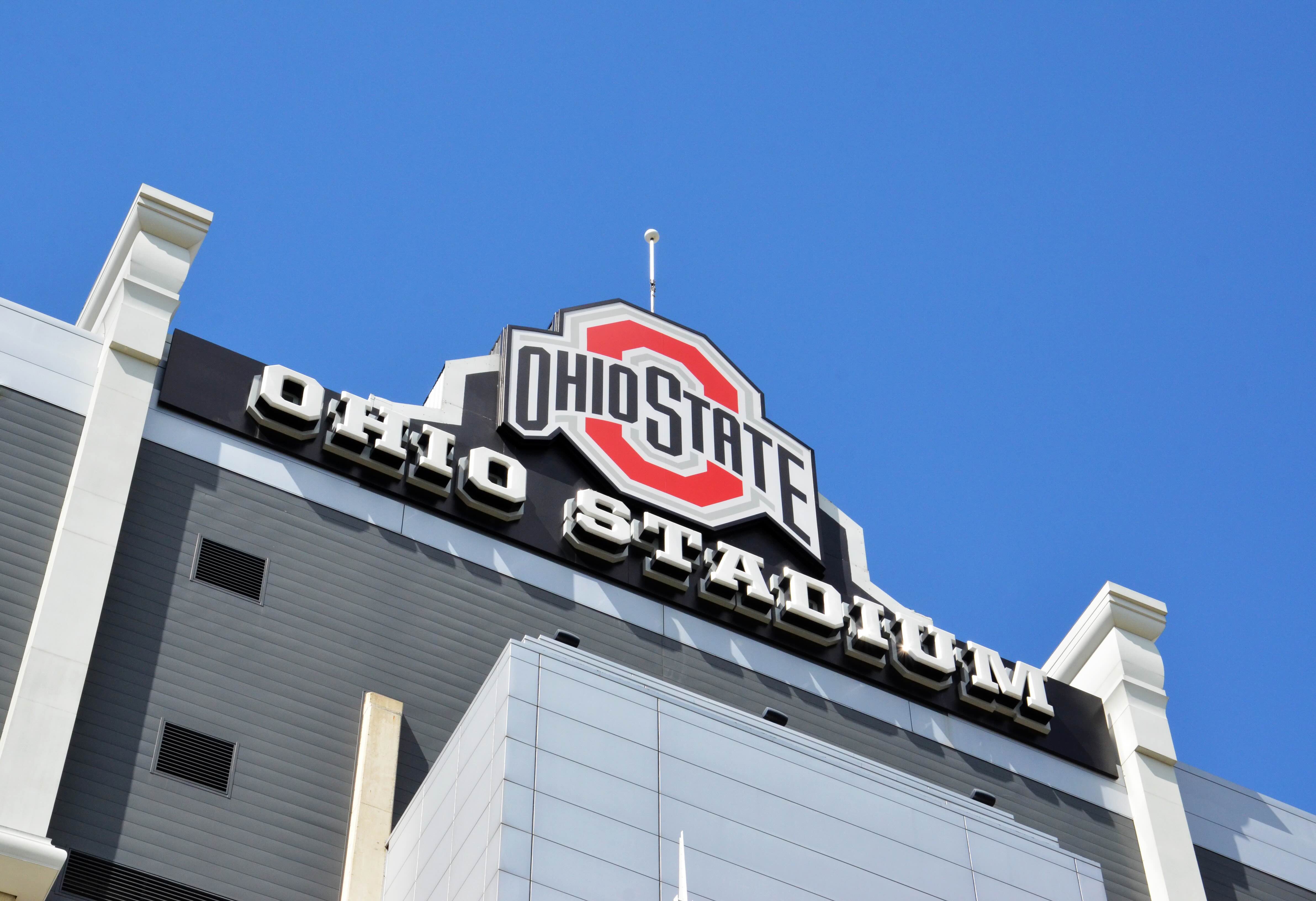
The numbers are specific and public. According to Ohio State Athletics’ own announcement, Chase becomes the official bank sponsor of Ohio State Athletics, with its logo appearing on every varsity uniform starting with football’s season opener on Sept. 5. The deal also makes JPMorganChase the presenting sponsor of a new private club at Ohio Stadium and expands its branding across the university’s major athletic venues.
ESPN reports the partnership also includes financial literacy resources and career development programming for athletes, not just logo placement. JPMorgan isn’t just buying visibility. It’s building a relationship with a talent pool years before those students become potential customers, employees or business partners.
Why Banks & Corporations Are Suddenly Chasing College Athletes
This deal makes far more sense once you understand how much college sports has changed. Athletes can now earn money from their name, image and likeness, commonly called NIL, and the Leavey School of Business at Santa Clara University notes this shift has turned college sports into a genuine commercial marketplace, not just an amateur showcase.
The scale is bigger than most people realize. Research shows the NIL economy across all college sports is worth roughly $2.7 billion in 2026, with athletes increasingly working with agents, accountants and managers, the same professional infrastructure that surrounds any working professional. Schools can now share up to $20 million to $22 million per year directly with athletes on top of that, separate from outside endorsement deals entirely.
The key is to recognize what changed. College athletes are no longer just talented students. They’re early-career professionals with real audiences, real earning power and real brand value, and companies that treat them that way now have a meaningful head start on the ones still treating them like a traditional sponsorship afterthought.
You’ve probably heard college sports described as having “gone pro” over the last few years. The JPMorgan deal is one of the clearest proof points yet, one of the largest banks in the country treating a university athletic department the way it would treat any other major commercial partner, down to the career development programming.
The Business Lesson: Investing in Emerging Talent Before Everyone Else Does
But it doesn’t stop there. JPMorgan didn’t wait for college athletes to become famous professionals with agents and endorsement portfolios already locked up by competitors. It moved when the relationship was still buildable, when a financial literacy program or a career development partnership could actually shape how a 20-year-old thinks about banking for the next 40 years.
The same logic applies to any business trying to build loyalty with the next generation of customers or talent. Industry leaders note that by the time an audience is obviously valuable, the price of entry has already gone up and the relationship already belongs to someone else. The businesses that win long-term relationships are usually the ones who showed up before the market fully priced in the value.
What This Means for Your Own Brand Partnerships
Start by asking where your own version of “college athletics in 2020” might be right now, a category, community or emerging talent pool that’s clearly gaining value but hasn’t been fully commercialized yet. That’s where a smaller, more genuine partnership now can be worth more than a much larger deal once everyone else notices.
If you’re a solopreneur or small business owner, you don’t need JPMorgan’s budget to apply the same principle. Building a real relationship with a rising creator, a growing local organization or an early-stage community before it’s obviously valuable costs far less than partnering with it after the price has caught up to its actual reach.
How to Apply the ‘Get There Early’ Strategy
The mechanism JPMorgan is using isn’t complicated: identify a talent pool with rising value, offer something genuinely useful rather than just a logo placement, and commit before the relationship becomes competitive. Financial literacy resources and career development support are the actual product here; the jersey patch is just the visibility layer sitting on top of it.
Your version of this might be mentorship instead of banking education or early access instead of stadium branding. The specific offer matters less than the timing. Being early and useful beats being large and late in almost every version of this strategy.
This also works as a filter for partnerships you’re offered, not just ones you initiate. If a potential partner’s main pitch is visibility rather than genuine value to the audience you both care about, that’s usually a sign the relationship is arriving late, after the value has already been priced in and the easy wins are gone.
Your Next Move
JPMorgan’s $17 million bet isn’t really a story about a bank or a college athletic program. It’s a live example of a company recognizing where value is about to concentrate and moving before that value gets fully priced in by everyone else.
Look at your own industry the same way this week. Somewhere in it, there’s a rising group of people or a growing niche that’s still underpriced relative to where it’s headed. The businesses that show up there now, with something genuinely useful to offer, are the ones writing next year’s version of this story.
Featured image from Susan Montgomery/Shutterstock