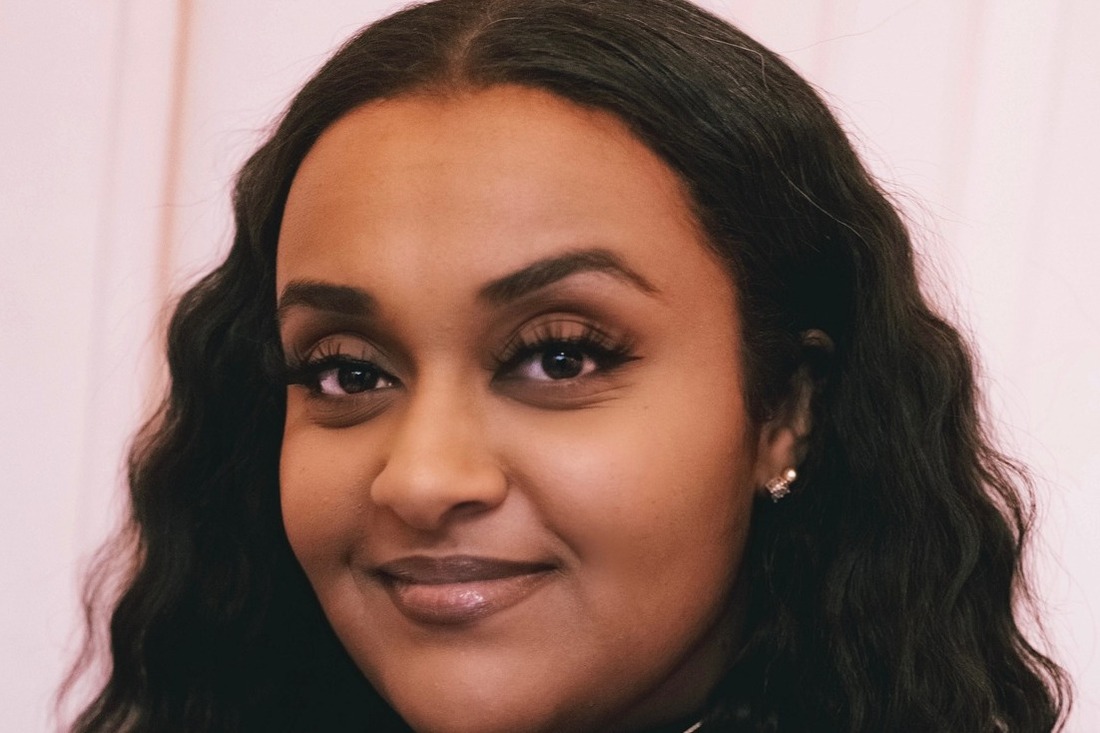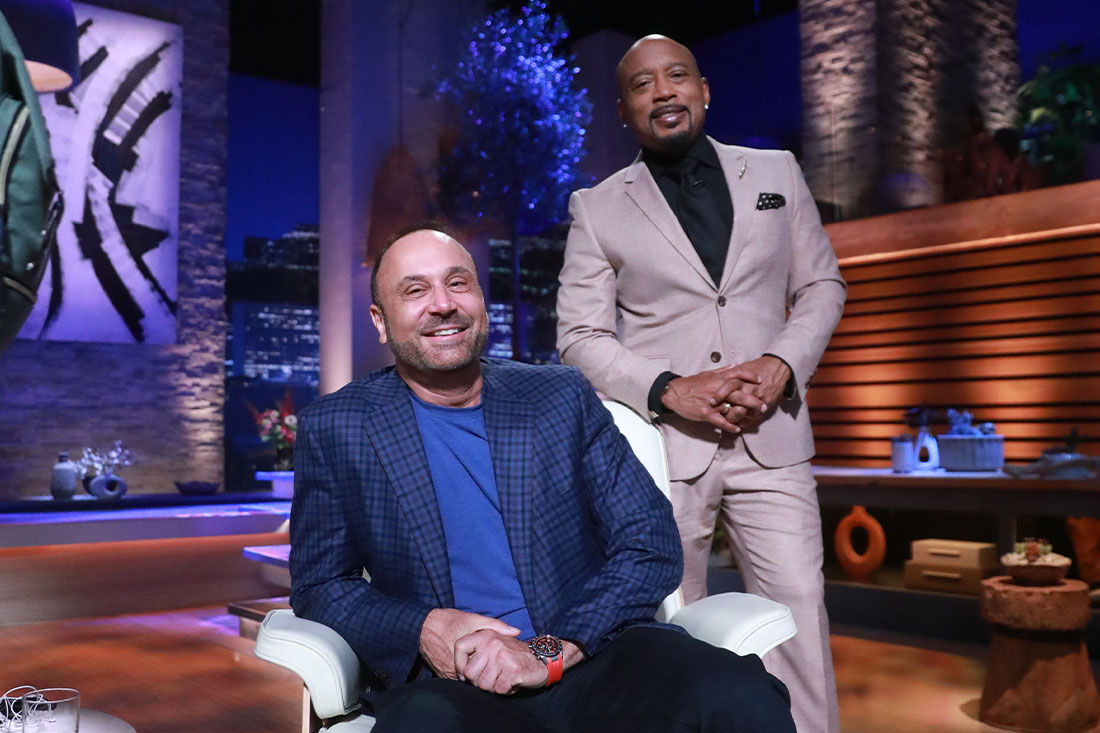
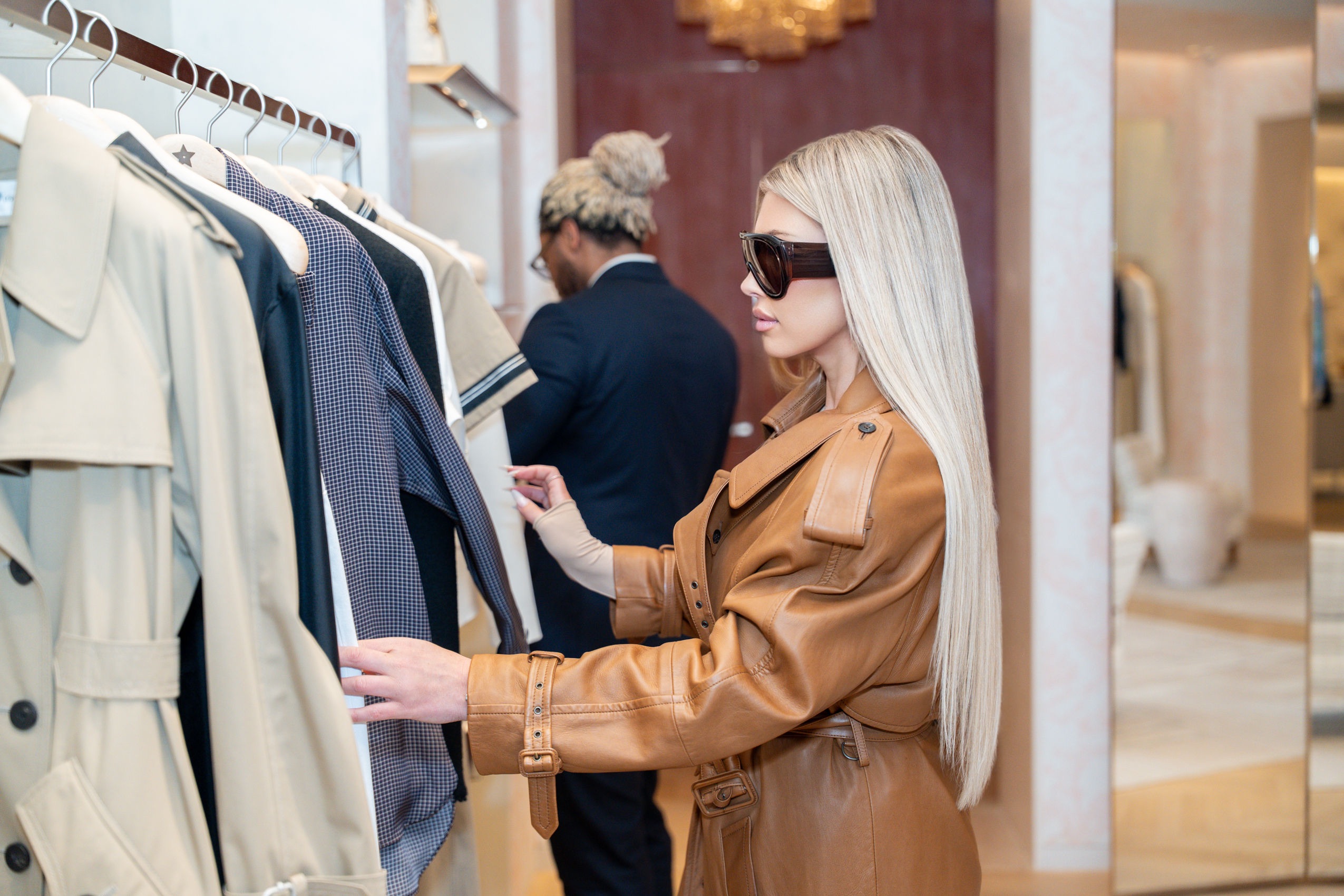
Bringing personalized fashion to Los Angeles’ pool of athletes, artists, professionals and more, wardrobe stylist and consultant Mary Francis is an authentic creative with a keen eye for style. With a decade of diverse experience in the fashion industry, she’s helped advance corporate clothing brands while guiding clients in personal styling and wardrobe management. Her fashion design and style focus on elevated clothing for men and women. Here are some of her insights as a creative.
SUCCESS: You see fashion as integral to both your career and personal life. How did you carve your path to becoming a fashion stylist?
Mary Francis: I always knew I wanted to be in fashion, even if I didn’t initially realize styling would be my path. What I did know was that I was drawn to the space. Early on, I explored different sides of the industry—buying, wholesale, working with brands in New York—and gained a strong understanding of the corporate landscape. That foundation ultimately led me toward the creative side, where I discovered I wanted to build something of my own.
In 2016, I launched a clothing line creating basketball shorts from vintage NBA jerseys, and that became a turning point. Through that work, I connected with an NBA player, Ja Morant, which opened the door to styling. That’s when everything clicked. I realized I had a natural eye for menswear—being able to find beauty in overlooked pieces and bring them together in a way that feels thoughtful and intentional.
S: As a stylist, having a sharp eye for aesthetics is at the forefront of your skills. How do you define your brand and style expression?
MF: My approach is rooted in a deep understanding of people. I’ve spent time studying how to truly read my clients—who they are, how they move and what naturally draws them in. For me, it always begins with emotion before business, guided heavily by intuition. By building genuine relationships and getting to know my clients on a deeper level, I’m able to interpret who they are and translate that into how they present themselves visually. My style isn’t about imposing a look. It’s about creating something that authentically reflects the individual.
S: Confidence is everything. How do you embody this yourself and share it with others?
MF: Confidence was instilled in me early on. My dad and mom always believed in me and supported whatever I chose to pursue, which gave me a strong foundation. Over time, I’ve learned that confidence is something I actively cultivate. It comes from how I take care of myself mentally, physically and emotionally. I’m very intentional about that.
I also believe in the power of visualization. I’m clear about what I want for my life, and I don’t compromise on that, no matter how busy things get. When you feel grounded and aligned within yourself, it naturally shows in your energy—and people can feel it. That’s the presence I strive to bring into every space I enter and every client I work with.
S: How do you balance the creative and business sides of being a stylist?
MF: Honestly, the business side makes up the majority of it—something people don’t always realize. It’s probably 90% structure, organization and discipline. The creative side, though, is constant. I can’t turn it off. Ideas come to me all day, every day, no matter where or what I am doing.
For me, balance comes down to consistency and structure. I stay highly organized, schedule everything and remain committed to my process. That discipline is what creates the space for creativity to flow.
S: What is your step-by-step approach to styling someone?
MF: It all starts with instinct when I first meet with them in person. Much of what I do is guided by gut feeling, but there’s a clear process behind it. First, I take the time to assess the client—who they are, their lifestyle and how they want to be perceived. Understanding them on a deeper level is always the priority.
From there, I develop a vision that feels true to them, and then apply my knowledge of fashion and the industry to bring that vision to life in a way that feels authentic. Every client is different, so the process is always tailored. That’s what makes the work both challenging and incredibly rewarding.
S: Many of your clients are from the athletic industry. What has your experience been styling them? Who else is in your client pool?
MF: Styling athletes feels natural to me because it’s where I began. There’s a certain energy to it—especially with basketball players—and a unique challenge in finding pieces that truly complement their build and presence. I’ve also styled BMF star Da’Vinchi, record producer and song writer Turbo, and business professionals, and while each space requires a different approach, the foundation is always the same. It comes down to understanding the individual and applying my creative perspective in a way that elevates and reflects who they are.
S: What ambitions did you have when you first started out, and how have those evolved?
MF: From a young age, I knew I wasn’t meant to follow a traditional path. I’ve always seen myself creating my own lane and moving on my own terms. I’ve carried a clear vision for my life for as long as I can remember, and more importantly, I’ve trusted it. A lot of that comes down to belief—understanding the power of manifestation and what’s possible when you truly back yourself. That ambition has never faded. It’s something I wake up with every day, knowing that as long as I stay focused and aligned with my vision, I can build whatever I set out to create.
S: What advice would you give to aspiring creatives?
MF: Set clear goals and take the time to understand what truly drives you, because everyone has that thing. You just have to identify it and commit to it. Be honest with yourself about what it takes to turn your passion into something sustainable, and learn how to make it work for you financially. Most importantly, don’t give up. There will be moments that feel like setbacks, but more often than not, they’re redirecting you toward something better. Stay disciplined, stay organized, trust your instincts and don’t get distracted by what anyone else is doing. Your path is your own.
Image courtesy of ©Kofi Dodi and Dodi Images
This article was first published in the September/October 2026 issue of SUCCESS Magazine. Get your copy here.