
Artificial intelligence (AI) is impacting numerous medical fields, including dentistry. Coupled with advancements in 3D modeling and biocompatible materials, AI technology is enabling faster, more accurate and more personalized treatments in dental implantology—even in cases previously thought to be untreatable. These new technologies are quickly becoming an essential part of global dental practice.
Proactivity for the implant industry
AI-powered imaging and diagnosis tools are especially advantageous in the implant industry, allowing for the generation of detailed 3D models of the jaw. With this technology, specialists can flag and address a range of potential issues, such as insufficient bone density, before surgery. This level of precision allows clinicians to plan surgical procedures down to the millimeter.
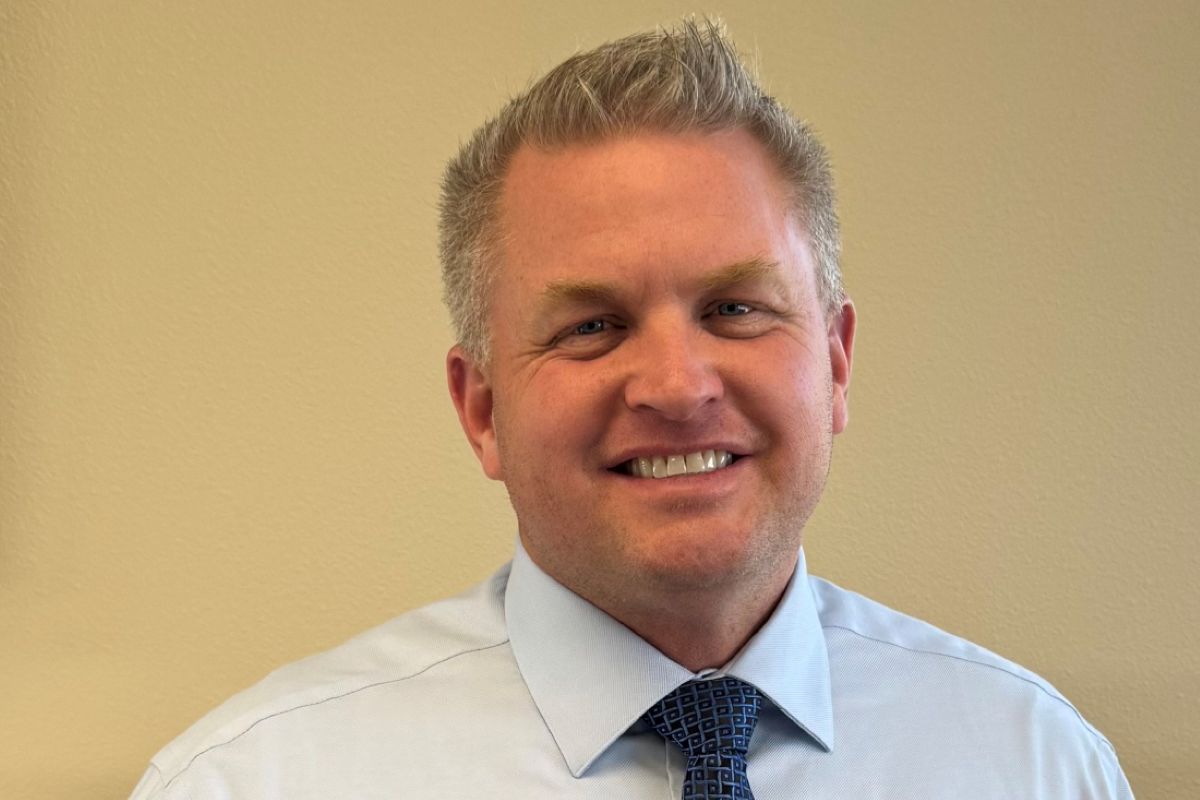
In dentistry, patients may be battling chronic infection or significant tooth loss. AI and related technologies can be highly beneficial in these circumstances. As Matt Larsen, DMD, of Yellowstone Family Dental explains, patients tend to ignore serious dental issues, which can create complications in a surgery.
“If this were anywhere else in the body,” Larsen points out, “it would be considered an immediate hospital admission. Yet in so many people’s minds, since it is dental-related, they view it very differently, and many people just walk around with active infections.”
The advanced imaging techniques put forward by AI technology and 3D modeling software enable the careful surgical planning necessary to help avoid these hidden complications. It empowers surgeons to adapt quickly, whether patients come in with large abscesses or severe bone loss. They can then restore oral health and functionality with a streamlined plan.
A surgeon’s tool, not a replacement
Augmented intelligence is well-suited for the surgery room, where it can assist the clinician in a complex task for the patient’s benefit. However, AI technology remains a tool for the surgeon, not a replacement for their needed expertise.
According to Manny Chopra, DMD., chair of the ADA Council on Dental Practice, the human experience, skill, and clinical judgement of today’s dentists are still vital, even as AI and related technologies continue to evolve.
Larsen explains his practice utilizes this technology. “We do the entire workflow ourselves,” he says. “AI highlights areas we need to focus on, and we design everything—from the guide to the final restorations—using 3D modeling.”
Biomaterial innovations: ZIRCONIA and titanium
Zirconia restorations, often placed on titanium implant frameworks, allow for improved strength, aesthetic appeal, and long-term durability in dental implants. While zirconia is a ceramic-like material used to create lifelike crowns or bridges, the implant fixtures themselves are typically made from either titanium or zirconia—not a bonded combination of both. In modern dental practice, zirconia prosthetics may be attached to titanium implant abutments, effectively mimicking natural teeth, but the base materials remain separate and are not chemically bonded into a single implant device.
Patients who might otherwise struggle with dentures or repeated infections can turn to a full-arch ZIRCONIA solution, which is often able to be completed in the same day. Such an outcome would have been out of reach only a few years ago. Supported by AI imaging technology, the process has only become smoother.
Helping to solve complex cases
These advancements in medical technology are proving to be highly beneficial in terms of dental implants. Dentists often face complex cases that require precision and accuracy, and they can have a significant impact on the patient’s wellbeing. As AI, 3D modeling and biomaterial innovations are integrated into the field, they are already changing outcomes.
“Most of my patients don’t have simple cases,” Larsen concluded. “They’ve been told elsewhere they don’t have enough bone, or they’ve struggled with chronic infection. With the technology we have, we can say, ‘Actually, we do have a way forward.’”
This article is for informational purposes only and does not substitute for professional medical advice. If you are seeking medical advice, diagnosis or treatment, please consult a medical professional or healthcare provider.