On a chilly afternoon in Manhattan, paparazzi photographed Hailey Bieber stepping into an Alo Yoga store wearing an oversized black puffer and a pair of limited edition charcoal green Airlift leggings. Within hours, these photos made their way across social media, complete with affiliate links for anyone ready to buy the exact look.
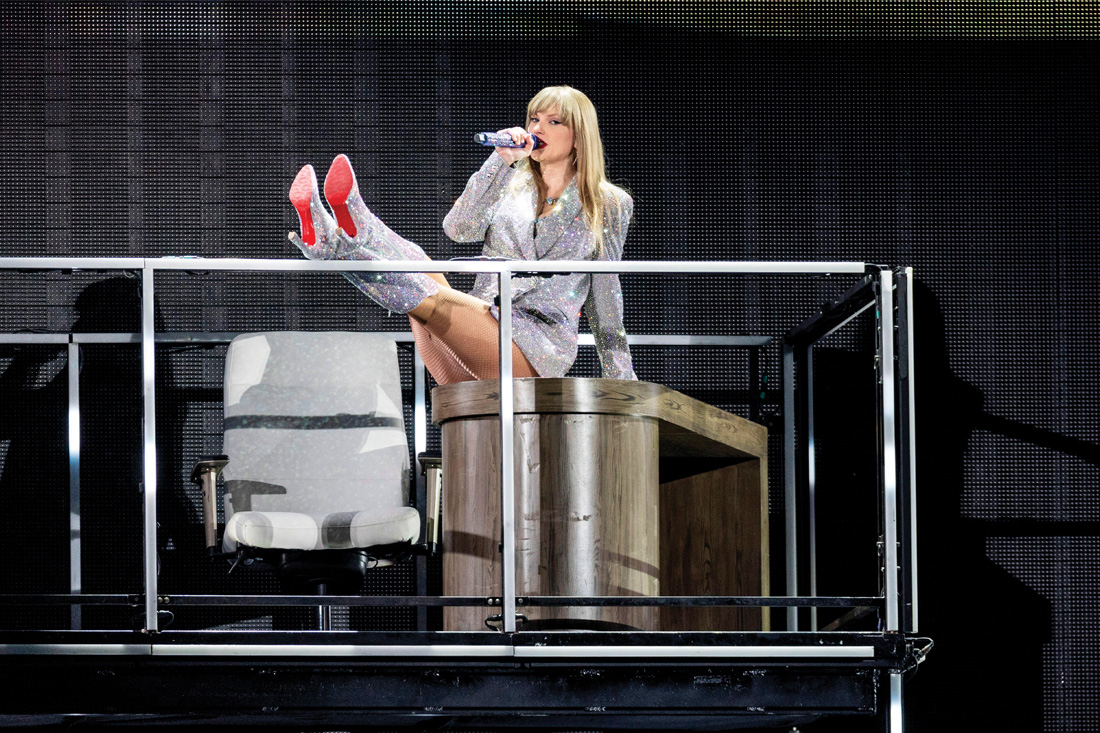
Moments like this happen often for Alo. Taylor Swift is often spotted in pieces, and so are Bella Hadid and Kendall Jenner. Even Joe Burrow has been seen wearing the brand off the field. Some partnerships are paid, but much of the exposure feels unplanned. It looks like real life, not a campaign.
This kind of visibility has helped Alo carve out a strong position in the crowded athleisure market. Alo carries a certain look: clean, minimal, slightly elevated. It reads as effortless, which is exactly the point.
Behind that image are Danny Harris and Marco DeGeorge, two longtime friends who are now worth nearly $5 billion each.
Alo’s Beginning
Long before Alo existed, Harris and DeGeorge were already building something together. As high school seniors, they began making shirts for a local business in Los Gatos, California.
That side hustle turned into a screen-printing company soon after graduation. Over time, they scaled it into Color Image Apparel, producing basics like shirts and tanks at a much larger volume. One of their brands, Bella+Canvas, would go on to become one of the largest shirt manufacturers in the United States.
Yoga entered the picture in a more personal way. DeGeorge had back surgery as a child and later turned to yoga as part of his recovery. Harris joined him, and it quickly became part of their routine. By 2007, the idea clicked. What started as a physical practice became a business opportunity. Harris and DeGeorge combined what they were already good at with something that had changed their lives. That business idea became “Alo”: air, land and ocean.
At the time, the athleisure category as we know it today didn’t exist yet. Lululemon was still a relatively new player, and most yoga clothing was functional but not fashion-forward. Harris and DeGeorge were well-positioned to fill that gap. Operating out of Los Angeles with an established manufacturing business, they set out to make yoga more accessible and relevant, not just through practice, but through what people wore every day.
The goal was simple: design products that support the lifestyle and bring more people into it.
The Strategy Behind Alo’s Appeal
Harris and DeGeorge realized early that people buy into how a brand makes them feel. Alo clothing supports yoga but also fits seamlessly into everyday life. You could wear Alo to class, grab coffee with friends or head to a casual meeting and still feel chic. That dual-purpose approach expanded the audience far beyond dedicated yogis.
The duo doubled down to reinforce the Alo lifestyle with community events, retreats and online classes to make customers feel part of something bigger.
Yoga was the starting point, but community and experience became the glue. This consistency in identity and purpose built loyalty, helping the brand scale without relying solely on paid advertising or fleeting trends.
By focusing on lifestyle, Harris and DeGeorge created something customers could integrate into daily routines. That sense of belonging turned casual buyers into lifelong fans, and that loyalty laid the foundation for explosive revenue growth. In an interview with Vogue Business, Harris said, “We’re not going to the club. We’re going to the pilates studio.”
Luxury lifestyle as we know it has shifted from clubs and bottle service to high-end gyms and $20 Erewhon smoothies. Wellness is now the social currency of affluent life, reflecting the shift towards a preference for lifestyle products. Alo positioned itself right at the center of that change.
Alo Moves Event 2026
Alo Moves, the brand’s digital fitness platform, shows how Harris and DeGeorge turned a product into an ecosystem.
Offering yoga, meditation and fitness classes online meant the brand stayed relevant in people’s lives between purchases. Digital access kept engagement high and helped Alo cultivate a global community.
Now, the brand is bringing those connections into the real world. On Friday, April 3, 2026, Alo Moves hosted the Alo Moves Retreat x Waldorf Astoria Los Cabos, a multiday immersion in yoga and wellness.
By tapping into memorable and shareable experiences, Alo reinforces emotional loyalty, making customers feel part of something exclusive and aspirational.
Harris and DeGeorge consistently find ways to add value and experiences that deepen connections. By integrating both online and offline touchpoints, they turned the Alo brand into more than a viral gym set; it became a lifestyle craving for consumers, creating multiple revenue streams while solidifying the brand’s cultural cachet.
Billion-Dollar Brand Formula
Danny Harris and Marco DeGeorge didn’t try to build a brand for everyone. Harris has been explicit about that focus. The goal was never to dominate every category or chase every trend. Instead, they committed to one vision and a disciplined approach.
That made Alo easier to recognize and trust as it scaled.
For years, that growth was steady. Alo expanded gradually, carving out space as a serious competitor to other athletic brands in the yoga and fitness market. Then 2020 changed everything.
As the pandemic reshaped how people lived and dressed, Alo’s “studio-to-street” approach matched the moment. Consumers wanted comfort, flexibility and pieces that worked at home and outside of it.
At the same time, celebrities and influencers were consistently seen wearing the brand as well. This combination pushed Alo into a new phase of growth, with sales surpassing $1 billion and nearly doubling in a single year, according to reporting from The Wall Street Journal.
Content became a major driver of that growth. Harris once said, “The future is in content,” and Alo leaned into that early. Through platforms like Alo Moves and a broader network of instructors, the company built what it calls the “Alo Family,” a community of thousands of yoga teachers and wellness leaders who actively share the brand’s message.
That kind of organic distribution is difficult to replicate and becomes more valuable over time.
In a 2021 interview, Harris shared that in the early years, they focused less on rapid expansion and more on staying grounded. They reinvested back into the company, prioritized creativity and kept the business moving forward without overextending.
That steady approach gave them the room to refine the brand and build a stronger foundation before scaling.
Put it all together and the path to a billion-dollar brand becomes clear:
Build on existing operational expertise
Rooted the brand in something personal and meaningful
Create a lifestyle, not just a product
Invest in content and community early and stay consistent long enough for it to compound
That’s what scaled Alo into the athleisure powerhouse brand it is today.
It’s easy to assume growth comes from one big moment. In reality, it comes from a series of aligned decisions made over time. Alo is a case study in what happens when those decisions reinforce each other instead of competing for attention.
The question to consider is simple as an entrepreneur: Are you building something that tries to reach everyone or something so clear that the right people keep choosing it?
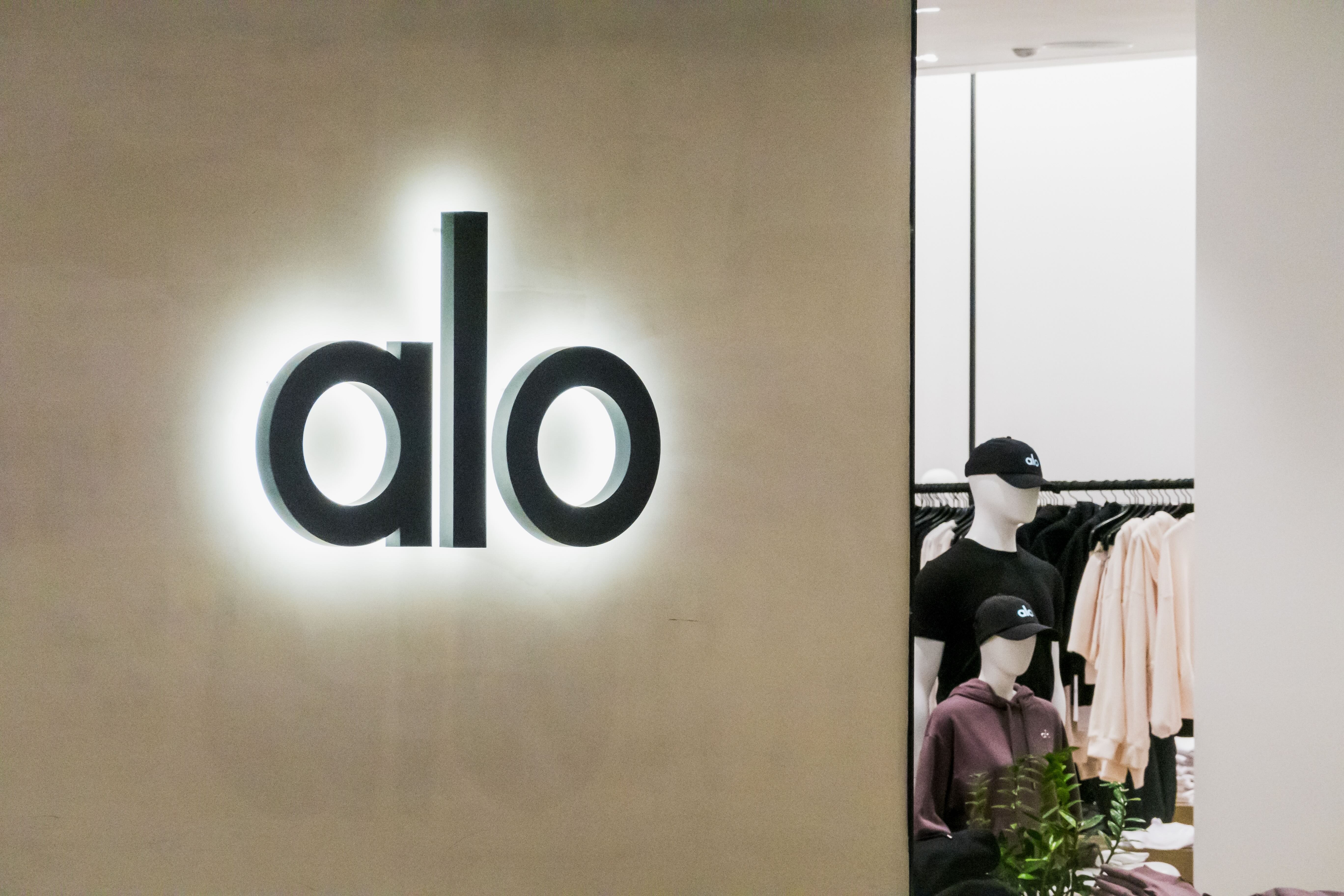
Featured image from Michael Berlfein/Shutterstock