
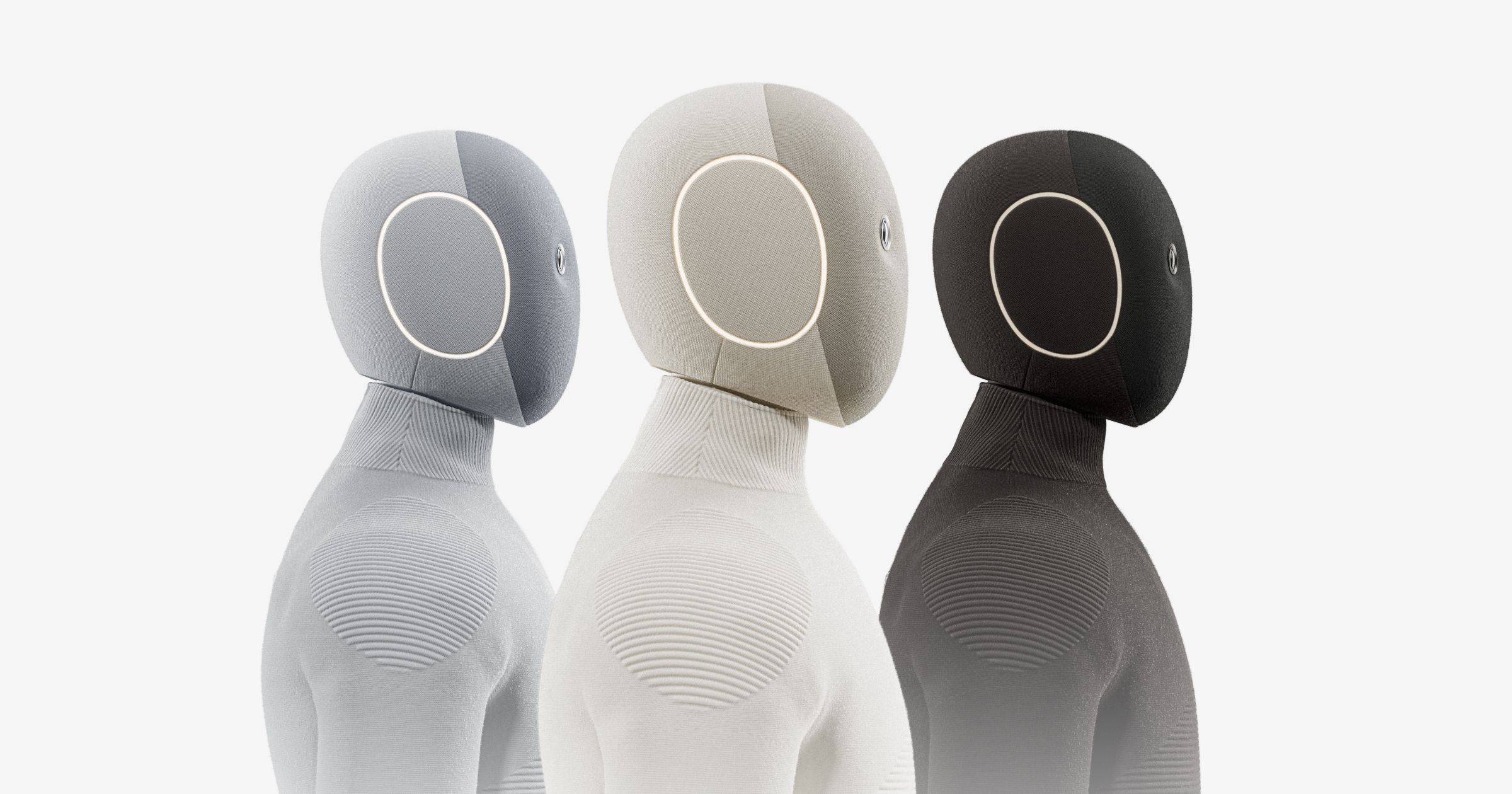
Something shifted this year. Home robots stopped being a trade show demo and started showing up at front doors.
UniX AI’s Panther—a 176-pound humanoid that stands just over 5 feet—has begun commercial deliveries, with footage of it making beds, cleaning counters and frying eggs in real homes. 1X’s Neo, available for $20,000 outright or $499 a month, is shipping to early adopters in the U.S. this year. Humanoid robotics startup Sunday raised a $1.15 billion valuation in March specifically to build household robots. LG’s CLOiD debuted at CES 2026, folding laundry and coordinating with other home devices.
This is no longer a prediction. The product category exists. The question worth asking now isn’t, “Will home robots happen?” It’s, “How should a high-achiever approach this?”
Why the Timing Decision Matters More Than the Tech
Every emerging technology category has an adoption curve, and where you enter it determines how much value you extract from it. Jump in too early, and you’re debugging hardware that isn’t ready. Wait too long, and the competitive window closes. For home robots, 2026 sits at a genuinely interesting inflection point, not because the technology is perfect, but because the gap between what it can do and what it costs is closing faster than most people realize.
According to IDTechEx’s 2026 humanoid robotics market analysis, the average selling price of humanoid robots is projected to fall from roughly $114,700 in 2024 to around $37,000 by 2030. The economics of early adoption aren’t primarily about cost savings today. They’re about positioning, learning and—for a certain type of ambitious person—genuine time recovery.
So, what does that mean for you right now?
The Honest State of the Tech (No Hype Required)
Here’s where Pillar VI discipline matters: The current generation of home robots is genuinely impressive and genuinely limited. Both things are true.
The 1X Neo can open doors, fetch items, empty the dishwasher and answer questions via its built-in language model. But when a Wall Street Journal reporter tested the unit, not a single task was completed fully autonomously. More complex chores currently require a remote human teleoperator, a 1X employee in a VR headset accessing the robot’s cameras. 1X CEO Bernt Børnich has been candid that the neural network is still in its learning phase and needs real-world data from home environments to improve. You’re paying $20,000 to be part of the training set as much as you’re buying a product.
UniX AI’s Panther is further along in commercial deployment—100 units are reportedly shipping per month—but the honest assessment from Engineering.com and Live Science is the same: impressive in controlled demos, unpredictable in messy real-world conditions. Homes change. Lighting shifts. Objects move. That variability is exactly what these systems are still learning to handle.
None of this is a reason to dismiss the category. It is a reason to think carefully about which type of early adopter you want to be.
The Time Math That Actually Matters
For a high-achiever, the ROI calculation for a home robot isn’t, “Can it clean my bathroom?” It’s, “What is my time worth, and what could I do with the hours this frees up?”
This is the frame that changes the conversation. A professional billing $300 an hour who spends six hours a week on domestic tasks—cooking, cleaning, laundry, errands—is spending $93,600 worth of their time annually on activities a robot could plausibly absorb within two to three years as the technology matures. Even at 50% task coverage, that math starts to look compelling.
The smarter near-term frame isn’t buying a $20,000 humanoid today. It’s building the habit of thinking in time-automation terms, identifying which hours in your week carry the lowest professional value and are the best candidates for delegation, whether to a robot, a service or a system. That cognitive shift is the real productivity upgrade, and you can make it right now regardless of whether you ever buy a robot.
Start by auditing your last two weeks: Which recurring tasks consumed an hour or more that required no judgment or creativity? Those are your automation targets. They’re where robot ROI will be highest when the technology is ready, and they’re where human delegation or service spending is often underutilized right now.
Three Categories Worth Watching (and One to Skip for Now)
Not all home robot applications are on the same timeline. Some are ready. Some are close. Some are years away.
Ready now, worth evaluating: Robotic floor cleaning has been functional for years, but 2026 hardware has changed the calculus. Roborock’s Saros Rover climbs stairs—a limitation that killed the category for multifloor homes for years. If you have a large home and spend meaningful time on floor maintenance, this tier of automation has a real payback period today. No human teleoperation required.
One to two years away: General household task robots like the Neo and Panther for routine, repeatable chores—laundry retrieval, dishwasher loading, counter clearing. The technology is arriving. The reliability for fully autonomous operation in a normal home isn’t there yet. If the subscription model ($499/month for Neo) appeals and you have tolerance for occasional human-assisted sessions, this is a reasonable early-adopter bet. If you need reliable, unsupervised operation, wait 12 to 18 months.
Further out than the hype suggests: Meal preparation, complex cleaning tasks and anything requiring nuanced environmental judgment. These tasks have far more variability than they appear to. Even the most advanced current systems struggle with the unpredictability of a real kitchen versus a demo kitchen. The five-to-seven-year timeline is more honest than the press releases.
The Decision Framework for Right Now
Three questions tell you where you should be in the home robot adoption curve today.
First, how do you feel about being a beta tester? Early home robot units are, by design, training data collection devices. That’s not a criticism; it’s the honest business model. If contributing to the improvement of a product you believe in while getting imperfect utility sounds like a good deal, early adoption makes sense. If you need the thing to work reliably and completely, you’re 18 to 24 months early.
Second, is your time genuinely the constraint? For some high-achievers, domestic task time isn’t the bottleneck. The bottleneck is mental load, decision fatigue or strategic focus. A robot that handles laundry but requires you to manage, monitor and troubleshoot it may add cognitive overhead rather than reduce it. Be honest about whether automation would actually create space in your life or just shift the maintenance burden.
Third, can you afford to experiment? The $499/month subscription model lowers the stakes significantly. At that price, this is a technology experiment with limited downside, roughly equivalent to several premium software subscriptions combined. The $20,000 purchase is a different calculation entirely and warrants waiting for a second or third generation product.
The home robot era is here. Whether it’s here for you, right now, is a question worth asking clearly and answering honestly.
Featured image courtesy of 1X