I’ve met a lot of people in business who are obsessed with acquisition. More customers. More doors. More followers. More square footage. More deals.
And listen, I understand it. Growth is exciting. It looks good on paper. It gives you something to point to.
But over the years, I’ve learned that owning more doesn’t automatically make you more valuable.
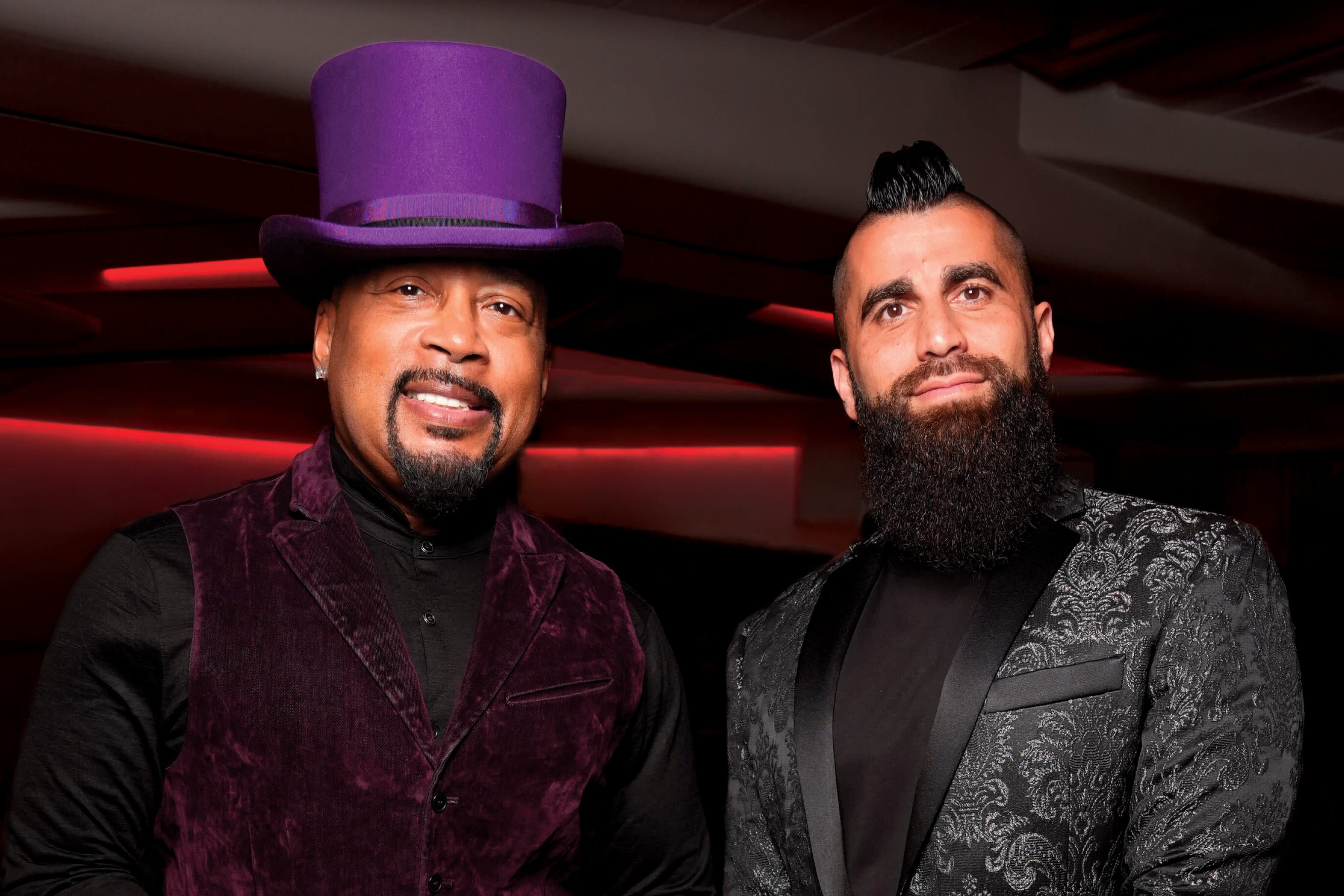
That’s one of the reasons I’ve enjoyed watching my friend Robert Rivani’s rise.
The other day, Robert walked me through his jaw-dropping new building in Miami Beach, Florida, and what struck me wasn’t just the size of it. It was the way he talked about it.
This is a state-of-the-art, seven-story Class X experiential office and retail building, complete with a speakeasy, gym, spa and the home of Playboy’s new global headquarters.
What he said to me was simple, but powerful: Most people look at an asset and ask what it’s worth today. He looks at it and asks what it can become if he goes to work and creates the most value possible for the customer.
Now that’s a different mindset.
Robert started young as an entrepreneur, got into real estate during a difficult market and built his reputation by repositioning spaces, attracting the right tenants and creating places people actually want to be around. That last part matters. Because in business, value is rarely created by ownership alone. It’s created by vision, effort and the ability to make something more useful, more visible and more desirable than it was before.
That lesson applies whether you own a building, a brand or a small business.
Too many entrepreneurs think the win is in the acquisition. Robert’s story reminds us that the real win is in the transformation. Filling the vacancy. Fixing the friction. Creating the experience. Bringing the right people into the ecosystem. Turning attention into demand. In other words: solving what others ignore.
That’s how value gets built.
And here’s what I respect most: He seems to understand that value creation is not about squeezing every dollar out of something. It’s about making the whole environment stronger—so the tenants win, the property wins, the brand wins and the community feels it, too.
That’s smart business. And it’s a sustainable business.
So here’s my challenge to you: Take a hard look at what’s already in your hands right now. Your company. Your team. Your network. Your product. Your reputation.
Don’t ask, “What else do I need to buy?”
Ask, “What can I improve so dramatically that people can’t ignore the value anymore?”
Because the biggest breakthrough in your business may not come from acquiring something new.
It may come from finally building the value in what you already have.
This article was first published in the September/October 2026 issue of SUCCESS® magazine. Get your copy here.