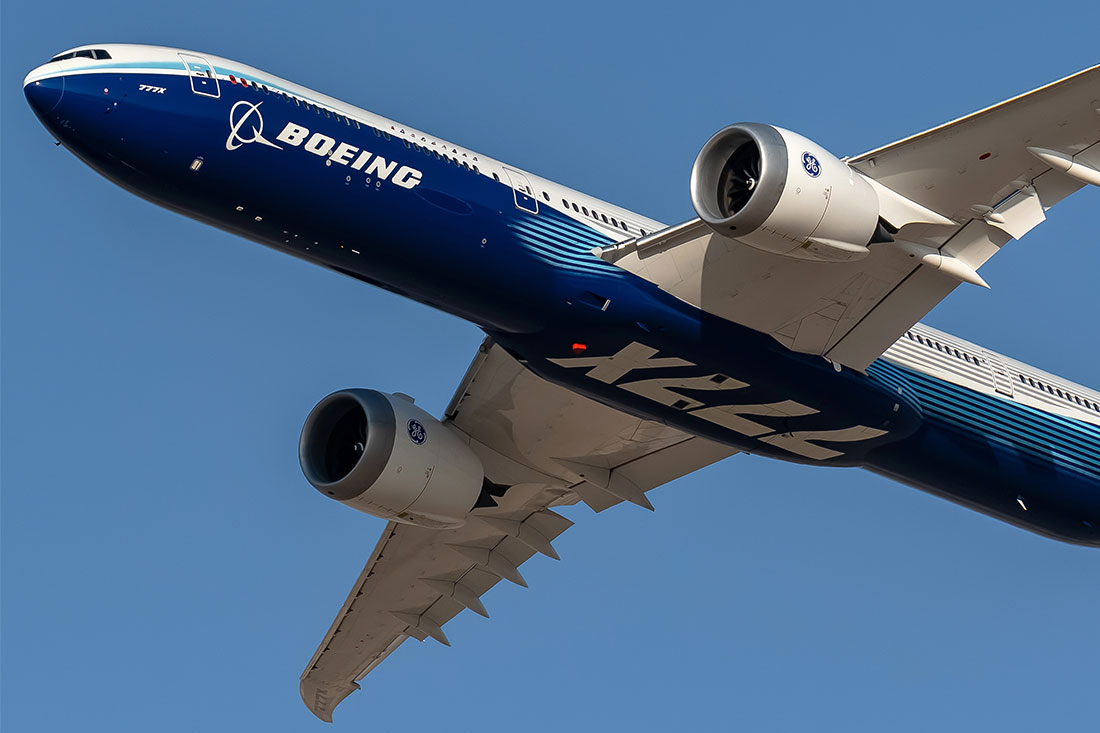

On July 23, the skies got busier than they’ve ever been. Flightradar24 tracked 153,359 commercial flights worldwide in a single day, the highest number ever recorded, beating the previous record of 139,237, set in the summer of 2023.
Here’s the part that makes this genuinely interesting instead of just a fun statistic: This record landed just weeks after industry data showed global passenger demand actually declining. Two numbers that should contradict each other are both true at the same time, and figuring out why tells you more about the state of business travel than either headline does alone.
Inside Aviation’s Busiest Day Ever
The record reflects the peak of Northern Hemisphere summer travel, with heavy activity concentrated over North America, Europe and Asia. Newsweek reported the milestone came despite recent headwinds facing the industry, a detail that’s easy to skip past but worth sitting with.
So what does this mean for you? A record-breaking day for global aviation isn’t just a leisure-travel story. Flight volume at this scale requires airlines, airports and business infrastructure all running near capacity simultaneously, which is a meaningfully different signal than a single busy holiday weekend.
You’ve probably heard that global air travel still hasn’t fully recovered from the disruptions of the early 2020s. This record says otherwise, at least in terms of raw volume. Airlines aren’t just filling seats on existing schedules; they’re running more flights than the industry has ever operated on a single day, anywhere, in recorded history.
The Paradox: Records & Weak Demand at the Same Time
The tension here is real, not a reporting error. Global air passenger demand actually fell 2.2% in May 2026, according to IATA, largely driven by a steep drop in Middle Eastern carrier traffic tied to regional conflict disrupting routes in that area. Demand outside that specific region, in Europe, Latin America and Africa, remained solid throughout the same period.
The key is to recognize that global aggregate numbers can hide a much more specific story. A regional disruption can pull down a global demand figure even while the rest of the world’s travel activity keeps climbing toward records. Reading only the top-line percentage would have told you travel was shrinking. Reading the record flight count tells you the opposite is closer to the truth almost everywhere else.
This is a pattern worth recognizing beyond aviation. Any global statistic is an average of very different regional and sector-level realities, and the businesses that make better decisions are usually the ones asking what’s underneath the number, not the ones reacting to the headline version of it.
What’s Actually Driving the Numbers: Business Travel Is Back
But it doesn’t stop there. Research shows the more interesting driver behind this resilience is business travel specifically, not just vacationers. Global business travel spending is projected to hit $1.64 trillion in 2026, according to the Global Business Travel Association, the first calendar year to definitively surpass the pre-pandemic 2019 benchmark.
That recovery has been building steadily, not happening all at once. Spending climbed from $1.34 trillion in 2023 to roughly $1.57 trillion in 2025 before this year’s projected jump. Corporate travel managers are notably more optimistic too, with 61% describing themselves as optimistic about 2026, up sharply from 50% just a year earlier.
What This Means if You Travel for Work or Run a Travel-Dependent Business
If your business depends on business travelers, hospitality, event planning, corporate services, client-facing consulting, this data says the recovery isn’t a hopeful projection anymore. It’s already showing up in both flight volume and corporate spending simultaneously, from two completely independent data sources.
If you’re the one traveling for work, this also explains a feeling you may already have: Flights feel more crowded, and business travel budgets feel less constrained than they did even two years ago. That’s not your imagination. It’s a real, measurable shift back toward pre-2019 norms, arriving faster than most projections expected.
U.S. business travel spend specifically is projected to top $329 billion in 2026, continuing steady 4%-5% year-over-year growth since 2023. If you’ve been holding off on in-person client visits, conferences or team offsites because you assumed the industry was still recovering, the underlying numbers suggest that hesitation is now more outdated than the budget line item it’s protecting.
How to Read Macro Headlines Without Getting Fooled by Them
Start by treating any single macro statistic as a starting point, not a conclusion. A headline that says, “demand is falling” and a headline that says, “travel just hit a record” can both be accurate descriptions of the same month, depending on what’s being measured and where.
Try this approach the next time an industry-wide statistic affects a decision you’re making: Ask what’s specifically driving the number before you act on the top-line figure. A global average can be dragged down by one disrupted region while the market you actually operate in is doing the opposite.
Your Next Move
Aviation’s record day isn’t really a story about airplanes. It’s a reminder that the business environment you’re actually operating in is often more specific, and often more resilient, than the aggregate headline suggests.
If a broad industry statistic has been shaping a recent decision, this is a good week to check the numbers underneath it. The record flight count and the falling demand headline were both true. Only one of them was useful for planning your next move.
Corporate travel managers already made this adjustment, moving from cautious to genuinely optimistic in the space of a year. That shift didn’t happen because the headlines got better. It happened because the people closest to the actual booking data saw the recovery before it became a consensus talking point.
Featured image from PeopleImages/Shutterstock