FROM OUR CEO
My Path to Success
A s kids, my sister and I enjoyed playing “grown-up.” We would take on roles like businessperson or teacher and set the stage for hours of elaborate make-believe. One of us would dress up in Dad’s sports coat or Mom’s skirt, and we would surround ourselves with stuffed animal co-workers or classmates, piles of paperwork and files, toy phones, chalkboards and cups of “really hot” pretend coffee. Our concept of work mirrored our parents’ career paths. In fact, entrepreneurship never even crossed our minds—it was seen as unstable and too risky. Our paths were clear and never questioned: graduate high school, attend a good college, get a degree or two, or maybe even three, and land a respectable job. And that’s exactly what I did… at first.
Within a couple of years of diving into my first real job, I hit my first real ceiling. I worked fast, was driven by my own creativity and regularly pushed the boundaries of my corporate role and title. But there were no opportunities for growth, my compensation was fixed and, worst of all, I felt utterly uninspired. One afternoon, overcome with boredom, I resorted to playing chess online just to pass the time. That was the breaking point—I refused to spend one more minute watching the time tick by. I wanted to do something with my life that was meaningful and filled with purpose that leveraged my skills and passion and would push me out of my comfort zone. I was determined to forge a path where personal growth and earnings potential knew no boundaries. I decided to go into business for myself.
As a young entrepreneur, I had grand visions and ambitious goals. I had no idea how I was going to make my business work. But I believed in myself. I tried and failed many times. I learned from those around me. I also experienced incredible successes, all of which shaped me into the leader I am today.
Over the years, I’ve worn multiple hats—switching between entrepreneur and employee—always guided by a singular mission: to make a meaningful impact on people’s lives. When I am tapping into my overarching purpose of leading, inspiring, providing value and empathizing, the way I file my taxes becomes inconsequential.
Through it all, I’ve come to realize that the path to success is anything but straightforward; it’s riddled with twists and turns, setbacks and triumphs. And now, as I watch my own children play “grown-up,” my heart is full. They create clever roles as entrepreneurs, inventors, artists and social influencers. Will they follow the traditional path of higher education and conventional careers? Who knows? What truly matters is that they dare to dream big, set their sights high, push boundaries and understand that with unwavering determination and perseverance, any goal is within reach.

SUCCESS® magazine July/August 2024, Volume 67, Issue 4 (ISSN 0745-2489) is published bimonthly by SUCCESS Enterprises LLC, 5473 Blair Rd, Suite 100, PMB 30053, Dallas, TX 75231. Periodicals postage paid at Dallas, TX and additional mailing offices. POSTMASTER: Send address changes to SUCCESS magazine, P.O. Box 435 Congers, NY 10920. SUBSCRIPTIONS: U.S.A., 6 issues $24.99; Canada, 6 issues $36.99; International, 6 issues $49.99. To subscribe to SUCCESS magazine or to receive our free weekly newsletters and online exclusives, log on to SUCCESS.com. CUSTOMER SERVICE: For service on your subscription, including renewal, change of address or other customer service matters, call 800-570-6414, send an email to CustomerService@SUCCESS.com or write to SUCCESS magazine, P.O. Box 292144, Kettering, OH 45429. Please include your mailing label. ARTICLE REPRINTS: Call 866-782-2377. ARTICLE PROPOSALS and unsolicited articles can be emailed to Editor@SUCCESS.com or mailed to Editor, SUCCESS magazine, 5473 Blair Rd, Suite 100, PMB 30053, Dallas, TX 75231. Submissions specifically for SUCCESS.com should be sent to WebEditor@SUCCESS.com. SUCCESS magazine cannot process manuscripts or art material, and we assume no responsibility for their return. ©2024 SUCCESS Enterprises. All rights reserved. Material may not be reproduced in whole or in part in any form without prior written permission. Printed in the U.S.A.
©MIKE D’AVELLO

FROM THE EDITOR
Embracing Tomorrow’s Visionaries

STAR POWER Lilly Singh with Kerrie Lee Brown
Welcome to our Ambition issue—a celebration of the relentless drive and determination that propels individuals toward their goals and dreams. In a world brimming with possibilities and opportunities, ambition serves as the fuel that ignites innovation, fosters growth and transforms dreams into reality. Ambition is also a catalyst for positive change, both on an individual level and within society at large.
At SUCCESS magazine, we understand the profound impact that ambition has on the lives of entrepreneurs and aspiring leaders. It is the driving force behind every audacious idea, every bold decision and every breakthrough achievement. Whether you’re a seasoned entrepreneur charting new territories or a budding visionary taking your first steps toward success, embracing ambition is the key to unlocking your full potential.
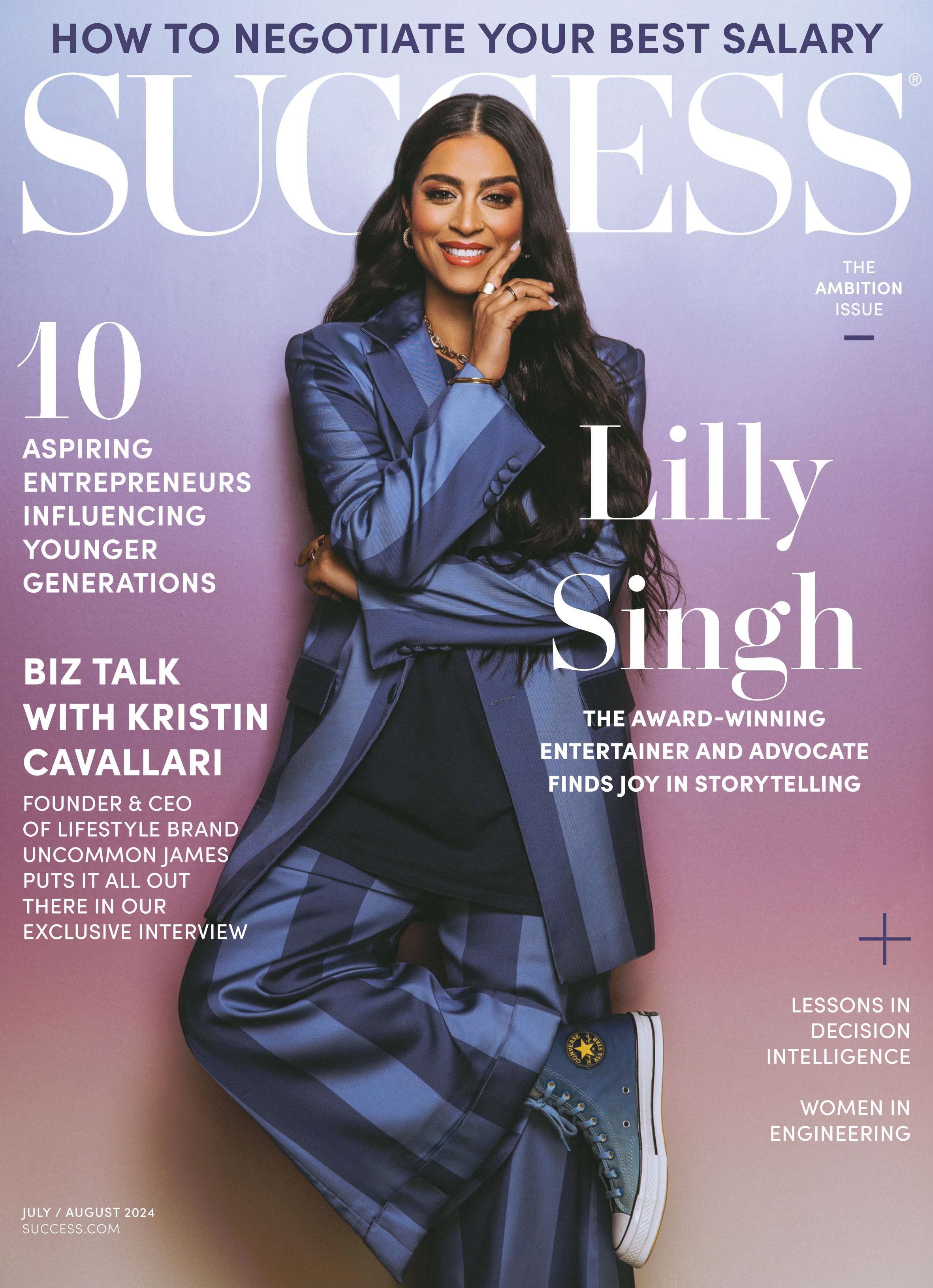
In this issue, we delve deep into the essence of ambition and its transformative power. From insightful interviews with trailblazing entrepreneurs to practical tips for cultivating a success-driven mindset, each article is meticulously crafted to inspire, motivate and empower you on your journey. Our cover star Lilly Singh is an incredible inspiration for young entrepreneurs all over the world. Hailing from Scarborough, Ontario, Canada, she started her career on YouTube in 2010 and has quickly turned her comedic nature and unrivaled talents into acting, hosting and now directing. Due to her fearless pursuit of her passions, innovative use of digital media to build a successful brand and dedication to breaking barriers no matter who you are or where you come from, Lilly is a role model for ambitious youngsters everywhere—and we can’t wait for you to learn more about her story (see here).
That’s why tailoring our content to emerging entrepreneurs is more important than ever before. As the traditional boundaries of work and entrepreneurship continue to blur, a new generation of innovators and visionaries is emerging, armed with ambition and a relentless drive to make their mark on the world.
By providing aspiring entrepreneurs with the knowledge, insights and inspiration they need to succeed, we empower them to overcome obstacles, seize opportunities and turn their ambitious visions into reality. But ambition isn’t just about achieving individual success—it’s also about making a positive impact on the world around us. From tackling pressing social issues to driving innovation and economic growth, ambitious entrepreneurs have the power to effect meaningful change and leave a lasting legacy for future generations.
As you dive into the following pages, I encourage you to reflect on your own ambitions and aspirations. What drives you? What inspires you? And most importantly, what steps can you take today to turn your dreams into reality?
Remember, success is not a destination—it’s a journey. And the path to success is paved with ambition, determination and a relentless pursuit of excellence. So, dare to dream big, embrace the challenges and never lose sight of the incredible potential that lies within you. Here’s to ambitious dreams, bold aspirations and a future filled with limitless possibilities.

What do you think about our latest issue? We'd love to hear from you! Email editor@success.com or connect with me on Instagram @KerrieLeeBrown.



SOFT LAUNCH
Niké Ojekunle
When it comes to the influencer world, Niké Ojekunle is no amateur. She built her career from the ground up creating videos, gaining a strong following and signing big brand deals. Until the rug was pulled out from under her by a talent agency that swindled her, owing her thousands of dollars. But that didn’t stop her. Unperturbed by the occurrence, she’s taking a new step in the influencer industry with her brand Specs and Blazers by teaching the up-and-coming about financial literacy.
Read more online at SUCCESS.com
COURTESY OF N. OJEKUNLE
SOFT LAUNCH
New & Noteworthy
AI FOR THE MASSES
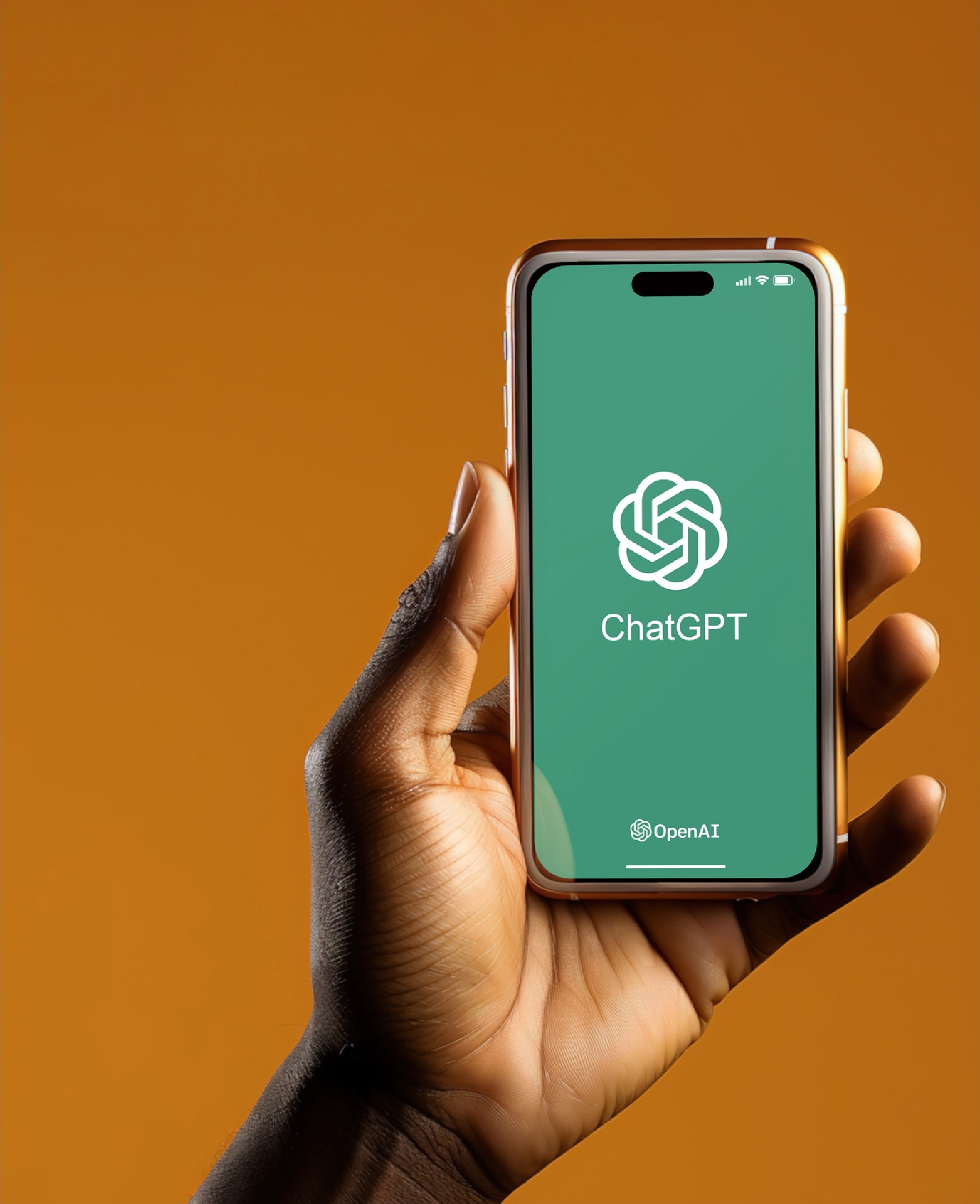
ChatGPT Breaks Record
Society has hotly debated the pros and cons of artificial intelligence (AI) since ChatGPT went mainstream last year. Although AI has been around for decades, the tech industry primarily understood what it was and how it worked. Now, after OpenAI debuted ChatGPT in November 2022 (swiftly followed by competitors like Google Bard, now known as Gemini, and Microsoft’s Bing Chat, now known as Copilot), everyone from real estate agents and lawyers to marketing pros and teachers tap its power to help them do their jobs.
Since its launch as a free tool, ChatGPT has gone viral as it continues to gain in popularity, according to Statista. In fact, the generative AI program garnered 1 million users in less than five days, setting a new benchmark for tech innovations. Tooltester notes that some OpenAI executives project revenue for ChatGPT (now with advanced paid versions) to reach $5 billion by the end of 2024.
PERSONAL TRANSFORMATION
Fuel a Reset with the Right Book
If you’re looking to reinvent your own life, let these books inspire you.
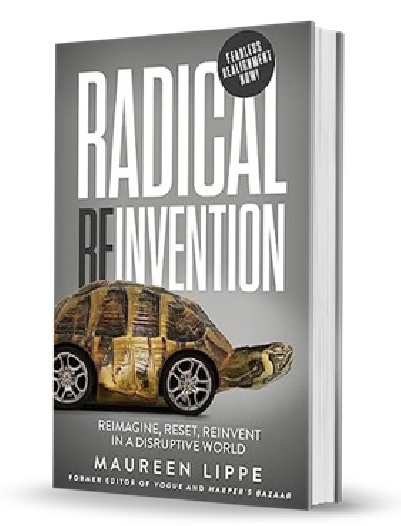
Radical Reinvention: Reimagine, Reset, Reinvent in a Disruptive World
Maureen Lippe, media entrepreneur and former editor of Vogue and Harper’s BAZAAR, shares her transformative journey after losing her husband to COVID-19. Lippe rebuilt her company and life, inspiring readers to embrace change.
Build the Life You Want: The Art and Science of Getting Happier
Tapping into research-based practices and offering practical tools, co-authors Arthur C. Brooks and Oprah Winfrey empower readers to take control of their lives by building pillars of joy—family, friendship, work and faith.
All It Takes Is a Goal: The 3-Step Plan to Ditch Regret and Tap Into Your Massive Potential
New York Times bestselling author Jon Acuff guides readers in planning achievable goals, navigating performance zones and fueling passions, providing a road map to a better future with actionable advice.

38% of all food in the U.S. goes unsold or uneaten.
AMBITIOUS FOOD SYSTEM ENDEAVORS
Putting a Dent in Reducing Food Waste
Did you know that a whopping 38% of all food in the U.S. goes unsold or uneaten? According to the nonprofit ReFED, that amounts to roughly 145 billion meals wasted a year, generating the same climate footprint as the country’s entire airline industry. ReFED itself spearheads transformative initiatives, such as the Insights Engine (a hub for food waste data and solutions) launched in February 2021. In 2022, the nonprofit debuted the Catalytic Grant Fund, allocating up to $20 million in grants to support nonprofit and for-profit ventures aimed at mitigating risks and scaling impactful food waste solutions.
But many other innovators—such as Zero Hunger | Zero Waste Foundation—are stepping up to help build a more sustainable food system. As The Kroger Co.’s social and environmental impact plan, this foundation supports nonprofit organizations, social entrepreneurs and creative thinkers aiming to improve food security and abolish food waste. In particular, its Innovation Fund supports innovators who are disrupting the linear supply chain with solutions that tackle everything from imperfect produce lines to upcycled foods and meal kits. In 2022, the foundation provided $11.3 million in grants directed to organizations and initiatives across the U.S.
DIEGO THOMAZINI//SHUTTERSTOCK.COM; URSA STUDIO/SHUTTERSTOCK.COM
SOFT LAUNCH | SUCCESS INTERVIEW
Kristin Cavallari
The founder & CEO of lifestyle brand Uncommon James embraces entrepreneurship with grace and grit.

“I THINK THERE’S A LOT OF BEAUTY IN DOING THE BEST YOU CAN AND THEN LETTING IT ALL GO.”
A chieving harmony within one’s personal and professional life can often seem like an elusive goal. However, Kristin Cavallari, best known for her role on reality television, is a shining example of how one can successfully navigate the complexities of being a well-rounded entrepreneur, mom and business owner. Today, she is the founder and CEO of the lifestyle brand Uncommon James and host of the popular podcast Let’s Be Honest with Kristin Cavallari.
And, if I’m being honest—there’s nothing she can’t do.
Cavallari’s journey into entrepreneurship began long before Uncommon James. Rising to fame through reality TV, she transitioned from being in the spotlight to building her own brand empire. While many may assume that her celebrity status paved an easy path to success, Cavallari’s entrepreneurial journey has been marked by resilience, determination and a commitment to staying true to herself.
One of the key lessons Cavallari emphasizes is the importance of embracing all facets of life, including motherhood, while pursuing entrepreneurial endeavors. Despite the demands of running a business, she prioritizes quality time with her children and strives to be a hands-on mom. By striking a balance between her professional and personal roles, Cavallari demonstrates that success is not measured solely by business achievements but also by the relationships nurtured and the memories created with loved ones.
As the CEO of Uncommon James, she has infused her brand with elements of her own lifestyle, creating a line of jewelry, skin care, apparel and home goods that reflect her chic yet accessible aesthetic. Her ability to connect with consumers on a personal level has been instrumental in the brand’s success, as she leverages her authenticity and relatability to resonate with her audience.
Beyond her entrepreneurial pursuits, Cavallari is also an advocate for self-care and mental well-being. She openly shares her journey of prioritizing her health and emphasizes the importance of carving out time for self-care amid the hustle and bustle of entrepreneurship and motherhood. By prioritizing her own well-being, Cavallari sets an example for others, demonstrating that self-care is not selfish but essential for long-term success and fulfillment.

SUCCESS: How do you balance being a mom and a business owner?
KRISTIN CAVALLARI: Being a mom has always been and will always be the priority. I have strict boundaries about work spilling over into family life, meaning I don’t let it happen unless it absolutely must. Luckily, it’s been a lot easier than it was a few years ago because of my incredible team at Uncommon James. During the pandemic, I hired my C-suite team and it’s the best decision I’ve ever made to alleviate a large part of my workload. Now, I’m just doing the creative things I love—designing, developing skin care products, planning the big campaign shoots, etc. That’s what I love (and why I started the company) and I can essentially do all those things from wherever.
S: The success of your lifestyle business Uncommon James has grown tremendously. How did you get started?
KC: I launched Uncommon James out of a room in my house in April 2017. It was successful right out of the gate, which I credit to my social media following, and then when I featured the company on my reality show, Very Cavallari, it catapulted us overnight to the next level. It was stressful to keep up with for a couple of years, but now we’re in a great place and I’m thankful that we’ve gotten over the startup hump.
S: What made you want to become an entrepreneur?
KC: I really wanted something to do as essentially a stay-at-home mom. I also had a shoe line at the time and learned a lot of what to do and what not to do, so I had this fire in me to show people that I knew what I was doing when it came to branding.
S: Are you still in the entertainment industry and what are your thoughts on switching careers and/or doing both?
KC: I would consider my podcast Let’s Be Honest with Kristin Cavallari as entertainment, but I’m not actively seeking an entertainment career anymore. I’ve curated my career to fit my schedule, live in Nashville and be my own boss with everything I do. That’s been a dream. I’m very happy not being in entertainment for the most part anymore. I would say most of my life is very normal.

Dainty earrings from Cavallari’s new jewelry line.
S: When it comes to pushing the boundaries in business and focusing on family, what grounds you?
KC: Definitely my kids, but also living out in the country and living a very normal life. Good friends and my mom. Meditating and cleaning my chicken coop. Haha! No, but seriously. It can be overwhelming at times. I’d be lying if I said I didn’t have stressful moments, but again, I’m extremely lucky because I can essentially make my own hours and I’m my own boss. I think about the moms who have 9-5s and how stressful that would be.
S: What is the hardest part about being an entrepreneur?
KC: I used to feel nothing was ever good enough—I guess I’m mostly talking about numbers. I’ve always wanted to keep growing and scaling at a rapid pace, but I’ve let all of that go (and, coincidentally, we just had the best year in the history of the company). So, I think there’s a lot of beauty in doing the best you can and then letting it all go.
S: Describe a typical day for you.
KC: Wake up at 6 a.m. to make breakfast and get lunches packed for the kids and then off to school at 7:30 a.m. I come home, workout and then shower. Every day is different (which I love). I’m either taping a podcast, editing a podcast, working on Uncommon James, or heading to the grocery store, etc. I pick the kids up at 3 p.m., make dinner and then we usually have sports. Showers, wind down and then bedtime by 9:15 p.m.
S: What makes you happy and how do you define well-being in your life?
KC: My kids being happy. I can only be as happy as my most unhappy kid. I think any parent would understand that. But beyond that, being at the beach makes me happy. Cooking really yummy meals makes me happy, laughing with friends, a good glass of wine and really good pasta. A good workout, consistently meditating, getting eggs out of my chicken coop and picking fruit and veggies from my greenhouse, and giving people jars of honey from my beehives all make me really happy. And for me, well-being means taking care of yourself mentally, physically, emotionally and spiritually. They all go hand-in-hand.
S: What is your purpose in regard to work-life, entrepreneurship and philanthropy?
KC: I want to give women (and men) the confidence to take on the day. If that means feeling good because your skin has improved from using our skin care or that putting on our jewelry makes you feel sexy, then we’ve won.

“I’VE CURATED MY CAREER TO FIT MY SCHEDULE, LIVE IN NASHVILLE AND BE MY OWN BOSS WITH EVERYTHING I DO. THAT’S BEEN A DREAM.”
S: What advice would you give an emerging entrepreneur?
KC: Trust your gut. Don’t let a few “no’s” discourage you. Every market is oversaturated, so keep your eye on the prize and don’t get in your own head.
S: What would you tell those who want to follow in your footsteps when it comes to overcoming obstacles and setbacks?
KC: Look at everything as on opportunity to learn and grow. Never be the victim.
S: With all that you have going on at home and work, what’s next for you?
KC: We’re about to launch something new at Uncommon James and I couldn’t be more excited! This new product is the final step to give you that extra confidence boost, and I can’t wait for everyone to experience it.
S: What does success mean to you?
KC: Being happy.
©NICOLA HARGER; ©DENNIS LEUPOLD/COURTESY OF KRISTIN CAVALLARI
SOFT LAUNCH | LEADERSHIP
Nighttime Habits of 5 Highly Successful Leaders
LEARN THE NIGHTTIME ROUTINES THAT SET LEADERS UP FOR SUCCESS.
A s a leader, you understand the importance of creating good habits; your habits can either help or hurt your success in life. Habits form good, regular routines that put you on track to accomplish your significant life and business goals. Highly successful leaders create healthy habits throughout the day, but what creates success are the habits they’ve developed in their nighttime routines. Some of the most successful leaders in the world focus intentionally on their nighttime habits. They set themselves up for success each night by creating routines that help them wake up energized, ready to accomplish their goals and clear on how they’ll spend each day.
“With so many things constantly bouncing around in our minds, having a nighttime routine is not optional; it’s required,” says Blake Nubar, co-founder and CEO of Laptop Freedom. “It’s important to wind down. Calming your mind is key to a restful night’s sleep—the type of sleep needed to enhance productivity, reduce stress and keep your health in check. Remember: The goal at night is to ready yourself to conquer the following day. Forfeit this, and you are setting yourself up for failure.”
Here are the nighttime habits of five successful leaders that you can incorporate into your own routine. End your night well-rested and, by extension, set yourself up for a successful start to your day. Borrow the success playbooks of these well-known leaders.
“WITH SO MANY THINGS CONSTANTLY BOUNCING AROUND IN OUR MINDS, HAVING A NIGHTTIME ROUTINE IS NOT OPTIONAL; IT’S REQUIRED.”
CREATE INTENTIONAL NIGHTTIME HABITS
Modeling success from those who’ve achieved it is a great way to ensure you’re taking the necessary actions that bring success into your life.
Business leaders are intentional about winding down and getting enough sleep. Their nighttime routines tend to be focused on planning, relaxing and self-care. These business leaders have built some of the largest companies in the world, but they’re not always “on.”
Toyin Crandell, founder and CEO of Money Mindset SHIFT. and host of The Millionaire Money Podcast believes in being intentional about creating successful habits.
“If we all could do the same thing and get the same outcomes, why do some business leaders scale businesses to multimil-lions in a few years and others aim for it but never get there even after 15-20 years?” she says. “It’s the nighttime habits that distinguish what success a business leader can accomplish. Be intentional about creating success habits.”
You deserve a life where every goal and dream becomes a reality. You’ll get there with hard work, starting with establishing nighttime habits and the routines you create.

MICHELLE OBAMA
The former first lady has a schedule that’s busier than most, even after her time in the White House. Having a good routine and healthy habits help Obama accomplish more without burnout or stress.
She sees her nighttime as an opportunity to prioritize self-care and self-development. Her nighttime routine includes family game time (when her children are at home) and talking to former President Barack Obama about their happenings. She follows up these activities with a good night’s sleep.

DAVID GOGGINS
After a full day of working and exercising, the retired United States Navy SEAL, ultramarathon runner and ultra-distance cyclist’s workday ends around 4 p.m. Goggins spends his evenings with family before prioritizing rest. He uses a couple of those after-dinner hours each night for stretching and planning for the next day. “I’m thinking about all these obstacles that may come up,” he says. “Basically, a lot of us aren’t prepared for life. We get up, willy-nilly, and just hope life is gonna happen.” Through his extensive stretching routine, Goggins preps for a “prepared mind” state, giving him a running start on the next day.
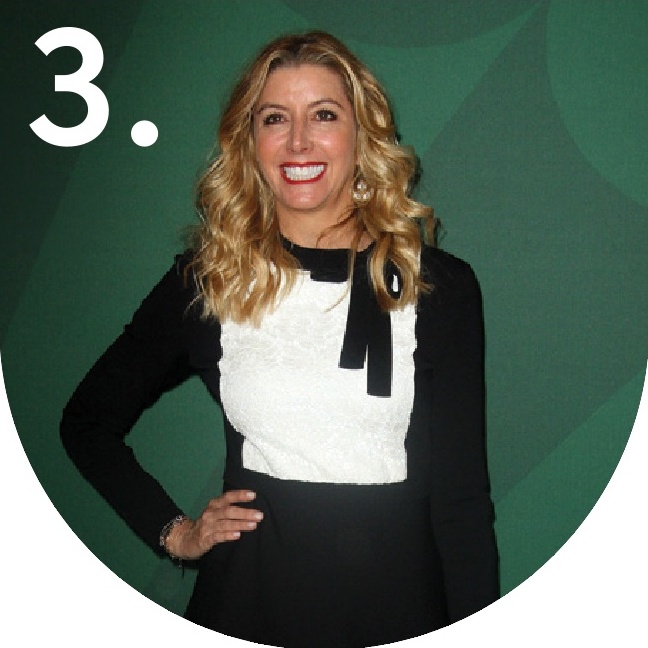
SARA BLAKELY
The billionaire SPANX founder is a wife, mother and booked businessperson. She runs a company with hundreds of employees, which generates approximately $400 million a year.
After a full day, Blakely is intentional about her nighttime routine. She spends the evening with her children and then puts them to bed. Every night, she takes a bath and lights a candle as a way to power down from a hectic day—she sees value in turning off work mode.
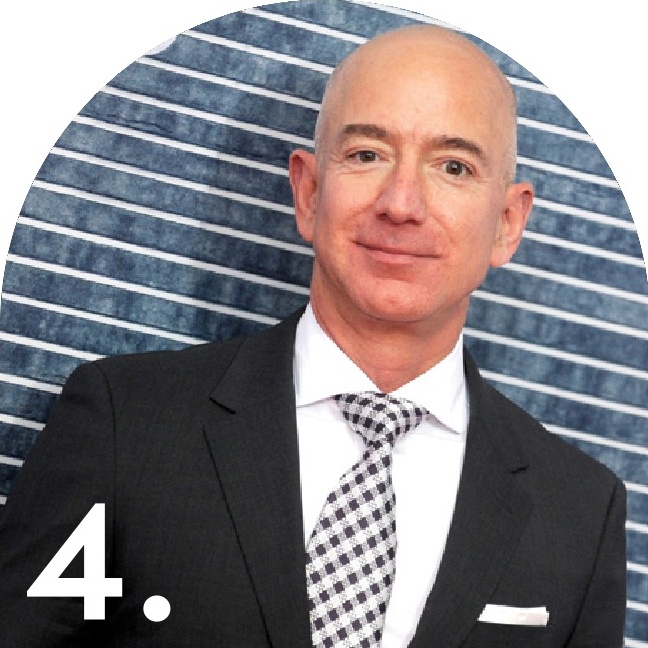
JEFF BEZOS
The Amazon founder maintains a bustling schedule as one of the wealthiest people in the world, even after his departure from the powerhouse company.
Famous for being an advocate of getting good sleep, Bezos prioritizes eight hours of sleep. “I think better; I have more energy; my mood is better,” he says. Another surprising addition to his nighttime routine? Bezos likes to wash dishes. This mundane yet necessary task sets his nighttime routine in motion.

TIM COOK
Apple’s billionaire CEO is known to be a person of intentional discipline. He’s a busy business leader who runs one of the largest companies in the world and receives a reported 700 emails a day, a majority of which he reads.
Since Cook is known to wake up between 4-5 a.m., he’s in bed by 8:45 p.m. He spends his evening powering down and doing so with Apple’s recently released Vision Pro mixed reality headset.
©WHITE HOUSE PHOTO/ALAMY STOCK PHOTO; ©EVAN HURD; WENN RIGHTS LTD; XINHUA; GEISLER-FOTOPRESS GMBH/ALAMY STOCK PHOTO
SOFT LAUNCH | ENTREPRENEUR

The Two Halves of Ambition: Acquiring and Inspiring
TIM AND CINDY DODD ARE PLAYING A GAME OF DOUBLE AMBITION: BECOME THE BEST IN OUTBOUND MARKETING WHILE HELPING OTHERS PURSUE AMBITIONS OF THEIR OWN.
“S uccessful” doesn’t begin to describe Tim and Cindy Dodd, although they are. Definitively so. Their company, PEMA.io, has a 97% success rate with more than 700 online service providers, who they’ve helped close sales worth hundreds of thousands of dollars in a matter of months. But success—like a sale or a new client—is an end result, and the Dodds are just getting started.
“Ambitious” is a better adjective for PEMA’s founders and their small team. The company’s central value is, in fact, “resolved to win.” It’s the tenet that PEMA was founded upon, lives by and shares with its clients.
In the cold, cold world of outbound marketing, PEMA has broken from the pack saturated with self-proclaimed gurus who offer sales strategies and training courses. Tim and Cindy cut to the chase: acquiring clients rather than simply generating leads.
“Lead generation is pointless if you don’t have a really solid sales process to convert those leads into paying clients,” Cindy says. For example, PEMA can send a hundred really good leads—ideal targets, in fact—to one company, and they don’t close them. “And we can send a hundred leads to another company, and [they’re] their ideal target, and they’re able to close 20 or 30% of them. The difference between the two is a very dialed-in sales process that’s focused on client acquisition versus just lead generation,” Cindy explains.
PEMA is that dialed-in process focused on client acquisition. The system generates qualified, vetted sales meetings so you can be on calls and signing up clients within days of installation. It addresses the full sales cycle, from when someone says “yes” to a call till the day they ink the deal.
“LEAD GENERATION IS POINTLESS IF YOU DON’T HAVE A REALLY SOLID SALES PROCESS TO CONVERT THOSE LEADS INTO PAYING CLIENTS.”
In the last six years, the Dodds have executed more than 100 million reach-outs to customers in every industry from fashion and banking to food and beverage. In that time, they’ve acquired a trove of data on human behavior principles, on what works and what doesn’t. That data is 90% of what PEMA’s outbound process is built on, they say.
“Persuasion techniques come and go. Human behavior principles are unchanging,” Tim says. “Scalability for customers is all about repeating the processes and the principles that are pretty unchanging.” PEMA installs those.
PEMA’s origins date back to Tim’s days right out of college when he was running a car detailing shop in Kansas City. He became so skilled at SEO that his shop was receiving 20 to 30 calls a day, but when he tried to transition this talent into the B2B space and launch his own SEO agency, he discovered that the move was harder than he thought.
“I was a little disillusioned about the sales cycle, lead generation and client acquisition in the B2B space,” he says. “[Great marketing agencies] might do a great job at getting customers for their customers, but a lot of them have an incredibly difficult challenge to get their own customers.”
Realizing he wasn’t alone in this disillusionment, that other B2B entrepreneurs didn’t understand the industry, Tim started building out a way to address that gap. The result was the foundation of PEMA—or, what he and Cindy call PEMA 1.0.

“PERSUASION TECHNIQUES COME AND GO. HUMAN BEHAVIOR PRINCIPLES ARE UNCHANGING.”
“We call it PEMA 1.0 because Tim grew PEMA really fast,” Cindy says. “He had employees and a team…. He was really good at marketing and sales. But the operations of the company, the culture of the team, just weren’t solid. And so, during our honeymoon in 2020, I found out that his company was crashing.”
Although Tim’s ambition had identified a gap in outbound, he had overlooked an internal gap: his company’s culture. He called working at PEMA 1.0 “bad and toxic” and held himself responsible for letting the workplace become so.
“When I first started PEMA 1.0, it grew fast, and I just thought I was, like, ‘The Internet Entrepreneur.’ I thought I had made it. But I did a bad job of building culture,” Tim says. “The business crashed because of my failure as a leader to build the right company and culture and operations.”
That’s where Cindy came in. Her expertise is in people: When she and Tim got married in 2020—in the final months of PEMA 1.0—she was running a successful career coaching business that was helping people land dream jobs, even in an economy crippled by pandemic-induced layoffs. By bringing her talents to the table at PEMA, she and Tim were able to repair the company’s missing link.
“We built it from the grave up,” Cindy says. “I was really good at hiring, recruiting, operations. That was my background. And Tim being really good at marketing and sales, we just had a perfect alignment in our skills. And that is how we got to running what we call PEMA 2.0 together.”
PEMA 2.0, the PEMA that’s breaking the mold of outbound marketing today, has left everything “toxic and bad” in its dust. Tim and Cindy established a set of company values and only recruit people who are perfectly aligned with those values—particularly those of personal ambition.
“Our mission and this journey that we’re on is to empower each other,” Cindy says. “It’s to empower our team to see them hit their goals. And, ultimately, it’s to win. We talk about that ‘resolve to win.’ We believe it. We don’t know the limits of our potential.”
Tim says that his own professional motivation was transformed along with PEMA. He and Cindy are focused on helping people succeed—financially and professionally—rather than simply “making a bunch of money and being a cool internet entrepreneur.”
“We have teammates in our tribe who are hitting five-year goals in six months. They’re buying rental properties to make passive income. They’re buying houses for their parents,” he says. “What drives me every single day is wanting to see these amazing people… hit their goals. There’s nothing more rewarding.”
Indeed, the Dodds are helping entrepreneurs achieve their goals beyond the PEMA tribe, too, from helping their paying clients secure new clients of their own to providing free marketing strategies on their podcast, The Takeover with Tim and Cindy, that gives entrepreneurs of every stage the tools to transform ambitions into realities.
©IGOR TRIFONOV

SOFT LAUNCH | HOW TO

Choose Wisely
LEARN DECISION INTELLIGENCE FROM GOOGLE’S FORMER CHIEF DECISION SCIENTIST CASSIE KOZYRKOV.
A s the world becomes more and more data-driven and artificial intelligence increasingly permeates daily life, our power as human beings lies in our ability to make informed decisions. Cassie Kozyrkov is on a mission to increase the quality of those decisions. Kozyrkov was Google’s first chief decision scientist until she left the company to start Data Scientific. This decision intelligence agency helps world leaders and executives optimize their most important decisions.
Kozyrkov’s goal is to lead humanity toward better decision-making on a global scale. In her recent LinkedIn course, she presents 18 tried-and-true lessons that every business leader can implement to ensure their organizations thrive in a data-driven world full of complex decisions. Outside of that course, she’s also given countless talks and written numerous in-depth blogs on improving people’s decision-making skills.
THE IMPORTANCE OF GOOD DECISION-MAKING
Kozyrkov sees decision-making as the steering wheel of people’s lives. As human beings, everything that happens to us falls into one of two categories: things we can control and those that we can’t. One thing we can always control is the quality of our decisions. Making even the slightest improvements to our decision-making skills has a compounding effect over time and gives us more control over what happens in our lives. But for many decision-makers, it isn’t just their lives that their choices impact. As people get more and more responsibility, their decisions have a massive effect on their families, communities, organizations and, in some cases, even entire countries.
START WITH ONE SIMPLE QUESTION
Kozyrkov believes that people can become better decision-makers if they focus on one question: “What would it take to change your mind?” Whether you’re asking your internal dialogue or your spouse, coworker or anyone else, that one inquiry holds a lot of power.
She says you can’t answer that question without first knowing if your mind is set or not.
“If it isn’t, your procedure will be to go out, explore and go with whatever looks like the potential best option. This is true in the household decision-making sense. And it’s also true in the data science and statistical sense.
OVERCOME BIASES
Decision-making is riddled with bias. Kozyrkov says that two of the biggest to be aware of are outcome bias and confirmation bias. Recognizing and overcoming these both are critical to becoming a better decision-maker. Doing so means being self-aware, challenging assumptions and seeking diverse perspectives to counteract internal biases.
OUTCOME BIAS
To understand outcome bias, we must first know the difference between a decision and an outcome. A decision is a choice made after considering all options. It’s limited to the data available to you at the time and the technique you used to seek out additional information and ultimately make that choice. An outcome is your decision plus luck—or all those things you can’t control. Outcome bias is when you forget the luck and analyze the quality of your decision based solely on what happened rather than how you made the decision.
CONFIRMATION BIAS
Confirmation bias occurs when people interpret information in a way that confirms what they think they already know. To counteract confirmation bias, Kozyrkov recommends getting into the habit of setting the criteria before you have all the information. For example, decide on the minimum salary you’re willing to accept for a job before you receive an offer. That way, when you get the offer, you can quickly and effectively decide based on the criteria you set rather than emotion.
PRACTICE DECISION INTELLIGENCE
Decision intelligence is making sound decisions using principles from statistics, data science and psychology, among other fields. Similar to creativity, decision intelligence is like a muscle. The more you practice and train it, the stronger it becomes. That said, not every decision requires a systematic approach. And that’s where Kozyrkov stresses the absolute importance of prioritization. What you put on your sandwich for lunch shouldn’t have the same level of prioritization as the go-to-market strategy for a new product.
STAND UP TO AI
AI systems are increasingly becoming more prominent in our daily lives. Generally speaking, they make life easier. Whether predicting market trends or optimizing resource allocation, AI empowers decision-makers to leverage data effectively to reach better outcomes. But Kozyrkov wants decision-makers to balance AI insights and their own human judgment. She also wants people to know more about how these systems are created before unquestioningly trusting them. At their core, AI systems are simply the amplification of three decisions made by the people who built them. Those decisions come down to three questions:
WHAT IS THE OBJECTIVE?
What is the system trying to optimize? What does success look like? There’s no one correct answer to any of those questions. The team of people building the system has to make a judgment call as to what the purpose of the system is.
WHAT DATA DOES THE SYSTEM LEARN FROM?
AI systems rely on complex data sets to function. The type and quality of that data dictate the system’s reliability, bias and objectivity. To be successful, the data needs to represent the people using the system. Suppose it’s intended for use by people in sub-Saharan Africa but relies solely on a dataset from a demographic like Silicon Valley. In that case, the system won’t be helpful to its intended audience.
HOW DO YOU TEST THE SYSTEM?
What does “good enough” mean? How and what needs to be measured, and in what context? If the decision-makers building the system can’t align on this, it’s best not to launch it.
Kozyrkov has repeatedly said in her work that people need to “stand up to AI.” What she means by that is, society as a whole needs to stand up to the quality of the decision-making behind AI and ensure that good decision-makers are, at the very least, coaching those building the system. Because good decision-making isn’t about the outcomes but the technique used to reach those outcomes.
©KEVIN SCANLON
SOFT LAUNCH | WELL-BEING
Plan Your Next Corporate Bonding Session
SUMMER IS THE PERFECT TIME TO ORGANIZE A ‘WINTER EDUCATION’ FOR THE ULTIMATE TEAM-BUILDING EXPERIENCE.
I magine if your yearly company retreat was a camping trip—in subzero temperatures.
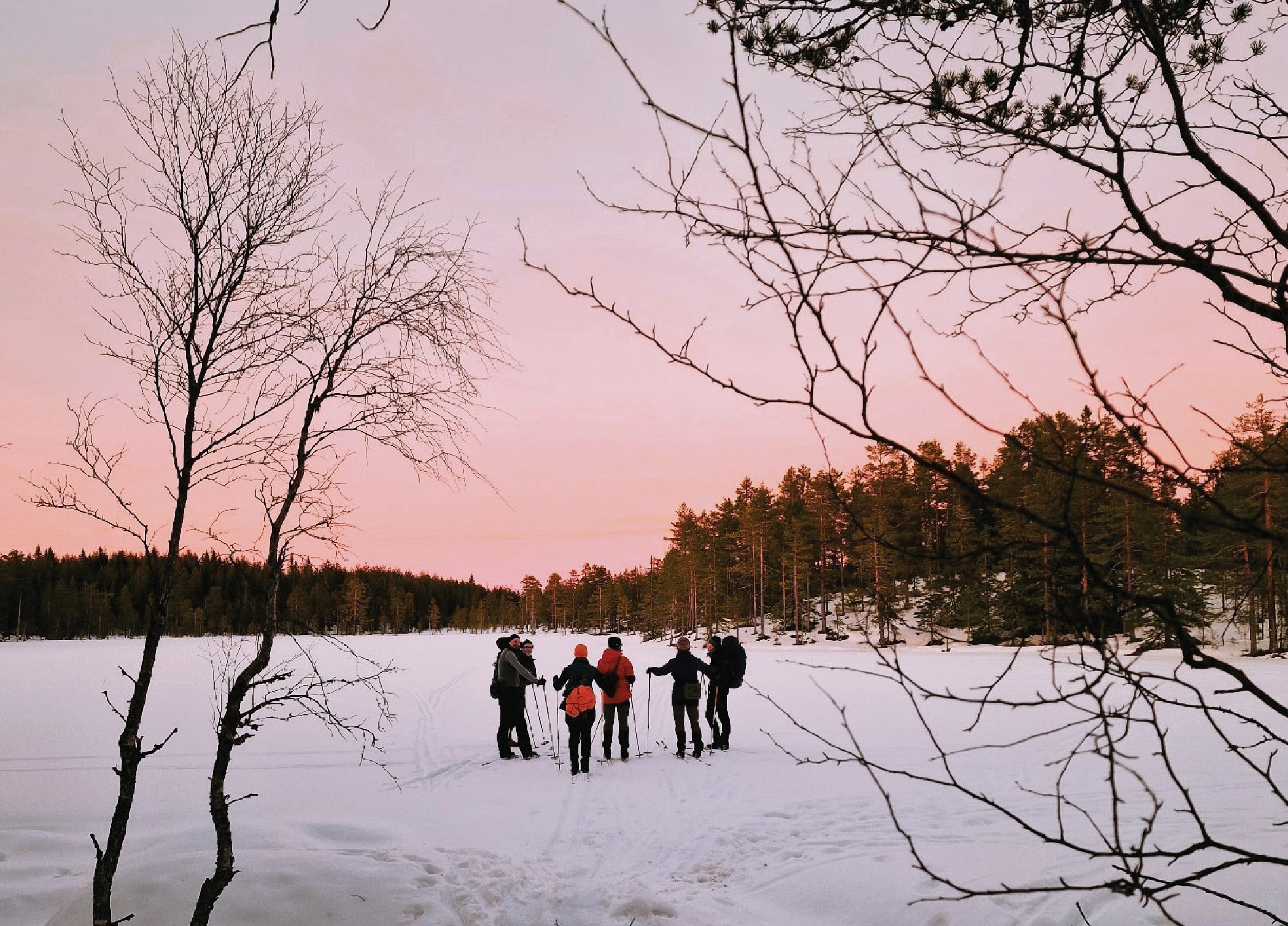
For one Swedish company, it is. And while the prospect of trudging through the snow might not sound like a particularly cozy corporate bonding experience, Stockholm-based Fjällräven, which makes camping equipment and hiking apparel, says it’s a great way to build its employees’ confidence in the outdoors. That also helps them excel at their jobs, and, in turn, helps the company grow.
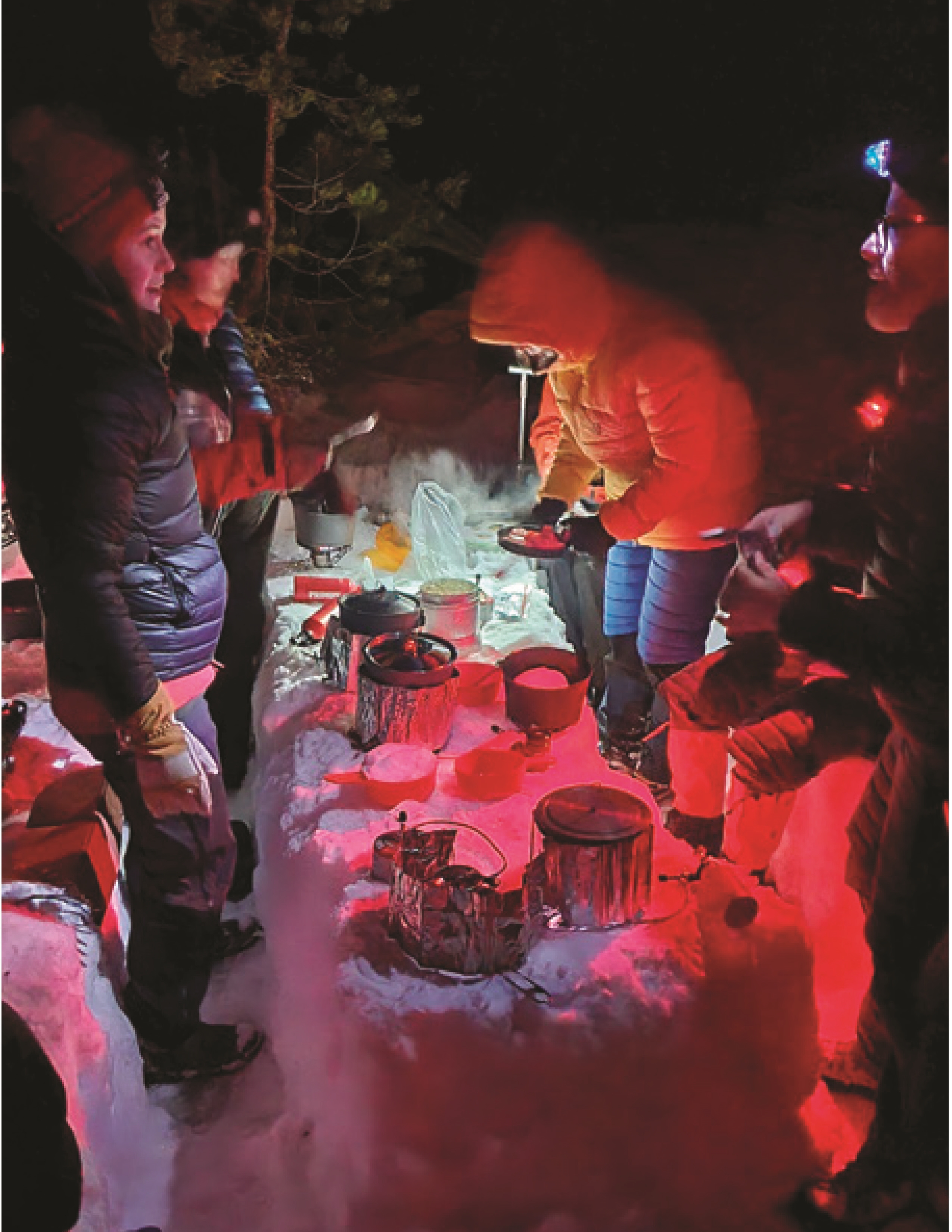
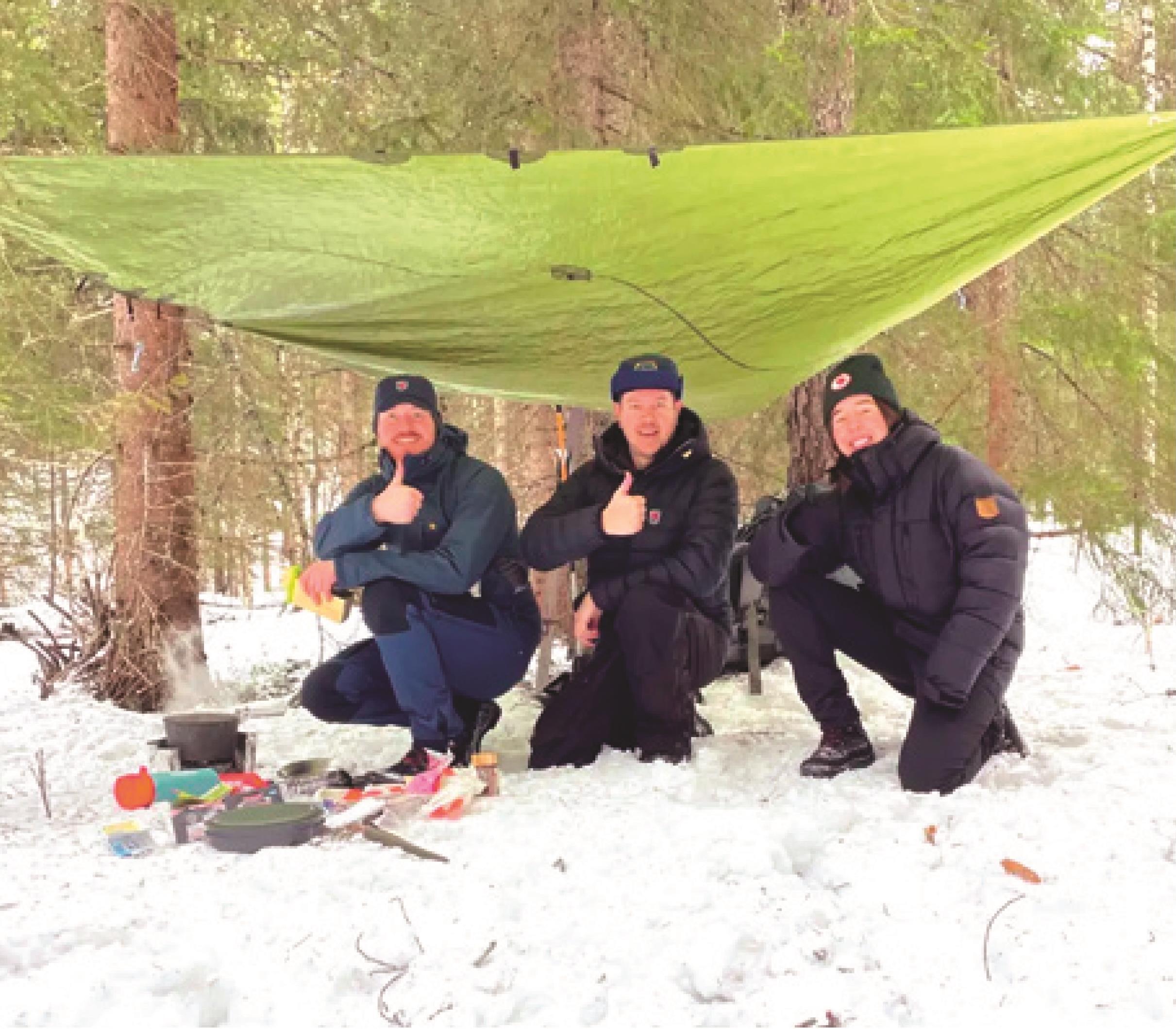
The weekend is aptly titled “Winter Education,” and it’s exactly what it sounds like. Every winter, the brand sends a few dozen of its Stockholm-based staff members into the forests of inland Sweden to hike, horseback ride, snowshoe, or ski and set up camp for two nights under the stars. While they hope for dry weather, they go rain or shine. Even when conditions are poor, people generally come back happy.
“The worry of being cold is probably worse than the actual risk of getting cold; I think you learn a lot from that,” says Carl Hård af Segerstad, the brand’s global events manager. Everyone also learns that their actions have consequences, he says. “I think you learn some kind of self-reliance in that, and I think that is probably the biggest outcome of this.”

“THE WORRY OF BEING COLD IS PROBABLY WORSE THAN THE ACTUAL RISK OF GETTING COLD; I THINK YOU LEARN A LOT FROM THAT.”
About 30 to 40 people get to go every year, so the group is always changing. People are excited for the opportunity to go, and there’s a buzz around the office both before and after the trip each year. The team tries to organize the group so that employees get to spend time with other staff they don’t typically work with directly.
“The cohesiveness and the feeling of being a part of the group grows, of course,” Hård af Segerstad says. “I would say, both before and after, there is great energy in the office.”
Even if you’re not familiar with the name Fjällräven, you’ve almost definitely seen the brand around. The brand’s most recognizable product is its iconic Kånken backpack, which debuted in 1978 as an answer for Swedish school children whose bookbags were causing back problems. The square design has changed little since the product was first launched and is a testament to the brand’s commitment to timeless design that doesn’t need to be replaced every season when styles change. This year, the brand will celebrate the 50th anniversary of its Expedition Down Jacket, a cold-weather piece that has endured changing times with little need for evolution.
The Winter Education tradition started out informally with the brand’s founder, Åke Nordin, who launched the company in 1960 with a wooden-frame trekking backpack. Nordin often brought friends out into the wilderness, Hård af Segerstad says, and over time, his definition of “friends” expanded as the company grew. Of course, it was also natural for him to outfit those friends with his company’s gear as a way to do some informal product testing.
“It was an integrated part of his product development without being super commercial about it,” Hård af Segerstad says. That Expedition Jacket actually came out of one of these very trips, he added—Nordin spent a cold night outdoors and wanted to find a way to make his down jacket warmer. He experimented with sewing two jackets together so that the baffles overlapped, and boom, the Expedition was born.

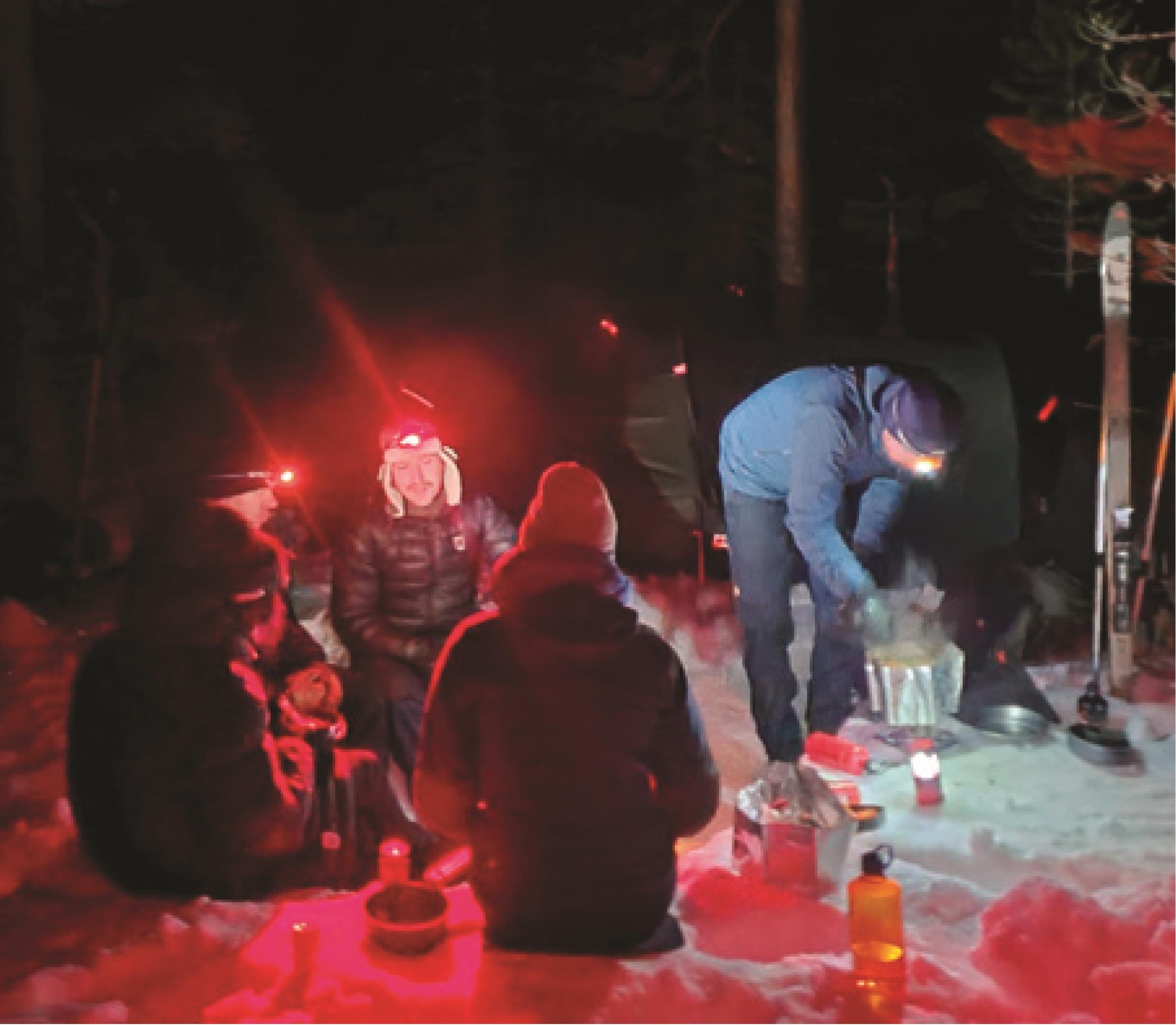

In addition to extreme staff bonding, the Winter Education tradition also affords today’s staff members this same opportunity. For those who design the products, it’s a chance to tinker with new ideas and improve upon old designs. For those who engage with the products in a different way, it provides an opportunity to understand how their products work, who their customer is and how to connect with them.
Fjällräven now operates Classics, a handful of social trekking events across the globe, in locations including in Sweden, Chilean Patagonia, South Korea, Colorado and more. Those events, which are much bigger and which anyone can purchase a ticket to (as long as you can find one before they sell out), provide an additional opportunity for staff to bond with each other, meet customers and work toward the company mission to get the every-man outdoors. The only wintertime event the brand currently runs is the Fjällräven Polar, which is a long-distance dog sledding adventure through Arctic Sweden. It’s a bit harder to snag a spot on, but anyone can apply. It’s free if you win a spot through a juried social media competition.
Even though February is about as cold as it gets in Sweden, and temperatures at Winter Education destinations are often a balmy 14 degrees or colder, Hård af Segerstad says people usually jump at the opportunity to join for the adventure. Most staff members have never done winter camping before participating, and they’re excited to leave the office a little early to hoof it into the woods on a Friday afternoon. Throughout the weekend, the students learn how to manage their body temperature so they stay comfortable and don’t overheat or sweat, which can become a safety risk. They also learn how to cook outdoors and how to manage wet gear and condensation in the tent on frigid evenings.
Ultimately, it may sound like quite an odd company retreat, but it serves the same purpose, Hård af Segerstad says.
“[This] is a little bit more on brand, I would say,” he says, comparing Winter Education to corporate functions in other industries. “Knowing your product and knowing what we expect, or what users [who] buy our products actually expose themselves to—I think that is why we do it this way.”
GET TO KNOW YOUR TEAM THROUGH THE DiSC ASSESSMENT
Having a good team can make or break a company. Recent data from Gallup estimates that just 31% of U.S. and Canadian employees are actively engaged and thriving at work—and that the global economy wastes $8.8 trillion each year on low employee engagement. You do the math on what that could mean for you.
Proactive team-building, either by company retreats or regular office events, is one way to foster community among your employees and facilitate growth and collaboration. Another way is to get to know yourself and your employees better through a DiSC assessment, which is sort of like a professional personality test. It stands for the four personality profiles it assesses: dominance, influence, steadiness and conscientiousness. The test can help identify individuals’ leadership styles and provide insight into how members of your team may work together best. It can also inform the best approach to team-building activities.
COURTESY OF FJÄLLRÄVEN
SOFT LAUNCH | FUTURE OF WORK

Forget About the Career Ladder, Focus on the Career Lattice Instead
SIDEWAY SHIFTS HOLD POWER FOR PROFESSIONAL GROWTH.
A n employee who had been working in corporate and internal communications at a health care company for several years was ready for a promotion, but there was little opportunity to advance. Then, the company posted a job in its regulatory division. The position was at the same level as her current role but with a slightly lower salary. She decided to take a chance and try something new.
Her gamble paid off. Within a couple of years, she was promoted to vice president and earning the highest compensation of her career. That lateral move helped her develop new relationships and new expertise—not just in corporate communications but in regulatory work as well, says Maria R. Pellicione, managing director at Hechkoff Executive Search Inc. in New York City.
Career advancement is no longer limited to moving up a career ladder. Increasingly, employees are making lateral moves at work to gain additional skills and experience and establish new relationships and connections that will be helpful to their careers in the long term.
Traditionally, employees expect to go from associate to senior associate, or from assistant manager to manager, but that type of advancement isn’t happening as often as it has in the past, says Jody Fosnough, a training and development manager at Fort Financial Credit Union in Fort Wayne, Indiana. She describes today’s career advancement as more of a web than a ladder. “Where I see all organizations evolving is [employees] having a web of accumulated portable skills that are readily available to be used in a wide variety of different scenarios and situations,” she says.
CAREER ADVANCEMENT IS NO LONGER LIMITED TO MOVING UP A CAREER LADDER. INCREASINGLY, EMPLOYEES ARE MAKING LATERAL MOVES AT WORK TO GAIN ADDITIONAL SKILLS AND EXPERIENCE AND ESTABLISH NEW RELATIONSHIPS AND CONNECTIONS THAT WILL BE HELPFUL TO THEIR CAREERS IN THE LONG TERM.
Here’s how to take advantage of the career lattice at your organization.
1. BUILD YOUR NETWORK.
The people who are most well positioned to make a lateral move are those who have incrementally built a diverse network of colleagues in a variety of fields and functions, says Anne Shoemaker, an executive coach in Greensboro, North Carolina. “They’re not just networking with people in marketing,” she says. “They’re networking with people with lots of different expertise, so when they are considering making that lateral move, they have a whole catalog of people they can call on.” For instance, consider shadowing one of your colleagues in another department or take them to lunch and ask about their job and how it’s changing, Fosnough says.
2. DEVELOP PORTABLE SKILLS.
Lateral promotions can help you build a tapestry of experience, Shoemaker says. “Instead of being a one-dimensional account manager from the tech field, become a multidimensional account manager who has sat at the table in tech, manufacturing and other industries, and therefore, has a broader base of experience to draw upon in future roles,” she says.
Within her own industry, Fosnough sees the trend to hire people with broader skills. Credit unions want their frontline workers to have more than just expertise in operations but also sales and customer service, and maybe even loan serving. “Traditionally, these are all different departments, but what we’re looking for is somebody who has that web of knowledge, [who] is going to be able to make more holistic decisions,” she says.
There is a paradigm shift even happening within traditional organizations, Fosnough says. Rather than focusing on a specific role or area of expertise during an entire career, employees can expect to be engaged in shorter projects that are based on their knowledge and experience. Companies are looking for employees who are adaptable and teachable and have high energy to complete a task and then move on to the next thing, she says.
“If you’re taking a look at internal upskilling programs and internal mobility programs, you’re looking at shorter life cycles like project-based work, gig-based work or maybe some mentorship on a specific situation or scenario,” Fosnough says.
To prepare yourself for a lateral move, Fosnough recommends anticipating job function and industry trend changes by reading articles, attending industry events, listening to TED Talks and networking with colleagues. You need to be able to look at the market and decide if you might need the new certification Google offers, she says. Focus on portable skills you can get in a month rather than going back to school to learn business analytics, which could take years, she says. “We don’t have time for that because, by the time somebody graduates with those skills, we’re looking for something else,” she says.
3. CONSIDER THE OPPORTUNITY.
When evaluating a lateral move, it’s important to consider more than just the salary. Examine how this new opportunity could position you for future roles and where it might lead you, Pellicione says.
Pellicione recommends exploring these four questions before accepting a lateral role:
• Is this a step backward from what you were doing three or four years ago?
• What could the opportunity bring you in terms of new contacts and new skills?
• Where can you make the biggest impact in the new role?
• How will the new role expand your skills beyond your current job?
For instance, if your current role doesn’t allow you to interact with finance and you really want to be more engaged in investor relations and communications, it would be a good idea to take a lateral role that offers more direct interaction with finance, Pellicione says. Then, you would be interacting with the CFO, heads of finance and other members of the financial community. That would make a difference in your career by opening the door to other relationships and business verticals, she says. “Ultimately, these are things that could really help build not only the skill set that you have but expand on it,” Pellicione says.
Making a lateral move internally is also a good way to show the company that you’re committed to them, Pellicione says. “Companies sometimes go through reorganizations and restructuring,” she adds. “But if they see someone is committed to what they’re doing…, that’s going to really help you… get to where [you] want to be, too.”
Ultimately, it is about embracing a growth mindset, Fosnough adds.
TREETY/SHUTTERSTOCK.COM
SOFT LAUNCH | TOP OF MIND
Climbing Higher
ACCOMPLISHED EXPERTS SPEAK ON WHAT THEY NEED TO ACHIEVE THEIR GOALS.




COURTESY OF MATT VAWTER; ©SOCIETY INSURANCE; ©MIKEL ELBECH; ©VELOCITY CAPITAL GROUP

SOFT LAUNCH | A DAY IN THE LIFE

Mikayla Nogueira is influencing online with 2.9 million followers on Instagram and 15.6 million on TikTok.
Mikayla Nogueira
THE BEAUTY INFLUENCER SHARES THE DAY-TO-DAY ROUTINES THAT ALLOW HER TO LOVE HER WORK.
I f Mikayla Nogueira has a mission statement for her brand, it’s this: Be yourself. That’s the all-day-every-day mindset that guided her when she started her TikTok makeup artist empire four years ago.
In her social media bios, the Massachusetts resident defines herself as a MUA (makeup artist). But the way the world and her nearly 16 million TikTok followers see her is so much more than that. She’s an artist. She’s a comedian. She’s a straight shooter. All the qualities that have made this one-woman show into a household name for anyone who knows the difference between a lipstick and a lip stain.
Her initial viral moment—almost overnight—meant there was no time for creating any kind of manufactured identity. Hers was already cemented. “I came right out the gate and threw my whole personality out there. I was super honest, whether it was about beauty products or my personal life,” Nogueira says. “I think that has really helped me grow a community. I don’t just have followers—I have a community.” A self-described workaholic, she structures her days like an executive, from strategy to execution. “I never half-a-- anything,” she says. “That’s very important to me.”
So, to that end, her work week actually starts Sunday evening. That’s when she creates a filming schedule she can stick to, shooting five videos every day.
“I CAME RIGHT OUT THE GATE AND THREW MY WHOLE PERSONALITY OUT THERE. I WAS SUPER HONEST, WHETHER IT WAS ABOUT BEAUTY PRODUCTS OR MY PERSONAL LIFE.”
Here’s what a typical weekday might look like for Nogueira:
7 A.M. – START FRESH
Nogueira’s business requires her to start with a blank canvas every day. So, the first stop on her to-do list is the shower. “I always want to start every day with a fresh face and fresh hair,” she says. “I have to put time into my hair and accessories and outfit because that’s the pre-prepping for filming.”
8 A.M. – STUDIO SESSION
Nogueira sets up her own studio equipment—tripods, lighting, microphones. Then, she’s ready to shoot, which she does without a script. “When I film, I find that there is a sense of authenticity when you’re getting my first reaction. A lot of my videos are first takes and never-been-done-before moments,” she says. “You get a genuine reaction out of me…. I have to be raw for the videos to be authentic. I work best by myself, so I handle all of the filming and editing. I’m very Type A.”
1 P.M. – SHARING
Nogueira’s day is often planned down to the minute, so her rule is to post her first video at 1 p.m. Once it’s live, she spends about 20 minutes replying to her followers. “I make sure I respond, answer and thank them. It’s hard to picture 15 million people in your head,” she says. “So, I look for ways to engage with my followers as much as humanly possible.” And so it goes with every video she posts.
1:30 P.M. – EXPLORING
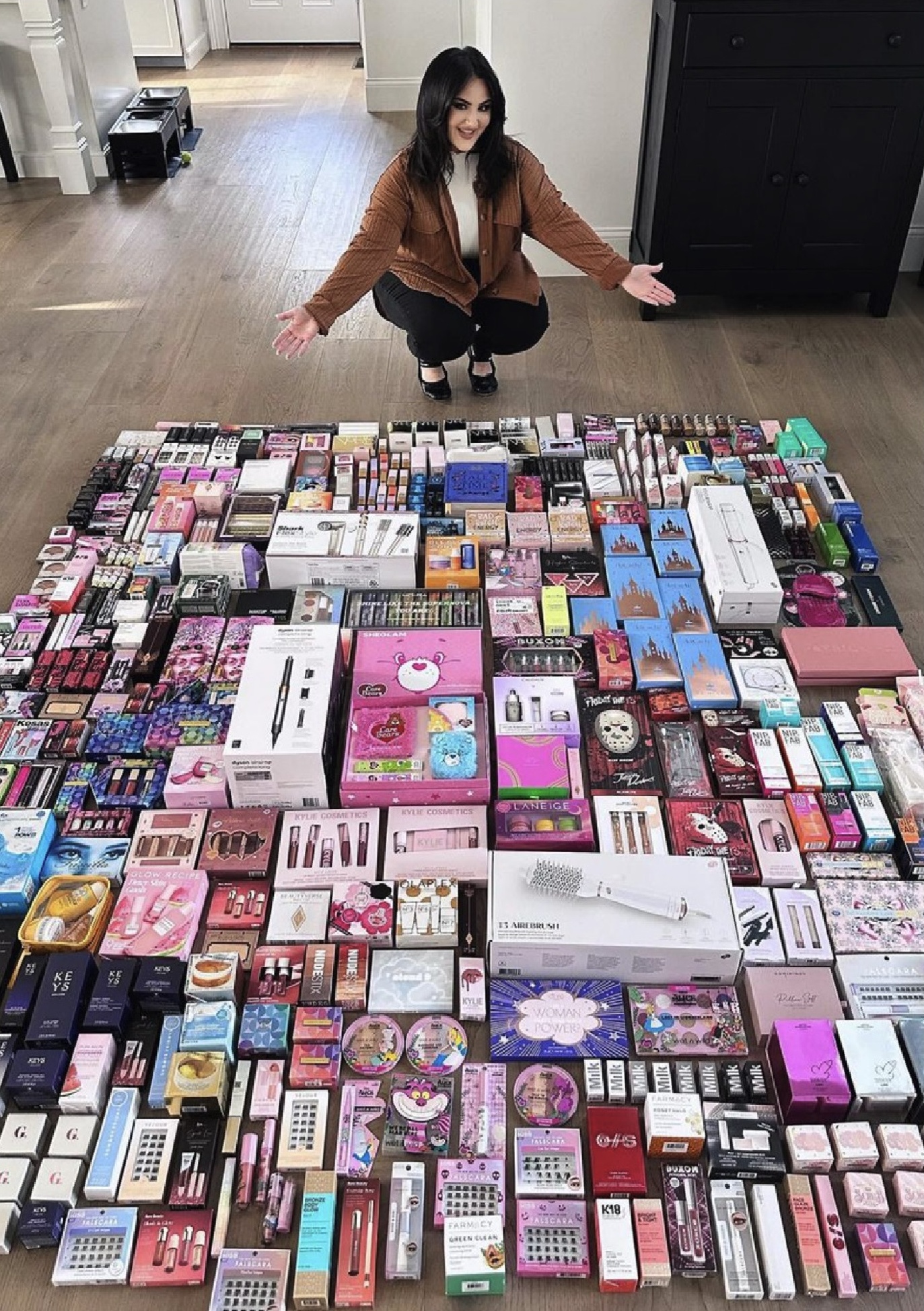
“People say don’t turn your passion into your job because then it’s no longer your passion. But I am someone who truly bleeds makeup. It’s the world to me,” she says. So, she devotes a robust amount of her afternoon looking at what’s new on the Ulta and Sephora apps. She searches for trends, innovations, the essentials and the not-so-essentials. “I add things to my cart all week, and then, at the end of the week, I check out,” she says. “If you’re a large influencer like me, it’s super important to do that. And then, when those packages come, I already have video ideas ready to go for the next week.”
2:30 P.M. – MENTORING
Nogueira built her business organically, so aspiring influencers often come to her for advice. If she sees potential in what that person has done so far, she’ll do what she can to help them navigate the unpredictable nature of social media. “It requires so much research… because it’s not a well-known career,” she says. “I will tell them how you can find management, how you can get paid and how to improve videos. I love giving that kind of advice to people. People want the influencer space to be a community, so I try to put in the effort to make it one.”
3 P.M. – DELEGATING
It’s not all just makeup tutorials for Nogueira. She has to find time in her week to work on the business of beauty: meetings, phone calls, media, podcasts and any sort of administrative work. And it also means giving a handful of people on her team their own to-do lists. She has public relations professionals, a financial adviser and managers to help her behind the scenes.
“PEOPLE SAY DON’T TURN YOUR PASSION INTO YOUR JOB BECAUSE THEN IT’S NO LONGER YOUR PASSION. BUT I AM SOMEONE WHO TRULY BLEEDS MAKEUP. IT’S THE WORLD TO ME.”
3:30 P.M. – MONETIZING
Nogueira has several different income streams, and she counts on the relationships she’s built with makeup, fashion and lifestyle brands to be the biggest part of her paycheck. Everybody wins with brand partnerships. “They send you the product they want you to promote, you test it out, and then you move forward with a contract. That contract has a scope of work,” she says. “So, say a beauty brand wants me to create one TikTok about their product: I create the video, send it to the brand, they approve it and we set a date for it to go live.” After that, she sends the brand her analytics and an invoice. Other sources of income include the creator payments she receives directly from TikTok, the earnings from her Amazon storefront and from her affiliate links. “There are a lot of ways to make money,” she says. “You just have to be smart about it.”
4 P.M. – FAMILY
The late afternoon is when Nogueira switches gears and starts getting ready for time with her husband. She cleans their home, starts dinner and then is fully present when they are together at the day’s end. “My husband and I have dinner together, and that is my most cherished moment of the day,” she says. After that, they spend time with their dogs and have some much-deserved downtime for books, shows or games.
9 P.M. – REST
Early to bed; early to rise. That’s the way Nogueira is wired. “I am an old lady in that I go to bed around 9 p.m. Getting eight hours of sleep is so important. I can’t function without eight hours,” she says.”
THESE EVENTS WERE TAKEN FROM A TYPICAL DAY AND SOME ILLUSTRATE THE HIGHLIGHTS OF NOGUEIRA’S LIFE.
COURTESY OF MIKAYLA NOGUEIRA


LILLY SINGH’S NEXT ACT
ON FINDING JOY, TELLING YOUR STORY AND TALKING TO MUPPETS.

THE LAST YEAR HAS BEEN ONE OF FIRSTS FOR LILLY SINGH. FOR ONE, HER DEBUT FEATURE FILM DOIN’ IT PREMIERED AT SOUTH BY SOUTHWEST (SXSW). FOR ANOTHER, SHE AND HER MOM FINALLY HAD THE SEX TALK.
In Doin’ It, which she co-wrote with Neel Patel and Sara Zandieh, Singh stars as Maya, a 30-something, Indian-American virgin who gets a job teaching high school sex ed. Great premise! But not the most comfortable one to discuss with, for example, your Indian immigrant mother, someone who never gave you “the talk” and who you realize you might need to hop on a call with after you submit a script that’ll have you in a, um, compromising position on screen.
So when she asked her mom if she was going to be OK with it, she was surprised by the response she got.
“She said the sweetest words to me, she said—I’ve never heard my mom be so evolved—she said, ‘Are you OK with it?’ And I went, ‘I am.’ She goes, ‘Then I think it’s fine,’” Singh laughs. “And my mom actually helped me with some of the movie on set. She’s making sex jokes, and I’m like, ‘What’s happening? We’ve opened up the matrix!’”
If you’re not among the 14.4 million subscribers who followed Singh’s early career on YouTube (where her parents’ strictness was a fairly common theme), maybe you know her from her NBC late-night show, A Little Late with Lilly Singh, or from The Muppets Mayhem on Disney+ (she was the human).
Or maybe you don’t know her yet—though we’d wager you’re about to.

● ● ●
Singh was born and raised in Toronto’s Scarborough district and is a self-described tomboy with a creative flair and an unflagging spirit. Her career began on YouTube in the early 2010s, when, then using the name Superwoman, she started filming short skits and first-person videos that shared her experiences as a first-generation Indian-Canadian.
The silly sketches landed with an audience of young brown girls who saw themselves reflected in Singh’s humor, and she became one of the emerging video platform’s earliest stars. But she hasn’t posted new skits to that channel in years; she’s been busy writing and filming and producing. There’s Doin’ It; there are her two bestselling books; and there’s Unicorn Island, her combination production company and charitable fund.
Singh is a true multi-hyphenate… which is why being called a “YouTuber” today can sometimes be a source of frustration. “Sometimes, when I read a headline or read anything about myself, it’ll say ‘YouTuber,’ and I was trying to figure out why that unsettles me,” Singh says. It’s a perception she’s been battling since she stepped away from the platform to pursue new passions.
In December, for example, she was the subject of a Washington Post profile that asked, “Where does Lilly Singh go from here?” The piece was an in-depth and personal look at her career highs and lows following the cancellation of her NBC late-night show. Then, you get to the correction at the bottom of the piece: “A previous version of this story incorrectly stated that Singh still regularly produces content for her YouTube channel.”
“I think it unsettles me just because I think, naturally, everyone wants to grow. Everyone wants to evolve,” she continues. “And everyone wants to be described in a way that’s accurate to what they’re doing right now.”
YouTuber? It’s not that Singh resents or regrets that career—it was empowering to run and grow her own media company, and she was an inspiration to a legion of young women who followed her, including actress Iman Vellani, aka Ms. Marvel, who told Singh she grew up watching her videos.




"REALLY, WHAT I DO IS, I’M A STORYTELLER."
It’s just that it feels reductive. No one these days, she quips, is calling Justin Bieber a YouTuber.
Doin’ It, for example, is the first feature film from Singh’s Unicorn Island Productions, which also produces an animated children’s series (The Mindful Adventures of Unicorn Island ) and has a drama (Arzu, starring Bridgerton’s Charithra Chandran) in the works. On the charitable side, the Unicorn Island Fund is empowering girls and women in India to overcome shame and unleash their full potential.
“Really, what I do is, I’m a storyteller,” Singh says, noting that it took her some time to figure that out. “I’ve used various mediums to tell stories, whether it’s a quick video on Instagram or a feature like Doin’ It, but I believe in the power of telling stories.”
That’s why the production company and the charitable fund exist under the same Unicorn Island umbrella; both are trying to change the world by telling stories.
“And I’m trying to tell stories that look like the real world,” she says.
● ● ●
You can see the evolution in Singh’s life and career in the differences between her two books, 2017’s How to Be a Bawse: A Guide to Conquering Life and 2022’s Be a Triangle: How I Went From Being Lost to Getting My Life Into Shape.
In How to Be a Bawse, Singh uses stories from her career as a how-to guide for becoming a strong and confident person who’s taking control of their own life. The chapter titles alone tell a story of inner turmoil—how did the titular “bawse” get so lost?
When I mention that Singh doesn’t strike me as a person who’d need to get her life in shape, she smiles and shakes her head. “I’m not shocked to hear you feel that way, because a lot of people were like, ‘You get your life in shape? You’re all about the hustle and the goal setting and the vision boards!’” But something happened in the years after her first book hit shelves: “Years later, I was like, ‘Oh, I think I’m sad.’”
Singh’s first book explained how to work really hard and get all the things—the accolades, the career, the respect—she’d been working toward in her own life. It didn’t explain what acquiring all that success and acclaim was supposed to mean. And that’s because, Singh says now, she frankly didn’t know.
When people would ask her about herself, she found she had a habit of rattling off career highlights: I was a YouTuber; now I act; I’ve been on late night; I’m starring in these shows. She realized she’d started to feel disconnected from her sense of self, from who she really was.
Was the work supposed to define her? Was she supposed to keep hustling more and harder? Having achieved so much of what she wanted to accomplish in life, what was she supposed to feel? What number or achievement would finally make her feel as if she’d made it?

“So, Be a Triangle was really a way for me to make sense of it all: make sense of the hustle, make sense of the success, make sense of the goals,” she explains.
“Even to this day, sometimes I stress—I have 14 million Instagram followers right now, and I’m like, ‘What if it goes to 13.9?’ And what if it goes to 13.9?” she laughs. “Then what? What’s gonna happen? Someone’s gonna come revoke my success card?”
Singh is quick to tell quips like this at her own expense; she’s affable and likable, a fast talker with an easy smile who makes you feel like you’ve known each other forever. The gregarious performer you see onstage or on camera—that’s Lilly to her core.
But Singh also has a quieter side. She plays Catan online every day, and she recently started making ice cream for her friends. She bakes; she keeps a journal. And if it’s not already obvious, she puts an intense amount of pressure on herself. Her drive to succeed is immense.
In the past, that’s been out of necessity. In 2010, she was proving to her parents that she could turn YouTube into a meaningful career as a way to avoid being forced into grad school. In 2015, she moved to LA, the first person in her family to move out of the house (let alone to a different country) for a reason that wasn’t marriage. She had no choice but to make it work, to make it worth it.
At 35, Singh says she’s driven by something less concrete but perhaps more meaningful: legacy. “Maybe that’s me getting older, maybe this is me seeing younger people coming up in the industry and being like, ‘Oh my goodness, I have such a soft spot for them,’” she says. These days, Singh finds herself wanting to do whatever she can to make it so that the young brown women who come after her might have a slightly easier time than she did.
“The truth is, all the headlines about me will disappear one day… I don’t know if people will watch my YouTube videos in 30 years,” she says, smiling in a wry way that suggests, in some ways, that might almost be a relief.
Singh is tremendously proud of the work Unicorn Island has done and continues to do, and that work—both on the production and charitable sides—will continue to occupy much of her time and energy over the coming years.
But legacy is only a part of it. There’s also a renewed search for joy.



"SO, BE A TRIANGLE WAS REALLY A WAY FOR ME TO MAKE SENSE OF IT ALL: MAKE SENSE OF THE HUSTLE, MAKE SENSE OF THE SUCCESS, MAKE SENSE OF THE GOALS."
In November, The Muppets Mayhem, the Disney+ series in which Singh played the human lead, was canceled after just one season, despite the fact that the show would go on to win an Emmy for Outstanding Children’s or Family Viewing Series one month later.
The show’s cancelation felt like a huge blow. But the more Singh thought about it, the more she realized why its cancelation hit her so hard.
“I was sad about it because it was so much fun,” she reflects. “I don’t get to talk to Muppets anymore! Do you know how awesome it is to not talk to humans and talk to Muppets?”
It wasn’t about the critical acclaim, and it wasn’t about the numbers. For the first time in her life, Singh realized that she was sad about the loss of a professional role because it brought her such a tremendous amount of joy.
“It won the Emmy, and I was like, ‘I would rather not have this, and I would rather just be able to have another fun season,’” Singh says. “That was a thing I never thought I would think in a billion years! If you told me 10 years ago, ‘You could win an Emmy,’ I’d say, ‘Give me the Emmy!’”
She admits that she’s still not sure exactly what compelled her next action—was it mania or a stroke of brilliance?
She called Brad Slater. The Rock’s agent.
“I said, ‘I want to do all of the things that little Lilly would just lose her mind over, all the things that bring me joy,’” she recounts. “So, I’m just letting you know that I’m going to have to work with Dwayne Johnson.”
● ● ●
Moving forward, the indefatigable Singh says her goal is to spend as much time as humanly possible being creative. This year, she says, pulling out a handwritten list of her latest goals, she’s arranged her life so that she isn’t stuck doing any task that someone else on her team can do—a big step for someone who’s been personally approving every single social media post Unicorn Island has shared for as long as she can remember.
She’s already started writing her second feature, and on a personal level, she’s working to practice the kind of self-love that involves separating your worth from the success of your professional projects. (Stars: They really are just like us!)
And, you know, maybe soon she’ll be working with The Rock.
Singh knows that having a career in the industry necessitates grit and determination—but those are things she has in spades. She’s Type A; she’s focused; she’s driven. She’s a maker of vision boards, a setter of goals, a keeper of lists.
Now, she’s putting all that drive and effort into telling her own story.
A few months ago, Singh was driving around LA when she saw a billboard for a Mindy Kaling show she’s still thinking about. It read, “From the mind of Mindy Kaling.”
That phrasing has stuck with Singh, who, since making the move to more traditional media, has sometimes found herself second-guessing her own instincts or deferring to someone else in the room, assuming they must have more experience.
She’s come to realize that Hollywood has more than enough insiders—and Singh didn’t get into this business to do things someone else’s way.
“So, I actually have on here, ‘From the mind of Lilly Singh,’” she says grinning, holding up her handwritten list.
“That’s the mantra for 2024.”

YOUR BEST SALARY IS COMPLETELY TRANSPARENT
GEN Z FINANCE EXPERT HANNAH WILLIAMS EXPLAINS HOW BROADCASTING YOUR PAYCHECK MAY BOOST YOUR EARNING POTENTIAL.
H ANNAH WILLIAMS wants you to share your salary information with strangers.
She was just 24, earning $90,000 a year (“More money than I had ever seen in my life!”) as a government contractor in Washington, D.C., when she realized that she was making almost $25,000 less than the average salary for her position.
Williams had taken on more responsibilities at her job a few months prior. A colleague left the company, doubling her workload, and the company had no plans to replace him. Burned out and buried under work, she knew it was time to take action. She researched the market to discover what a job with her new scope of work would pay. Spoiler alert: Way more. When she brought her findings to her boss, he told her that she had to be with the company at least a year before she would even qualify for a raise. And, then, it couldn’t be more than a 3-5% increase. It was “a rude awakening” for Williams to discover that she was not being fairly compensated and that an accepted offer is often difficult, or impossible, to change.
Williams decided to look for a new job and negotiate her pay for the first time in her life. At her initial interview, a recruiter asked her what her salary requirements were. She was about to say $105,000. That’s when she took a breath and asked, “What is your budget?” When the recruiter answered “$115,000,” she realized that she had almost undercut herself by $10,000 dollars.
“That was the moment… I was very much impacted by pay transparency,” says Williams, now 27. Williams loved the job and felt well compensated. “But I just couldn’t shake the experience and couldn’t move on from it,” she says.
Williams decided she wanted to help others get paid what they deserved. She began creating videos on her own personal TikTok account, sharing her experience, her salary, her negotiation techniques and how she found her market rate. Her videos went viral.

“I JUST HAD THIS LIGHT BULB IDEA,” SHE SAYS. “LET ME GO OUT ON THE STREET AND ASK PEOPLE HOW MUCH THEY MAKE—BECAUSE PEOPLE OBVIOUSLY WANT TO KNOW THIS—AND WHAT BETTER WAY TO SHOW THE VALUE OF TRANSPARENCY THAN BY TALKING TO STRANGERS?”
A TIKTOK STAR IS BORN
“I just had this light bulb idea,” she says. “Let me go out on the street and ask people how much they make—because people obviously want to know this—and what better way to show the value of transparency than by talking to strangers?”
She and her husband, James Daniels, filmed her first interview in Georgetown in northwest Washington, D.C., on April 16, 2022, and posted it later that night. By the next day, it had already gone viral. Three weeks later, she quit her job to pursue her new influencer career full time; her husband joined her one month later. Her channel, Salary Transparent Street, had 1.3 million followers at the time of publication, and she usually shares around five to six new videos a week.
Williams had tapped into an audience hungry for this shadowy information—knowledge that had been buried by corporate gatekeepers for ages: Just how much were people actually getting paid?


“PAY TRANSPARENCY IS TABOO BECAUSE CORPORATIONS HAVE TOLD US IT IS.”
BREAKING A ‘TABOO’
“Pay transparency is taboo because corporations have told us it is,” she says. “I think it’s a matter of working people being victimized by capitalism and corporate America because employees are the only ones who benefit from pay transparency.”
In fact, women and minorities are positioned to benefit from pay transparency most of all. If you identify with any group who is affected by bias in any form, “you are probably gonna be affected by pay secrecy,” Williams says. But, by openly discussing salaries, people become aware of pay gaps in their field based on gender, race, disability, age and other factors. This awareness can empower marginalized groups to better advocate for themselves and negotiate more effectively.
According to Williams, pay disparities on an institutional level are due to individuals deciding salaries, rather than companies establishing specific, predetermined pay structures that create a more even playing field. She believes that setting pay structures can provide more pay transparency and fairness. “I think a lot of corporations see [calculating salaries] as ‘Houdini Math,’” she says. “[But,] it’s really just making sure that you understand what the pay bands are for different roles in your organization, from a high end to a low end.”
Williams cites companies like the software company Buffer who are doing this well. A fully salary-transparent company since 2010, Buffer openly shares their formula for salaries and compensation directly on their website. However, for those companies who are slow to change, many local and state governments are passing laws to force them to adapt.
LEGISLATING PAY TRANSPARENCY
Currently, several states and jurisdictions have pay transparency laws. Williams cites California, Nevada, Washington and Colorado as leaders in the movement. Williams, herself, was asked to testify in support of new Washington, D.C., legislation for pay transparency, which was signed by Mayor Muriel Bowser in January. The law requires all employers to list the salary ranges in job descriptions, and they are prohibited from asking about employees’ previous salary history. Williams testified on behalf of a similar law in Virginia.
Williams sees salary transparency as a nonpartisan issue. “[It’s] not a left or right issue,” she says. “It’s a pro-worker issue.” Williams’ goal is to get as involved as possible with different legislation; she hopes to travel to some red states and lobby their representatives to see the value of legislation like this as a bilateral bill.
But, even if you live in a state without any pay transparency laws, Williams has created a valuable resource that can help you earn more. Together with her team, she launched a comprehensive salary database in July 2023, available for free on her Salary Transparent Street website, where you can search over 10,000 salaries—for positions ranging from nurse to IT director to accountant—in all 50 states.
CURRENTLY, SEVERAL STATES AND JURISDICTIONS HAVE PAY TRANSPARENCY LAWS. WILLIAMS CITES CALIFORNIA, NEVADA, WASHINGTON AND COLORADO AS LEADERS IN THE MOVEMENT.
Williams says the database is a way of taking their street interviews one step further, as they can “only be in so many places at once,” she says. “Our database is really cool because it builds in the contextual factors needed to do correct market research.” Data points include things such as years of experience, educational background, location, even industry and company size. All information is submitted completely anonymously to protect privacy.
“[The database] is our way of taking pay transparency to the next level and really turning our brand not just into a media platform,” she says. “But into a technology that helps people with their market research…. Having confidence [in negotiation] comes from doing that market research…. It makes the negotiation 10 times easier because it lets you spot a good offer and a bad offer. Once you know how much you’re worth, it’s easier to negotiate within that range.”
HOW TO GET WHAT YOU DESERVE IN YOUR NEXT NEGOTIATION
Here are Hannah Williams’ top three tips for negotiating your best salary:
1. JUST DO IT.
Many job seekers are scared to negotiate. Anytime you are offered a salary, whether for a new job or a promotion, think of the first offer as a suggestion. If you accept the first offer, you are almost certainly leaving money on the table.
2. COME TO EVERY CONVERSATION PREPARED WITH MARKET RESEARCH.
Understand what your market rate is for your position and location. When it doubt, talk to others in your field and check out the database on Salary Transparent Street. Your market rate should have a $20,000 range from the middle to the top. Giving yourself that wiggle room affords you space to negotiate.
3. START HIGH.
It’s easier to work down from the top of your range than from the bottom. So, aim high.
BONUS: Don’t focus solely on base salary. Smaller companies often have less money to work with, but they can often make that up with other benefits such as paid time off, 401(k) matching and a hybrid schedule. Get creative.
©BRANDON SHOWERS/COURTESY OF HANNAH WILLIAMS

TEQUILA SCHOOL
TWO FRIENDS WENT FROM SELLING TEQUILA OUT OF THEIR BACKPACKS TO BECOMING THE LARGEST SELF-DISTRIBUTING TEQUILA AND MEZCAL COMPANY IN CALIFORNIA AT ONE POINT. HERE'S HOW.
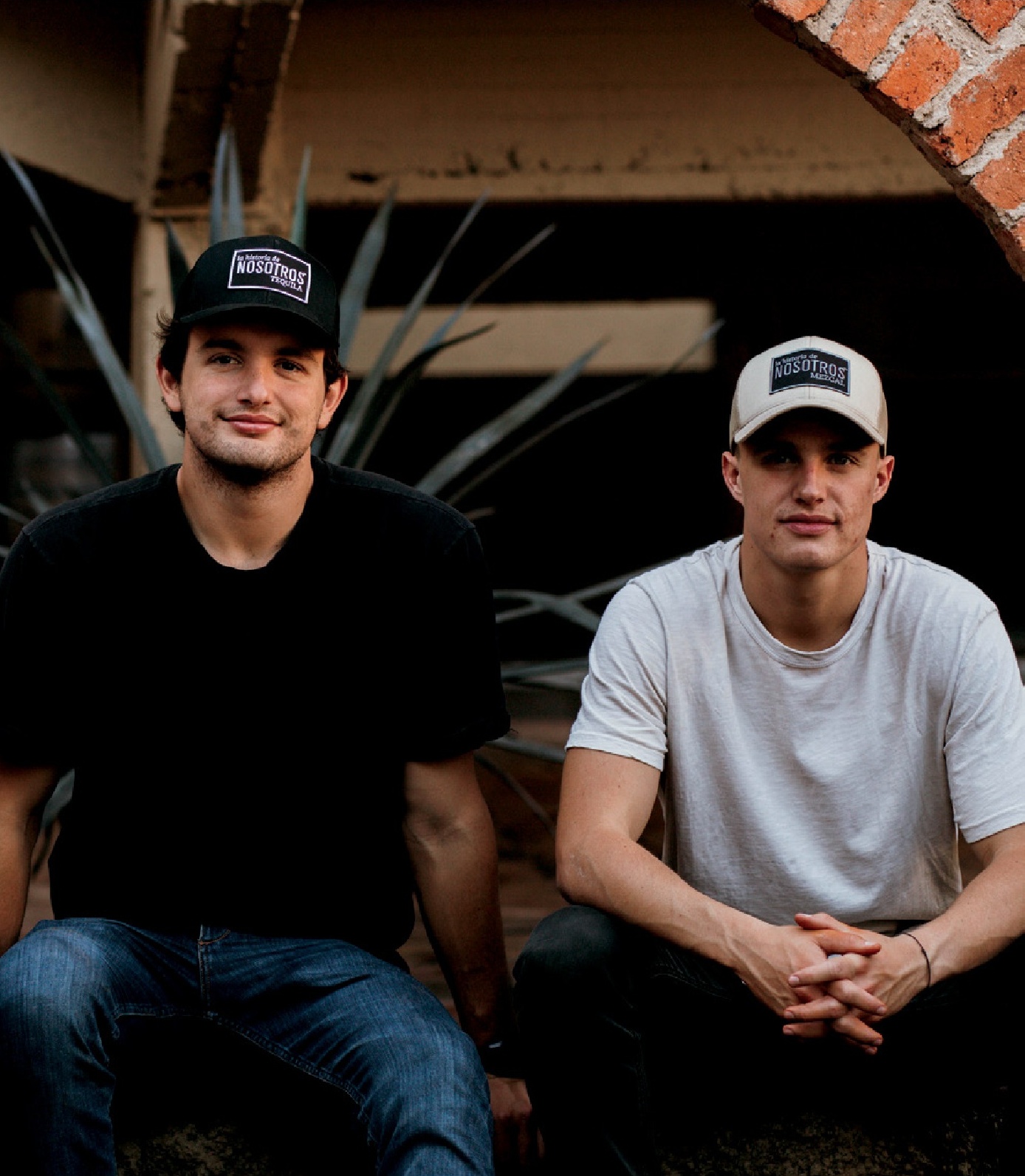
Owners Carlos Soto and Michael Arbanas
I t was a Friday night in September 2015. Carlos Soto was sitting in a bar, conducting a social experiment by watching what drinks people were ordering. His findings revealed two things: There were massive amounts of tequila-based drinks being consumed, and when patrons were asked which brand they wanted, the options were surprisingly limited.
But why was he at a bar conducting a secret survey?
Flashback to a few hours before, when Soto was in his class, “Managing New Ventures,” at Los Angeles’ Loyola Marymount University. The professor had just given a specific assignment: Pitch a business idea unrelated to technology. Tequila was the first thing that came to mind.
“I saw so many millennials and young people coming in and ordering tequila, but there was a complete disconnect with the brands,” Soto recalls. “The brands were, like, Patrón and Don Julio, and that was kind of the extent of it. There wasn’t really much else there.”
His experiment prompted him to look deeper into the industry, where he discovered tequila was experiencing quite a bit of growth. Today, nearly a decade later, it’s hard to imagine the tequila landscape as barren, but Soto says this was “before every celebrity and their mother had a tequila brand.”
“Casamigos wasn’t even a thing,” Soto adds, referencing the George Clooney-led tequila brand.


Soto, who was born and raised in Costa Rica, says he didn’t know much about the culture when he came to the U.S. on a college scholarship. “I’ve never been much of a beer person, and one thing that I really learned being here in California was tequila as a whole,” he says, adding that the large Mexican influence he was exposed to was most felt in the food and drinks.
“I fell in love with it,” he says, “and, really quickly, it kind of became my drink of choice.”
In December 2015, not long after that fateful class, Soto found himself in Mexico, visiting tequila farms and distilleries to better understand its production.
He found a small, family-run tequila distillery in Jalisco willing to take a chance on a college kid with no resume in the spirits industry, and after using $2,500 of his savings, Soto returned home with seven different samples of a tequila blanco. He enlisted 13 of his family, friends and teachers to critique and rank them all. When the one Soto secretly favored was deemed a clear winner, the idea was cemented: He would create a tequila company.
Soto knew if he was going to be successful, he had to have the right partner.
Enter his college friend, Michael Arbanas, who was a year behind him in school but was his equal in terms of vision, drive and talent.
Arbanas was interning as an analyst at a bank while earning a bachelor’s in finance, but he wasn’t happy.

“WE OBVIOUSLY DIDN’T HAVE THE FUNDS THAT A LOT OF THESE BIG COMPANIES HAD TO KIND OF DO IT QUICKLY, BUT IT WAS AN INDUSTRY THAT WE LOVED, AND IT WAS VERY APPEALING."
“The reason why [partnering] was so attractive to me is we got to build the business from zero to one,” Arbanas says. He also knew that everything he was learning in his internship and finance classes could be applied to building a new business.
“The real kicker,” he says, “is we have very complementing personalities and skill sets,” adding that he and Soto “also spoke the same language in terms of business.”
Though Arbanas says he and Soto had no idea they would become so successful, he knew they had a big opportunity in front of them.
“We saw the market shift,” he says. “We obviously didn’t have the funds that a lot of these big companies had to kind of do it quickly, but it was an industry that we loved, and it was very appealing.”
After Soto graduated in 2016 with a Bachelor of Business Administration and a major in entrepreneurial studies, he went to Bank of America in Westchester and took out a personal loan for $18,000. It was just enough, he says, to make their first official batch of tequila.
Unfortunately, that was the easy part.
“We had tons of issues bringing back the bottles,” Soto says, pointing to incorrectly sized and placed labels. As a result, they didn’t sell their first bottle until January 2017.
That wasn’t even taking into account the regulations and hurdles to overcome in the alcohol industry both domestically and internationally, since their product came from Mexico. They didn’t yet have name recognition and reputation in their favor, and perhaps the biggest detriment at the time was their age.
Soto says, because he and Arbanas were just 21 and 22 at the time, it was difficult to convince bar owners that they had a high-quality product. Their biggest challenge was convincing them to try it.
Arbanas remembers the challenge being made bigger by the fact that they were “selling out of our backpacks and not having enough product to leave behind at bars. So, if someone did give us the opportunity, we had to taste it there and then.”
“WE HAD $2,000 LEFT IN THE BANK. IT COST $500 TO COMPETE IN THAT COMPETITION, SO [IT WAS] A LITTLE BIT OF A HAIL MARY."

Despite a clear passion for their product and a genuine desire to build relationships and create community—the name Nosotros means “us/we” in Spanish—they didn’t have enough accounts. Soto’s visa was about to expire, and morale was running low.
Then, they heard about the San Francisco World Spirits Competition.
“We had $2,000 left in the bank,” Soto says. “It cost $500 to compete in that competition, so [it was] a little bit of a Hail Mary.”
Nosotros won the double gold, best tequila blanco of the show and best tequila blanco across all categories, which included major brands like Casamigos and Patrón.
“It kind of gave us that outside validation that we really needed as a brand,” Soto says. “Especially in our category of somebody else saying, ‘These guys have something that’s good.’ And from there, we were able to start setting these appointments…. It was just enough to kind of get that initial movement.”
Total Wine became their first major client, opening up the door to places like BevMo!, Gelson’s and Bristol Farms.
At one point, Nosotros was the largest self-distributing tequila and mezcal company in California. The brand was awarded $1.5 million in funding led by NewBound Ventures and is valued at $40 million. Arbanas and Soto were named Forbes 30 Under 30 in 2023 and have expanded from just the two of them selling from backpacks to a staff of 26 selling in seven states.
Now, as leaders, they have more leverage to make decisions that matter. This means choosing to work with Citlali Ovalle, one of the few female master distillers in Mexico, at the women-run and -led Destiladora Del Valle distillery in Tequila, Mexico, co-owned by Celia Maestri, who is dedicated to promoting women in the spirits industry. They use 100% recycled glass bottles, corks made of sugarcane and labels made from agave fibers left over from the cooking process.
Much like the tequila they make, whose plants take years to mature, the profound changes that happen with time are realities they understand quite well. So, too, is the human element involved in the entire process, and it’s something they’ll never sacrifice in favor of volume or geographical reach. For them, the people part of tequila—the nosotros—is what matters.
“We didn’t start this yesterday, and we didn’t start this with $10 million,” Arbanas says. “When I get the privilege to talk to people [who] run restaurants or people [who] make cocktails, that’s the biggest thing I try to hit home.” He knows they’re serving up something far more valuable than the big-dollar brands by differentiating themselves because they prioritize “human capital and hiring good people—and just being good people.”
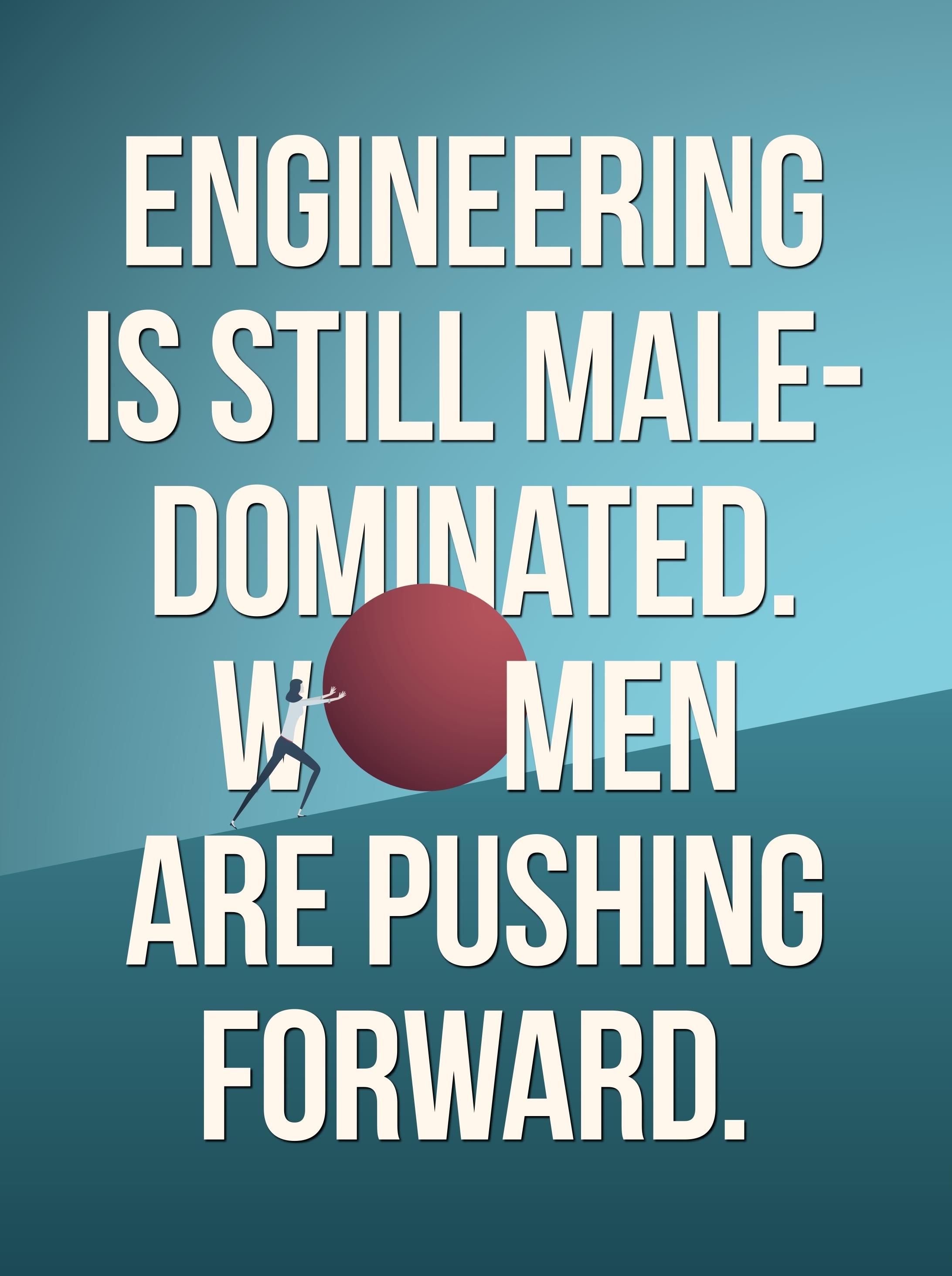
‘BRO CULTURE’ IS DRIVING SOME WOMEN OUT OF THE FIELD. THEY AREN’T HAVING IT.
K ayla Opperman, a Colorado-based former engineer, quit her career in architectural and electrical engineering with MEP firms after six years. She was one of a few women in her graduating class.
It’s been a “tough and questionable” road through her engineering career, but one she doesn’t regret. Engineering has helped her build a self-identity: “I’m capable, intelligent, a hard worker,” she says, adding engineers build the world we live in, affirming their endurance and importance. “Even if you venture away from it, you have a strong plan B.” Getting a job as a female engineer wasn’t the issue—it’s what happened next. Opperman started noticing a difference in how management treated male and female employees. “I was angry a few times at work…. I would notice that, when I was hired on, it was like, ‘OK, yeah, here: Do this, and we don’t really care how well you do it.’ Then, when men were hired on, [company leaders] would sit with them and train them and give them all this attention…. I felt like they were more invested in the men,” she says.
Peter Meiksins, professor emeritus in sociology at Cleveland State University, has extensively studied the sociology of work, including engineers’ work experiences. “The percentage of engineers who are women… hasn’t changed much in the last 10-15 years,” Meiksins says.
Around six to 10 years into their careers, over half of women who graduated with an engineering degree are working in the field, according to the Society of Women Engineers (SWE). But 11-15 years in, that number dives to just around 1 in 4. Meanwhile, male engineers steadily continued working in the 41-43% range in that same time frame.

“LOOK FOR COMPANIES WITH WOMEN IN THE BOARDROOM….”
WHEN MEN ARE PROMOTED OVER WOMEN
Climbing the ladder isn’t easy for some women in engineering.
“[There’s] a lack of career advancement opportunities,” says Roberta Rincon, director of research and impact at SWE.
She points to the 2023 Women in the Workplace report from LeanIn.org with McKinsey & Company, which asserts that, across industries, only 72 women were promoted and hired to a managerial position for every 100 men promoted and hired.
SEEK COMPANIES WHO VALUE WOMEN AT THE TABLE—AND IN THE BOARDROOM
Rincon was the youngest and only female engineer in the two offices she worked in before quitting four years into her career in the late ’90s. “It just felt very lonely,” she says. One time, a coworker planned a deep-sea fishing trip, but she wasn’t invited. “One of my colleagues was like, ‘We’d invite you, but we’re kind of trying to get away from the wives…. This is sort of a male thing.’”
But, Rincon’s experience was a few decades ago, and recent data is showing a bit of progress in workplace satisfaction for female engineers who do stay in the profession. According to a 2023 SWE report, researchers conclude: “Despite the troubling findings on retention, women engineers who choose to stay in the sector report high levels of job satisfaction. According to the National Center for Science and Engineering Statistics, in 2021, 91.8% of women in engineering jobs were satisfied with their careers. Only 8.2% of women engineers reported being dissatisfied with their job. These numbers closely resemble the job satisfaction rates among their male counterparts.”
This is an improvement from even just seven years ago, when in SWE’s 2016 report, one female engineer stated: “When you walk through the doors of [an oil & gas] corporation, you would think you had taken a step back… into the 1950s. When we wring our hands and ask why more women do not study STEM in schools, perhaps we should also look at how women are treated in the workplace after we get those STEM credentials…. Look for companies with women in the boardroom….”
Engineering companies focusing on retention should watch for two “leaky” times, Meiksins explains: right after graduation and when women become parents. Having a community of women at work can help with both. But it starts back in their college programs.
“[College engineering programs are] a pretty unwelcoming environment…. There’s kind of a bro culture that takes root,” Meiksins says. In 2021, 31.9% of women with a STEM bachelor’s degree entered STEM occupations, the National Center for Education Statistics reports. Of those, 10.2% worked in engineering occupations, compared to 21.1% of men. Women aren’t involved in all types of STEM fields equally, the Society of Women Engineers’ data shows. In some types of engineering, like computer and mathematical occupations, it’s only grown 0.9% since 1980. But other types, like biological sciences and architecture and engineering, have more than doubled.
Opperman wanted to leave when she was assigned less important jobs after announcing her pregnancy, she says. After an unpaid maternity leave, she had to come back early and “overcompensate” for being away. Work-life “balance” was almost impossible—she quit her job at 10 months postpartum.
Parenthood can also lead to reevaluating your purpose, too. Susie Taaffe, formerly a chemical engineer, quit before launching undergarment brand Skanties in 2019. She says it was time when her husband left and she was suddenly a single mom to three kids under 5.
“I wasn’t passionate about building gas compressor stations,” Taaffe says. “It was a move to fulfill my life’s purpose instead of just doing a job that made good money.” Finding that direct and meaningful application of engineering to a cause that matters can help you find fulfillment in your career as a parent trying to find balance.
Thankfully, more companies are taking steps in the right direction and are openly on a mission to create diverse and empowering cultures to help with recruiting and retention efforts of female employees, such as Aurora Solar and Carbon.

EDUCATING GIRLS TO LOVE SCIENCE EARLY ON
Rincon’s research shows girls are prepared; their education isn’t the problem. “[It’s] not an issue of whether they can do it or not. It’s more an issue of interest and confidence,” she says. Teachers and peers matter in building that confidence. “A lot of the girls [who] are interested in engineering seem to know someone who is an engineer and has encouraged them to consider it,” Rincon says.
Meiksins calls it partly a PR problem, saying companies have to “call into question some of the behaviors that we tolerate and do something about that.”
In spite of its struggles, engineering is still a place for women to build confidence and excel, Opperman says. Opperman works in a STEM enrichment education program franchise called Snapology, where she makes sure there are girls and women represented in all the marketing materials she makes. She ensures young girls “have fun and play.” She mentors older female students to connect them with women in STEM.
“I absolutely feel like it’s still a valid career to pursue. It built my confidence on what I’m capable of, made me realize being different from my peers is a good thing and makes me stand out more, and I wouldn’t be where I am today without the engineering background,” she says.
She’s glad that, now, it’s “normal” that her daughter’s favorite subjects are math and science. And, if her daughter follows in her footsteps, Opperman wouldn’t be against it.
JOZEF MICICSHUTTERSTOCK.COM
10
ASPIRATIONAL ENTREPRENEURS
MEET NOTEWORTHY CREATIVES WHO ARE CHARTING THEIR OWN PATHS AND INSPIRING YOUNGER GENERATIONS ALONG THE WAY.
THE ENTREPRENEURIAL LANDSCAPE IS EVER-EVOLVING, and it takes a specific type of leader to ride the waves of disruption and innovation. These 10 notable entrepreneurs—ranging in expertise from nonprofit heroes to culinary connoisseurs—share resolve, creativity and ambition that inspires a deeper look into their journeys toward success.
Meet the aspirational entrepreneurs who are charting their own paths.

1 LAURA VOGEL / VOGELLE
The model-turned-entrepreneur self-funded and launched an international handbag brand in 2020 as a 21-year-old exchange student in Milan. While in Europe, the ever-observant Vogel noticed that small, chic bags—casually, yet carefully, draped over the shoulders of Italian women—“were just starting to have their moment and become a style.” Using her background in marketing and finance, Vogel got to work creating Vogelle’s signature bags. The result was a series of sleek silhouettes made of timeless genuine Italian leather and accented with gold hardware that have massively appealed to buyers of all ages. Throughout the past four years, the native Coloradoan has harnessed the power of social media to grow her brand, both organically and with influencers.

2 ZHENGHUA (Z) YANG / SERENITY FORGE
One night, an 18-year-old Yang woke up choking on his own blood—the result of a fatally low platelet count. Doctors gave him hours to days to live. Yang surpassed that predetermined fate but ended up hospitalized for two years with a severe blood disorder, terrified that “even the smallest muscle movements” could kill him. To fight isolation, Yang started playing online games, logging more than 10,000 hours in games like League of Legends and making friends from around the world along the way, including a medical researcher who connected him with world-renowned hematologists. Yang wanted to embrace his revived sense of purpose and create video games that teach, inspire and “literally and metaphorically save lives.” Since its 2014 launch, video game development company Serenity Forge has had a string of successful releases, including Where the Water Tastes Like Wine and Doki Doki Literature Club Plus!—successes that landed Yang on Forbes 2020 30 Under 30 list. Yang sees video games changing our world over the next few years in a variety of areas, ranging from education to business operations to social impact. “Video games saved my life, and they just might save yours, too,” Yang says.

3 TIFFY CHEN / TIFFY COOKS & KAI DONG
Growing up in Taiwan, Chen had access to some of the most delicious, vibrant street food in the world. It’s something she missed greatly as a college student in a small Canadian town with no Asian food. Chen was homesick, missing the flavors and aromas that connected her to family. So, Chen took matters into her own hands—and her basic student housing kitchen. She started making small, easy dishes like fried rice before leveling up to complicated delicacies like pho. An activity that started as a stress reliever has grown into a massive social media following, a cookbook and segments on shows like Good Morning America. Last November, Chen launched Asian foods company kai dong (Mandarin for “Let’s eat!”), bringing her beloved recipes straight to kitchens across the country with premium ingredients and easy-to-follow recipes.

4 AJR
The indie pop trio—brothers Jack, Ryan and Adam Met—started off busking in Washington Square Park. Now, they’re playing multiple nights at the famed Madison Square Garden. But the band hopes to make an impact beyond their music by practicing environmental sustainability while touring. They think about their environmental footprint before they even hit the road, considering everything from offsetting their carbon emissions to avoiding single-use plastics. AJR also considers who they partner with, like Planet Reimagined, a nonprofit that trains future climate leaders with tailored fellowships that teach researchers and advocates to work together for ultimate impact. (Bassist Adam, who has a Ph.D. in international human rights law and sustainable development, is the founder and executive director of the organization.) Recently, Planet Reimagined partnered with UK-based nonprofit Climate Outreach on a first-of-its-kind study designed to gauge fans’ perceptions of artists who use their platform for important issues.

5 ANNA AXSTER AND WENDELIN VON SCHRODER / LODESTAR WHISKEY
After spending more than a decade in the music and film industries, the cousins had acquired a taste for premium whiskey while hanging out backstage and in countless bars and venues. When the pandemic halted the entertainment industry, Axster and von Schroder decided to turn grains into whiskey. They knew what flavor notes worked well from their time as amateur whiskey connoisseurs—but they also knew that whiskey is mostly served as a “man’s drink.” “So, we set out to craft our own and invite everyone to the party,” the founders say. With the launch of Lodestar Whiskey last year, the duo created a deliciously smooth spirit by blending straight high rye bourbon and American single malt whiskey—a whiskey so enviable that it’s the first backed by Diageo’s Distill Ventures award-winning Pre-Accelerator program that support beverage industry entrepreneurs from underrepresented backgrounds. “Building community is one of our guiding principles,” Axster says. “It was important to us that our whiskey is approachable…. We wanted it to be inclusive and inviting to those who are new to the whiskey community while also satisfying the palates of those who enjoy whiskey regularly.”
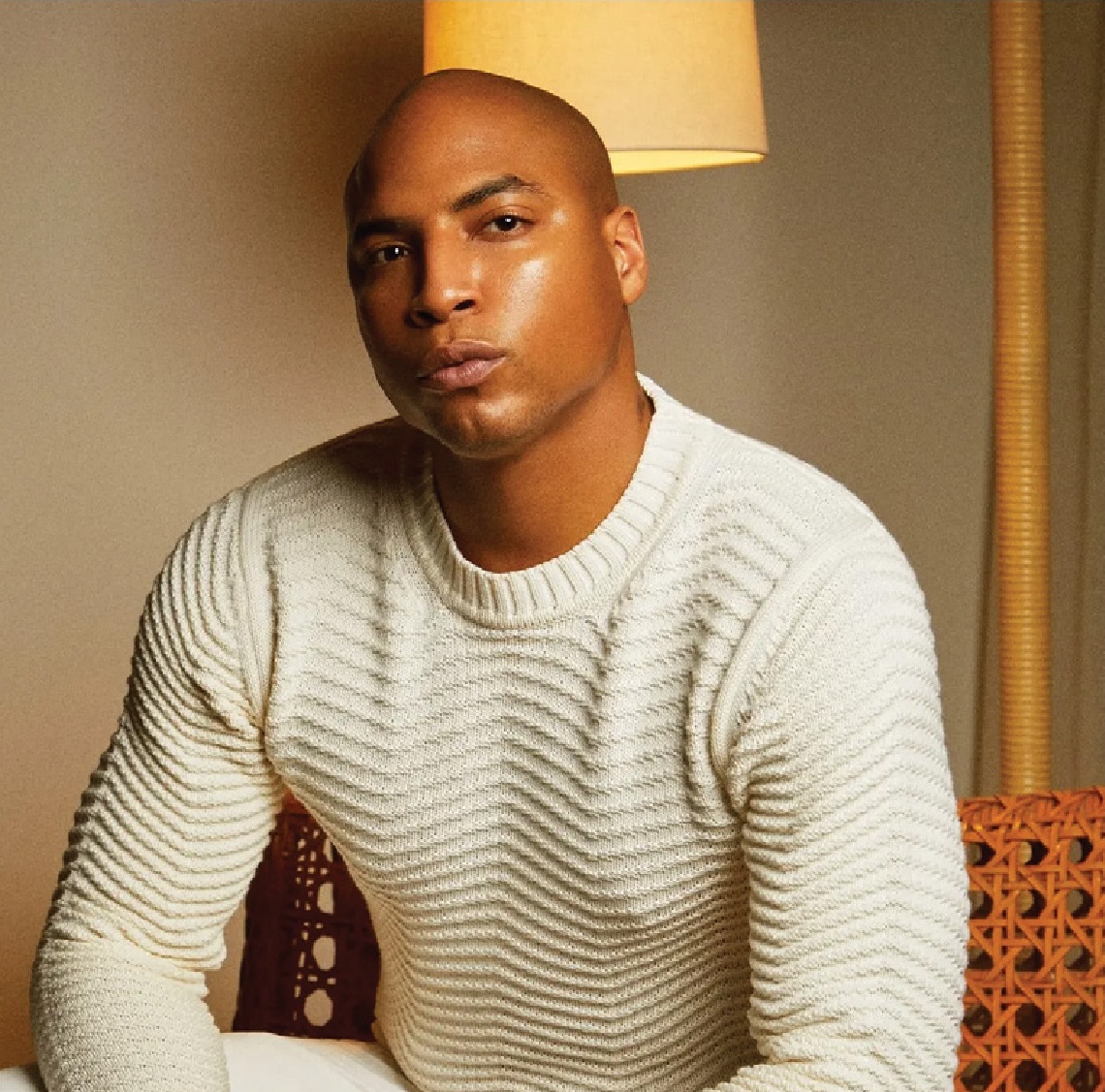
6 DORION RENAUD / BUTTAH
You’ve likely seen Renaud before, perhaps as a model in the pages of Vogue or as a host/correspondent on Extra. But, arguably, Renaud’s most important role has been founder of Buttah, a highly effective line of skin care products for melanin-rich skin. Buttah was inspired by Renaud’s own unique skin care journey, in which he searched for the right products for his skin while battling dark spots, pigmentation and irritation from consistent TV-ready makeup application. Renaud started working shea butter into his routine at the suggestion of a photographer. Now, it’s his line’s main ingredient, sourced from Ghana, West Africa. Along the way, Renaud has also inspired other men to take care of their skin. Bottom line: Common skin concerns like hyperpigmentation don’t have to be normal. “How you look is important; how you feel about yourself is important,” he says. Since Buttah launched in 2018, it’s cultivated a powerful following that has included celebrities such as Beyoncé, Keri Hilson and even 2 Chainz.
RENAUD STARTED WORKING SHEA BUTTER INTO HIS ROUTINE AT THE SUGGESTION OF A PHOTOGRAPHER.

7 JORDAN WEBSTER / CACTUS JACK FOUNDATION
At 24, the former legislative fellow leads nonprofit Cactus Jack Foundation as managing director. The organization—founded by Webster’s brother, hip-hop artist Travis Scott—aims to extend youth access to educational opportunities, regardless of socioeconomic circumstances. Webster, a 2022 Howard University graduate, leads the foundation’s extensive education efforts and spearheaded the Waymon Webster Scholarship Fund, named for the siblings’ late grandfather Waymon T. Webster, who was dean of Prairie View A&M University’s graduate school. In 2022, the Waymon Webster Scholarship awarded $1,000,000 in scholarships to 100 graduating seniors from 38 historically Black colleges and universities in an effort to alleviate financial challenges in the students’ final semester. “It means the world to me to be able to work with my brother as he creates hope and makes a real difference for our peers and their families,” Jordan said in a statement.

8 PAUL CHARETTE / CHARETTE COSMETICS
As the visionary behind Charette Cosmetics, Charette has a keen eye for detail, a dedication to inclusion in beauty and a passion for quality—characteristics that have elevated his brand in the luxury cosmetics space. Charette’s extensive background as a medical aesthetician and cosmetic practitioner helps fine-tune the products and procedures offered at Charette Cosmetics Medical Spas in Atlanta, Dallas and Miami. Through Charette’s foresight and adaptability, the brand has set new standards in the ever-evolving beauty industry with a focus on inclusivity by creating products that are beneficial for all skin types. “I want people to be able to feel more beautiful, comfortable and confident in their own skin,” he says, “and making treatments available to everyone is the first step.” Others are noticing, too. Some of Charette’s key products have been featured on Bravo and in Women’s Health and Newsweek.

9 ARIELLE ZAPPIA / PROJECT WHY
The Southern California teen began noticing a rise in homelessness a few years ago. It was something she couldn’t shake. Zappia was bothered by the lack of information about homelessness and the stigmas attached to drug addiction and mental illnesses, two issues that are often prevalent within the unhoused community. So, in 2022 at 14 years old, she fueled her interests in entrepreneurship and innovation into founding Project WHY (which stands for “We Hear You”). “I feel as though society has lacked empathy [toward] homelessness for a very long time,” she says. “It is time for a genuine change.” As CEO of the nonprofit, she partners with various organizations to interview her “unhoused neighbors” and share their stories, which are published on Project WHY’s website. “I realized that, in order for us to genuinely understand individuals experiencing homelessness and the overall experience of homelessness, we needed to learn it from those experiencing it,” she says.
10 HAILEY CLAUSON / MARGAUX
For more than half her life, Clauson has modeled for some of the biggest fashion brands, including Versace, Gucci and Jean Paul Gaultier, and appeared in several Sports Illustrated Swimsuit issues. Now, she’s leveraging her range of experience and applying it to her role as co-owner and creative director of Margaux, a Los Angeles-based boutique modeling agency. In a way, this is a full-circle moment for Clauson, who started modeling at age 13. She’s tapping into her expansive network to give Margaux’s models the support and safety she longed for from agencies she worked with throughout her storied career. As creative director, she supports talent from a variety of backgrounds, ranging from age and body type to culture and gender.
©AMANDA TROMP; KEVIN ZHANG/COURTESY OF ZHENGHUA YANG; COURTESY OF TIFFY COOKS; ©AUSTIN ROA/COURTESY OF AJR; SALLY PETERSON/COURTESY OF LODESTAR WHISKEY; COURTESY OF BUTTAH; ©BOB LEVEY/GETTY IMAGES FOR CACTUS JACK FOUNDATION; ©CAMERON PERRY/COURTESY OF P. CHARETTE; COURTESY OF ARIELLE ZAPPIA; ©SABRINA MILLER/COURTESY OF H. CLAUSON
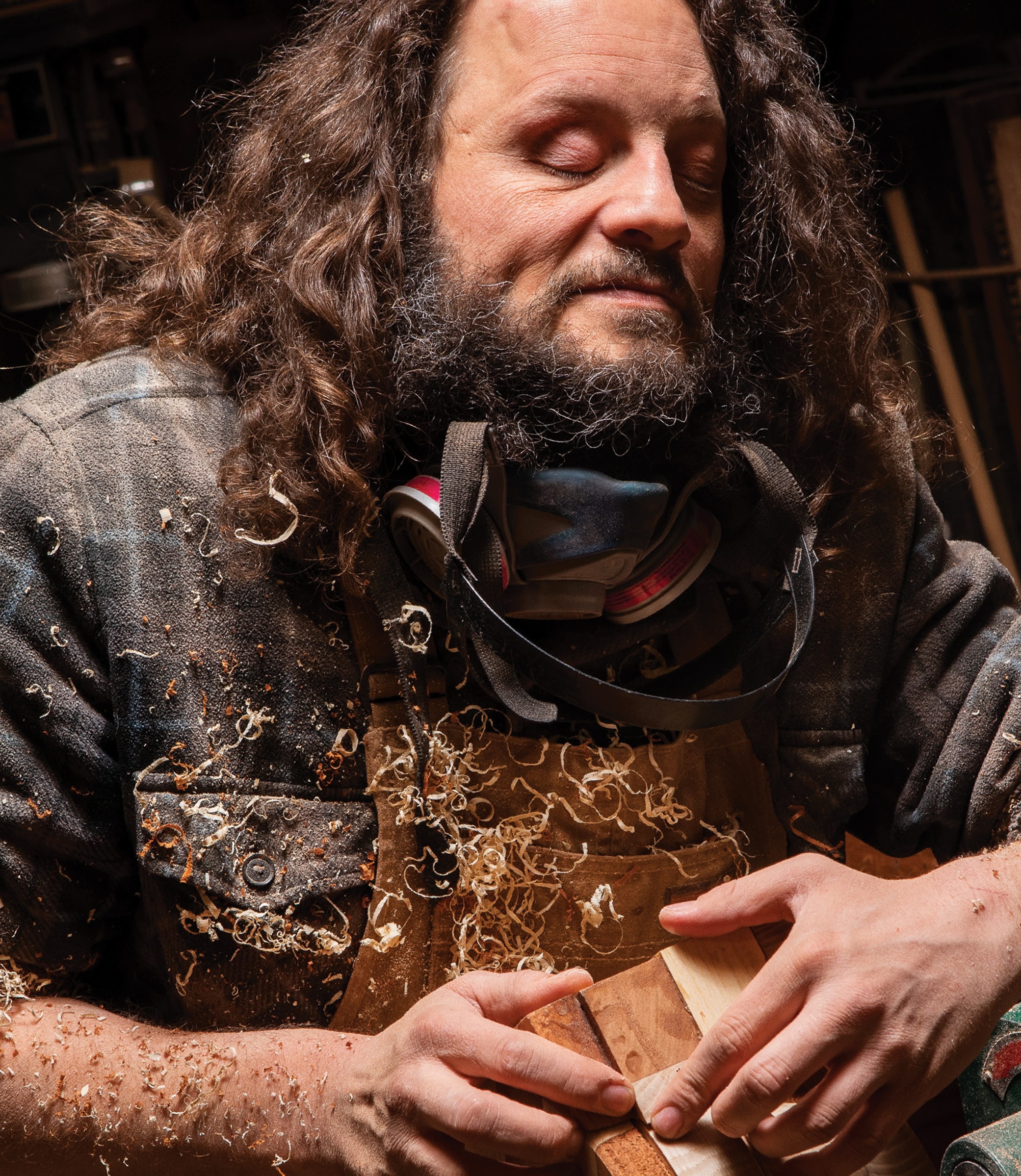
GROUP CHAT
The Blind Woodsman
For many people, art is visual. John Furniss teaches us that being blind doesn’t strip away visual creativity. When he lost his sight at a young age, it changed everything. Uninterested in a computer job and unfazed by the limited opportunities for his career, he turned to woodworking. Now, millions follow the cherished TikTok artist, dubbed The Blind Woodsman, who challenged his disability and turned it into a successful art career.
Read more online at SUCCESS.com
©NOLANCALISCH/COURTESY OF JOHN FURNISS
GROUP CHAT | MY WAY

Lang Lang
NEW YORK
Lang Lang is a global music phenomenon. The brilliant musician has been recognized as a maestro with a flair for reshaping the meaning of classical piano. Throughout his career, Lang has been published in TIME, The New Yorker and NPR. At a tender 15 years old, Lang moved from China to Philadelphia to study at Curtis Institute of Music, leading up to a successful debut performance at Carnegie Hall. Since then, he’s conquered stages across the world with renowned orchestras and famous artists. He also played at the 2008 Summer Olympics in Beijing. He builds his passion for music further by sponsoring children’s education with his foundation, Lang Lang International Music Foundation. His latest album, Saint-Saëns, is out now.

I ALWAYS START MY DAY BY…
listening to music and checking messages from my family and friends.
ONE THING I DO EVERY DAY IS…
practice piano.
MY MANTRA IS…
to always look forward.
WHEN IT COMES TO PIANO, I WISH MORE PEOPLE KNEW THAT…
the piano is capable of so many different types of sounds. It is the one instrument that has the range of an entire orchestra.
MY BIGGEST SOURCE OF INSPIRATION…
comes from large-scale symphonic works and great movies.
ONE THING THAT’S DIFFICULT FOR ME BUT THAT I ENJOY IS…
traveling. I’m always on the road.
I HANDLE NEGATIVITY BY…
watching sports games—especially football.
ONE WAY I STAY STRONG IS BY…
having a great family behind me.
WHEN I NEED A JOLT OF ENERGY…
I play with toy cars with my son.
I’M CURRENTLY LOOKING FORWARD TO…
my upcoming tour and my new album.
THE MOST SURPRISING THING ABOUT ME IS…
I don’t go to nightclubs.
I WANT PEOPLE TO KNOW ME FOR…
supporting children’s education in music.
IN 10 YEARS, I HOPE TO…
extend my foundation’s presence across the world and provide more children with access to a quality music education.
I DEFINE SUCCESS AS…
bringing joy to others.

©SIMON WEBB; ©OLAF HEINE; DISNEYLAND®/©2022 RICHARD HARBAUGH/COURTESY OF LANG LANG
GROUP CHAT | CALENDAR
Who, What, Where
DON’T MISS THESE IN-PERSON AND VIRTUAL INDUSTRY EVENTS HAPPENING SOON.

DIGIMARCON
JULY 1–2
Washington, D.C.
CONTENT TOKYO
JULY 3–5
Tokyo, Japan
WOMEN INTO LEADERSHIP
JULY 18
Virtual
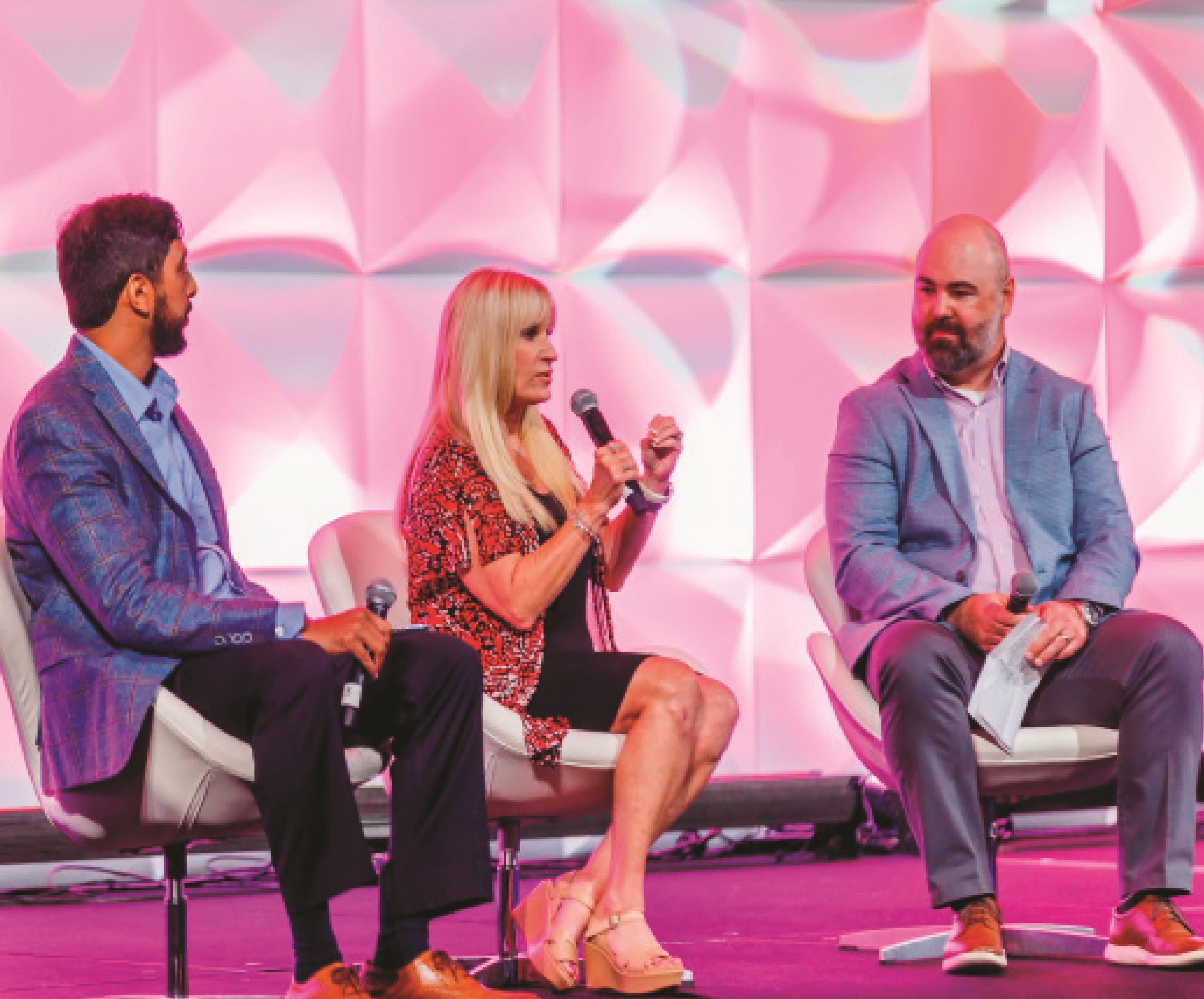
AI4
AUG. 12–14
Las Vegas, NV
DIGITAL SUMMIT
AUG. 14–15
Minneapolis, MN
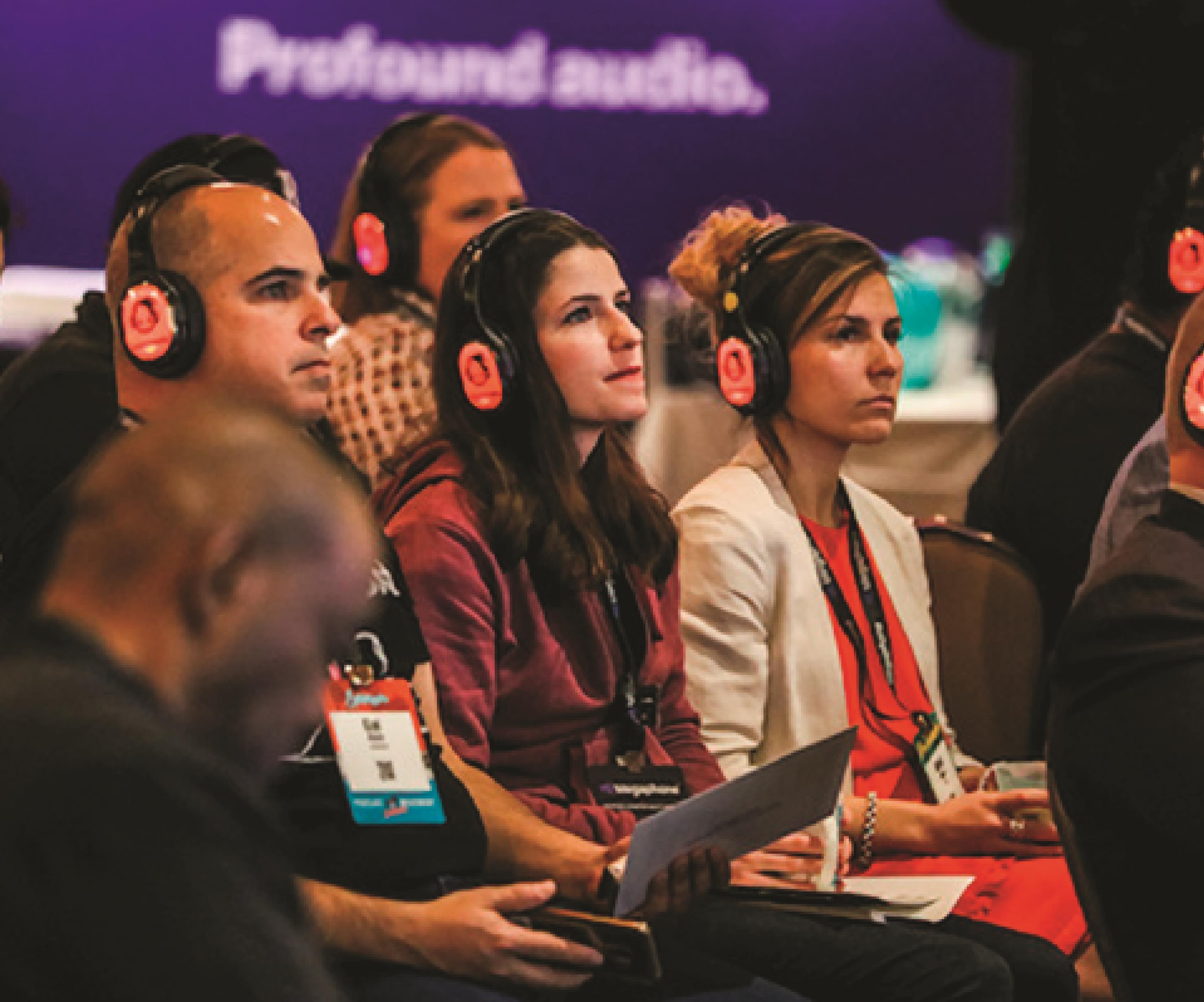
PODCAST MOVEMENT
AUG. 19–22
Washington, D.C.
ANNUAL WELLNESS SUMMIT
AUG. 26–29
Chicago, IL
OLEKSIY MARK/SHUTTERSTOCK.COM; COURTESY OF AI4; RACHEL M. HEIMERMAN/PODCAST MOVEMENT

GROUP CHAT | MENTOR MESSAGE
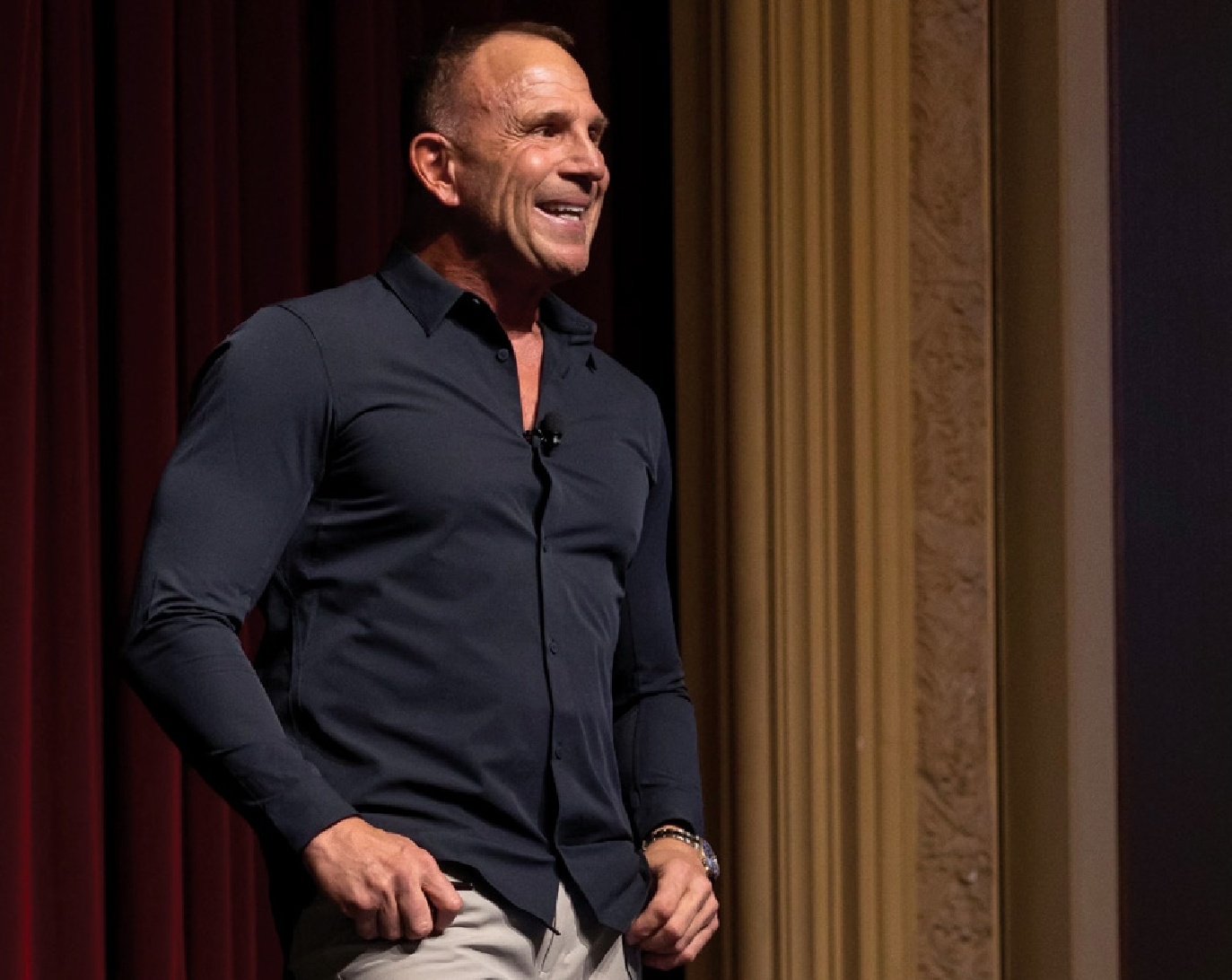
Coaching Compass
FINDING THE RIGHT MENTOR IS KEY TO UNLOCKING YOUR HIGHEST POTENTIAL AND SUCCESS.
I f you have a business or big career ambitions, you’ll likely desire a coach or mentor at some point throughout the journey. These individuals help you navigate setbacks, challenges, opportunities and even successes. They also become instrumental when that next level of success requires additional support.
However, not all coaches are the same. You want someone who’s qualified, but you also need a coach who will be the right mentor for your individual needs. Hiring a coach is an investment and a commitment, which means that due diligence is paramount. Jon Cheplak, coach, consultant and CEO of The Real Recruiter, offers insights to navigate this process. He explains that research, asking questions and self-assessment are key.
“[A GOOD COACH] REALLY HOLDS THE LINE ON PRINCIPLE AND DOESN’T LET PERSONALITY BLUR THE LINES.”
THE MAIN BENEFITS OF WORKING WITH A COACH
For one, a coach “can see your blind spots,” Cheplak says. They offer an outside perspective, helping you identify what you might not always see on your own. “They show you the highest form of love, which is accountability,” he says. “[Accountability] is observing or noticing without judgment, while allowing you to self-discover so that you can choose your next steps and have an internal decision process versus an external decision process.” Rather than feeling like a decision was forced upon you, this value of personal agency is a beneficial core component when facilitated correctly by the coach.
HOW DO YOU DEFINE A ‘GOOD’ COACH?
Cheplak says that this starts with integrity. “[A good coach is] someone who walks the talk…. [There are] too many coaches out there [who] say one thing and they live in an entirely different way,” he explains. Getting to the heart of this requires asking strong questions, Cheplak says.
“[A good coach is] not constantly trying to validate themselves by overwhelming their client with information,” he says. They will empower their client to be in the driver’s seat and act as a guide who ideally operates from a place of contribution and empathy. “[A good coach] really holds the line on principle and doesn’t let personality blur the lines,” he says. They hold their clients accountable versus “just being a rah-rah cheerleader.”
In addition to wisdom and guidance, mentors bring objectivity. “The toughest thing on the planet to do is to be a third-party observer of self. I don’t mean to look down, to judge, but to observe the field of play,” Cheplak says. He explains that a good coach offers a different perspective and firsthand insights from having been where you are trying to go. “The ultimate shortcut and ultimate fast path to growth is avoiding the mistakes you don’t have to make,” he says, emphasizing that a good mentor already possesses the knowledge, lessons and proof of concept. These are invaluable on one’s path toward success.
“THE ULTIMATE SHORTCUT AND ULTIMATE FAST PATH TO GROWTH IS AVOIDING THE MISTAKES YOU DON’T HAVE TO MAKE.”
CHOOSING THE RIGHT COACH
Cheplak says that this is unique to each person. “We all respond differently,” he says. “There are some people [who] respond to an absolute in-your-face… type coach.” In addition to recognizing one’s preferred style, a person must also determine what they actually need from a coach.
Do you need a specific strategy and tactic? Then maybe you need someone who’s operational-focused. Or do you need someone who can support you with a bigger vision? Ask yourself, “Which of those do I need the most?” One might think they need business support, but, really, they need personal development. For example, they might need to address the root causes of any reluctance or accountability struggles.
Still, Cheplak says the most important thing is to find someone who genuinely believes in you, perhaps even more than you believe in yourself. “In business coaching, there’s the business side of it; there’s the personal side of it,” Cheplak says. “But many, many people come to a business coach for that human element more than anything.”
It’s also important to be on the lookout for red flags, such as inconsistent messaging. “What that tells me is that the coach is just looking for money,” he says. “They’re just trying to find where the money market is.” Essentially, a mentor should show consistency in their content and offer expertise versus jumping into the next trending niche. Similarly, Cheplak says transparency is critical, not just in the coaching relationship but during the exploration and discovery process.
“Everything going on privately shows up publicly,” he says. Look at their habits, family situation, path to health and wellness, ongoing personal development and whether or not they have a coach. Cheplak also says to look for credibility. This includes observing how public a coach is about their clientele, whether past clients talk about their work together or even talking to current or past clients. All of this helps demonstrate a coach’s value. It’s critical to avoid coaches who cannot and do not admit their flaws. Another red flag is a coach who claims, or appears, to have all the answers, Cheplak says, “because they don’t.”
LEARNING FROM THE PAST
If you’ve had a bad experience with a coach in the past, Cheplak’s advice is to remember the value of having a mentor and to know that good coaches are still out there. “Trust the process,” he says. “All high performers have a coach or consultant. CEOs do; high-performance athletes do,” he says, explaining that success comes from having support. Almost always, we can find that spot where we saw the red flags, yet we didn’t listen to ourselves. “You’ll continue to repeat history over and over based on your ‘picker,’ if you will…. Don’t blame the player; evaluate the game,” he says. Reflect back and this will help you move beyond the negative experience and help you get the right support from the right coaches moving forward, Cheplak says.
COURTESY OF JON CHEPLAK
GROUP CHAT | TECH TIME

Aurelia Institute designs next-generation space habitats, like this sea creature Nautilus-inspired artificial gravity space station.
Using Space Innovation to Save Earth
RESEARCHER ARIEL EKBLAW IS HELPING EXPAND HUMANITY INTO SPACE. SHE HAS HER EYE ON SAVING EARTH, TOO.
T ake your vision of the future, multiply it a few light-years and you have a glimpse into the possibilities in Ariel Ekblaw’s mind and career. She’s the founding director of the MIT Space Exploration Initiative and co-founder and CEO of Aurelia Institute, a nonprofit education and research center and space architecture research and development lab. Ekblaw, Ph.D., works on multiple projects aimed at expanding humanity’s ability to thrive in space.
And this isn’t part of some far-off, futuristic vision. Some of her concepts are already underway, and others will benefit humanity in the next few years. Think: floating apartments and remote work environments circling our planet; diverse, microbiome-improving food options that are far from the “space food” in the movies; artificial retinas that cure blindness on Earth; and AstroAnt robots that function like tiny cars to diagnose and repair spacecraft.
“EARTH IS THE BEST HOME HUMANITY WILL EVER HAVE. IT’S THE ONLY PLACE WHERE OUR BIOLOGY CO-EVOLVED WITH THE PLANET, SO WE ARE ALWAYS GOING TO BE BETTER SUITED HERE.”
Her team isn’t looking to leave Earth to visit other planets; they are looking to expand into the closest layer of space.
“Earth is the best home humanity will ever have. It’s the only place where our biology co-evolved with the planet, so we are always going to be better suited here,” Ekblaw says.
Here are a few innovations she’s working on.
ARTIFICIAL RETINAS THAT CURE EYE DISEASES
Retinitis pigmentosa is the leading cause of heritable blindness and affects approximately 100,000 people in the United States and 1.5 million people worldwide. Macular degeneration, the leading form of blindness in patients over 55, affects 10 million in the U.S. and over 50 million worldwide. These stats from LambdaVision co-founder and CEO Nicole Wagner, Ph.D., are what’s driving her to solve the world’s vision issues supported by Ekblaw’s VC fund.
Patients can’t just get a new retina. But in orbit, where gravity restrictions don’t apply, artificial retina scientists apply over 200 layers of a matrix to make an artificial retina. “What’s special about this is that it needs microgravity to happen—it can’t be done on Earth. The reason it can’t be done on Earth is because of sedimentation,” Ekblaw says, referencing a drink, where “stuff sinks down to the bottom.” Those particles would lead to lots of errors in the matrix, with those errors “amplified by every layer.”
“Microgravity gives you this beautiful floating environment, kind of like the womb, where eyes are originally grown,” Ekblaw says. “And it’s the perfect environment.” Those space-built retinas would be a welcome alternative to prosthetics that people have to wear over their eyes currently, Ekblaw says.
Wagner expects the project to be in clinical trials in three to four years. “There is a huge unmet need to help patients blinded by these diseases, and our goal is to [get] the artificial retina into patients in need as soon as possible,” Wagner adds.

Space stations of the future may feature decentralized pods, bonded together, for safety and organic expansion to reach greater scale.
FLOATING TRANSFORMABLE BUILDINGS FOR PARTIES, CONCERTS AND YOUR NEXT REMOTE MEETING
TESSERAE: It stands for Tessellated Electromagnetic Space Structures for the Exploration of Reconfigurable, Adaptive Environments. Confused? Just think of a large, transformable floating pavilion that’s “big, beautiful science fiction” but modular, cut into different tiles that can be packed flat into a rocket, Ekblaw says, “like a glorified PEZ dispenser.” She compares them to Legos that could build themselves in space.
“Right now, on the International Space Station, if there’s a micrometeorite impact, and it punctures the space habitat, you have to repair it…. It’s actually very hard to repair,” Ekblaw says. “But the idea with a reconfigurable habitat is that there’s all these different parts. If there’s damage to one, you just pop it off and replace it.”
“WE SHOULDN’T ALWAYS JUST TAKE UP INTO SPACE THE CULTURAL ARTIFACTS FROM EARTH; WE SHOULD LET THAT ALSO BE A DOMAIN WHERE WE ARE CREATING NEW AND NOVEL CULTURAL ARTIFACTS FOR HUMANITY.”
Even more fun, you can swap out your window that previously had a view of Earth for a docking port where your friends might show up for a party at your building, she says. “It’s meant to be architecture in space that would finally scale access.”
Ekblaw estimates that, perhaps in the next decade, scientists and researchers might head to space, too, instead of just astronauts. Then, tourists might come later, in the 2040s.
Ekblaw’s team is planning its first test in 10 years. And if you ask Ekblaw how expensive a ticket to your remote workplace hangout in space might be, she compares it to probably “slightly fancy commercial aviation.”

As an interdisciplinary team, Aurelia’s space architects are bringing beauty and aesthetics back into space architecture design with concepts like functional rose windows.
MUSICAL INSTRUMENTS MADE FOR SPACE
In addition to improving Earth, Ekblaw’s vision involves building the future of human culture in space. “We shouldn’t always just take up into space the cultural artifacts from Earth; we should let that also be a domain where we are creating new and novel cultural artifacts for humanity,” she says. Ekblaw points to a Telemetron, a steampunk-inspired object with two percussive elements inside two modules that can only be played while floating.
Designers Sands Fish, Nicole L’Huillier and Thomas Sanchez Lengeling have already played this instrument on a “Zero-G flight,” at the top of which you get around 20 seconds of microgravity. “[Then] they turned that one Telemetron into a zero gravity orchestra—they had a series of other types of instruments that have been designed for the same environment,” she says. “Quirky, wacky, beautiful design.”
“WHAT’S SPECIAL ABOUT THIS IS THAT IT NEEDS MICROGRAVITY TO HAPPEN—IT CAN’T BE DONE ON EARTH.”
She wants to ensure that nonscientists can expand into space. “We need welders. We need plumbers. We need all kinds of tradespeople, so it will be a combination of traditional blue-collar work and white-collar opportunities,” Ekblaw says.
She’s a part of two flights per year, one with Aurelia and one with MIT, with an eye on equity. “We try to do it explicitly with communities that are not as often welcomed into aerospace,” she says, whether it’s due to their industry, like artists and musicians, or because they are from marginalized communities with less access to STEM education, she adds.
So, the next time you are shopping for apartments or your next best remote office, remember that one with a window facing planet Earth from space, no matter your industry, might not be far off.
©AURELIAINSTITUTE.ORG

GROUP CHAT | ROUNDUP

GOOGLE GENERATIVE AI SEARCH
Use: Intelligence
Cost: Free
Note: At the time of writing, Google Labs had rolled out a generative AI search that Google users could opt into for testing. If you’ve ever typed a question into Google and wished for a tailored, comprehensive answer, then Google’s Search Generative Experience (SGE) could be for you. SGE search uses artificial intelligence to respond to search queries with a few paragraphs or a list, as well as related questions.
SGE is especially helpful for process-type questions. When you ask questions about how to use something or how something works, SGE responds with step-by-step answers.
MICROSOFT CLARITY
Use: Behavior analytics
Cost: Free
Your website is the face of your business, and whether your visitors convert heavily depends on its user experience. Microsoft Clarity, a user behavior analytics tool, tracks user behavior on your site by recording users’ sessions and displaying “heatmaps,” which show elements with high user engagement.
The tool, which can be installed in the header of your website, detects dead clicks (when a user clicks on something and nothing happens) and rage clicks (when a user repeatedly clicks an element, sometimes indicating frustration). You can also access insights on what the user’s behavior might actually mean. These insights explain how the user arrived at your website and what their actions were while on your site.
FOUNDERSCARD
Use: Discounts
Cost: Try the app for free for six months with some limitations; then, it’s $595/six months + $95 initiation fee.
FoundersCard offers discounts on a variety of options, including travel and business products. If you’ve been eyeing a pricier software package, it’s definitely worth checking out the discounts, which include Stripe, Amazon Web Services (AWS) and Zendesk.
The travel benefits are fairly standard with special pricing for flights, hotels and airport lounges—but there are also some more extravagant benefits like preferred pricing on car rentals and private flights.
POCKET
Use: Curate content
Cost: Free; $44.99/year or $4.99/month for a premium subscription
Do you often find articles you are interested in when you don’t have time to read them? The Pocket app lets you save articles and come back to a curated selection of content later. You can save articles within the app and from the web. Saved articles are placed in your “Pocket,” then you can tag it to organize your content.
The premium version includes a permanent library, a customized reading experience with layout options and suggested tags based on your previous tags.
BONSAI
Use: Business management tool
Pricing: Starter packs are offered at $21/month with higher-priced options available.
There is a whole lot packed into this little product that bills itself as “one platform to streamline your entire business.” It’s true: There are a lot of options, including invoicing, proposal writing, scheduling, project management, a CRM and more. Bonsai also offers business banking accounts with no minimum balance requirement and automatic budgeting and expense management.

THE AI PLAYBOOK: MASTERING THE RARE ART OF MACHINE LEARNING DEPLOYMENT BY ERIC SIEGEL
Publisher: MIT Press
With all the hype around generative AI, are we missing out on other technologies? Former Columbia University professor and machine learning consultant Eric Siegel, Ph.D., believes so. In The AI Playbook, Siegel outlines a six-step “gold-standard” practice for taking machine learning projects from idea to deployment. Siegel hopes to bridge the gap between data professionals and business professionals through education. He explains the misleading hype around generative AI and the real business uses for machine learning.
COURTESY OF SOAAK; COURTESY OF POCKET
GROUP CHAT | FROM THE ARCHIVES
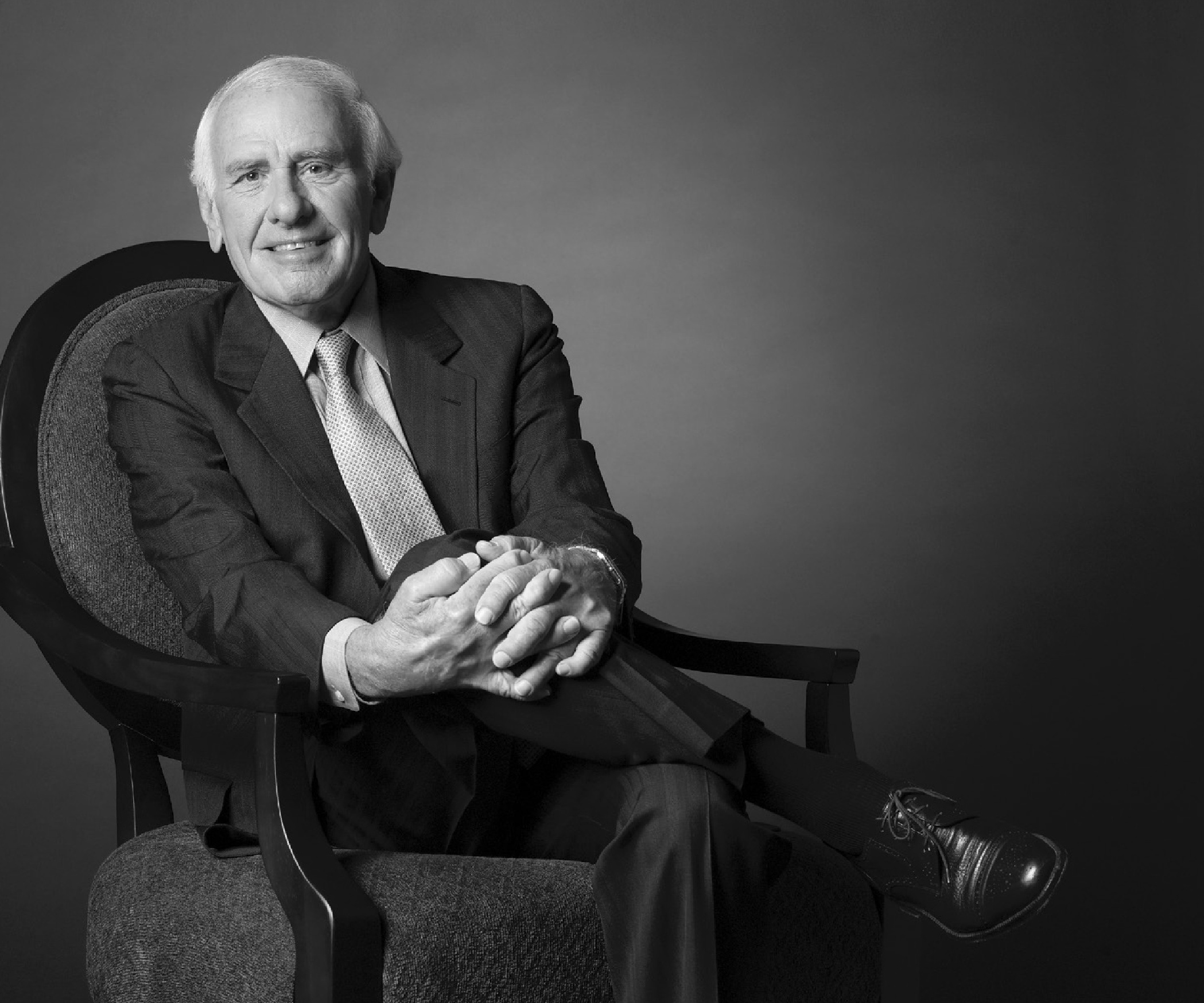
6 Ways to Act on Your Ambition
WE SHARE WORDS OF WISDOM FROM THE LATE, WORLD-RENOWNED MOTIVATIONAL SPEAKER JIM ROHN.
B uilding your ambition is building your enterprising skills: To consistently create new opportunity, to consistently take advantage of the opportunity you’ve created, to be aware, to face life with your eyes and ears open to the possibilities that might be just around the corner. Self-enterprising people always see the future in the present. Selfenterprising people will always find a way to take advantage of a situation—not be burdened by it. Enterprise is always better than ease. Every time we choose to do less than we possibly can, it affects our self-confidence, our self-worth. If we keep doing a little less every day, we are also being a little less. If we don’t feel good about ourselves, we won’t feel good about our lives. And if we don’t feel good about our lives, we won’t be very interested in looking for opportunities.
You can reverse this process by using your self-direction, self-reliance and self-discipline. You alter your course by doing a little more each day. And pretty soon, you’ll develop a new habit of doing rather than neglecting.
Success isn’t in the having. Success is in the doing. It’s the process of doing that brings value. It’s the activity that transforms our dreams into reality, that converts ideas into actuality. Self-enterprise is found in the activity. For without activity, we’ll miss the opportunity.
Some people out there would have us believe that positive affirmation is more important than activity. Instead of doing something constructive to change our lives, they would have us repeating slogans, such as, “Every day and in every way, I’m getting better and better.”
Well, getting better doesn’t just happen from wishful thinking. Getting better only happens with the discipline of doing better. Discipline is the requirement for progress. And affirmations without discipline are—in all reality—delusions.
Now, don’t get me wrong here. There’s nothing wrong with affirming the good life, as long as we are disciplined enough to take action. Affirmations can be effective as long as we remember two very important rules:
1. We should never allow affirmation to replace action, activity or enterprise. Feeling better is no substitute for doing better.
2. Whatever we choose to affirm must be the truth. If the truth happens to be that we’re broke, simply say, “I’m broke.” By admitting you’re broke out loud, you’ll probably be disgusted enough to start the thinking process for how to change it.
* * *
So, you’re here. You want to change and you’re ready to make the change. Follow these six steps to build the power of your ambition:
1. IF YOU’RE FACED WITH A MENTAL ROADBLOCK, PUT IT DOWN ON PAPER.
Remember, creativity is the first requirement for self-enterprise. When you put a problem on paper, you take the emotion out of it.
Pick a problem out of your head and pull out a piece of paper. And then draw a line down the middle. On the left-hand side, jot down the problem. On the other side, you put the solutions. And I have three questions you must ask yourself to find the solutions:
• What can I do?
• What could I read? You don’t need to reinvent the wheel…. Do your homework and find the solution.
• Who could I ask? Approach them and say, “I’ve researched this material and I’m still short. Can you help me?”
2. DEVELOP THE ABILITY TO BRAINSTORM.
Brainstorming is letting your brain go. It’s being free from all inhibitions and objections and negatives—just putting an idea into your brain and letting it take off, not planning a train of thought, but thinking freely. It can only happen if you’re free from your ego.
3. IMAGINE OUTLANDISH SOLUTIONS.
This is really an extension of No. 2. Get your brain out of the rut by considering ideas without considering their practicality.
If you allow yourself to think without confinement, you might come up with a solution that seems totally inappropriate. But it also allows you to open up the process, which will eventually lead to appropriate solutions.
“There’s nothing wrong with affirming the good life, as long as we are disciplined enough to take action.”
4. DOODLE.
That’s right: Doodle. The thing you got in trouble for in middle school is actually quite stimulating to the brain. Because the way you think while doodling is quite different from the way you think while creating a flow chart or writing a formula.
Your doodles might end up looking like some symbol that will trigger your brain to think of an alternative solution. Doodling wakes up a different part of your brain. Try creating your flow chart to success. It doesn’t matter if it ends up being accurate or not. What matters is that it’s stimulating the creative thought process.
Once you awaken that creative part of you, you’ll be amazed at the opportunities that were always there, ones you never saw before. It’s all a matter of how you look at life and opportunities.
5. ACCESS THE INFORMATION HIGHWAY.
You need to start networking with people whom you’d otherwise never meet.
6. COMMIT YOURSELF TO LEARNING.
Feed your mind. Sharpen your interest in two major subjects: life and people. Learn how you can better interact with others. Learn more on how to get the most from life. Learn all that you can so you can become all that you can become.
Learning is the beginning of a life worth living.
Learning is the beginning of wealth.
Learning is the beginning of happiness.
Learning is the beginning of health.
Learning and searching are where the process of creating your own personal miracle begins.
Learning is the beginning of self-enterprise.
Keep learning!
This excerpt has been edited for length and clarity.
Read more advice from the late Jim Rohn at jimrohn.com.
GROUP CHAT | MARKETING MEMO
The Pioneers of Influencer Marketing
LONG-STANDING CREATIVE AGENCY TEAM EPIPHANY PRIORITIZES RELATIONSHIPS AND TRUST OVER FOLLOWER COUNT.

L ong before the rise of social media platforms like Instagram and TikTok, Coltrane Curtis and Lisa Chu were leveraging the power of influencers for global brands. But, to these early pioneers, influence has nothing to do with follower count or other benchmarks. Instead, it’s about the people and communities that drive culture forward—both online and in real life.
Curtis and Chu are the founders and co-managing partners of Team Epiphany, an award-winning marketing and creative agency with offices in New York, Miami and Los Angeles, that was acquired by Stagwell earlier this year. Over the last two decades, the husband-and-wife duo’s family business has worked with some of the biggest brands on the planet, including Nike, Coca-Cola, HBO, American Express, Netflix and Google. Team Epiphany specializes in experiential campaigns, live events, brand strategy, multicultural marketing, storytelling and public relations.
Because of their unique approach to influencer marketing—which is rooted in relationships and collaboration—the agency has grown from just a handful of employees to nearly 100. “We believe that influence is about trust and not about a paid metric,” says Curtis, who is 48. “The depth of our work, the cultural meaning of our work, is clearly a step ahead of where any agency is vibrating or working because of the fact that we are so trusted and connected to communities.”
“[OUR KIDS ARE] GOING TO UNDERSTAND THE PRINCIPLES OF ENTREPRENEURSHIP AND HOW HARD YOU HAVE TO WORK. WE’RE THE NEXT CONDUIT IN FINISHING OUR PARENTS’ VISION.”
THE NETWORK THAT BUILDS CELEBRITY
When Curtis and Chu launched the agency in 2004, they were already well-connected to a variety of taste-makers. Curtis had worked as editor-at-large of Complex magazine and as a VJ (“video jockey”) for MTV, so he knew his fair share of celebrities. But he was more intrigued by the people around them—the stylists, managers and other people who make celebrities who they are. He realized that tapping into that network could be the agency’s differentiator. At the time, the company’s tagline was, “We influence the influencer.”
“When you really think about how celebrities come to fruition, they’re generally engineered by a team, a community of people who are actually influential,” Curtis says. “This was really about the people who can move culture, the people who can predict culture and, more importantly, the people who can use that vision to then impact the careers of celebrities as we know them, whether they’re actors or musicians. Ultimately, what we saw is, we can leverage that network and empower that network to work for brands…. We use the same network that builds celebrities to build brands.”
That early vision continues to guide the company today. Curtis and Chu also credit the agency’s success to its employees, many of whom have been with Team Epiphany for more than 10 years. Team Epiphany staffers live and breathe culture—from fashion and music to sports and technology, and everything in between. The firm is also highly diverse—Team Epiphany is more than 70% minority and more than 70% women. Together, these facets help the company stay ahead of and drive trends, as well as connect deeply with the communities that brands are trying to reach. “[Employees] can start here, they can grow here and they can envision what their lives look like,” Curtis says. “We’re only as good as the folk that we have. And if your agency is a revolving door of talent, how can you possibly create greatness with a revolving cast of characters?”

ASPIRATIONAL MARKETING
Team Epiphany also has staying power because it prioritizes aspirational marketing—that is, the agency markets to who consumers hope to become in the future, rather than who they are now. “That has been an incredible advantage for us, especially as you think about multicultural spaces, where the perceptions, the insights are very myopic, residual and nonaspirational,” Curtis says.
That philosophy shines through in their work. For example, Team Epiphany worked with American Express to develop its “100 for 100” program, which gave $25,000 to 100 small businesses run by Black women. They also helped American Express execute its ByBlack Bazaar, a shoppable holiday pop-up experience highlighting Black-owned small businesses. And they worked with the brand to launch Built to Last, a podcast spotlighting Black entrepreneurs across the country. “We imbue a sense of positivity, a sense of belonging, a sense of responsibility when it comes to marketing to communities of color and, more importantly, communities of influence,” Curtis says. “These communities unlock the insights and, I would say, light the pathway to progressive marketing and responsible marketing.”
Team Epiphany also has a long-standing relationship with HBO. The firm has worked on more than 80 titles and helped launch HBO’s “Scene in Black” platform, which promotes storytelling from the Black perspective. Their work with HBO also fostered a relationship with actress and producer Issa Rae and, last September, Team Epiphany entered into a strategic partnership with Fête, the marketing arm of Rae’s company, HOORAE Media. “We saw alignment in our overall missions, which includes being true to who we are, caring about the culture and caring about people of color and elevating them and bringing them through,” says Chu, who is 46. “It became a really seamless partnership.”
On a more personal note, Curtis and Chu love that Team Epiphany allows them to work together daily—and that it gives them flexibility to put their young family first. They hope their work at Team Epiphany sets an example for their two sons, 12-year-old Ellington and 5-year-old Count, just like their parents did for them. “[We both] come from entrepreneurial households and…, in the future, our kids are going to grow up through this organization,” Curtis says. “They’re going to learn things and they’re going to benefit from the fact that they can see their parents work together, and hopefully, one day they will love agency life the way we did. And if not, they can go on and do what their callings are. The difference is, they’re going to understand the principles of entrepreneurship and how hard you have to work. We’re the next conduit in finishing our parents’ vision.”
©ERIC M. TOWNSEND; ©GRAILEDCHRIS-FENIMORE/COURTESY OF TEAM EMPIPHANY
GROUP CHAT | GIVING BACK
Learning to Lead in the Wild
THE NATIONAL OUTDOOR LEADERSHIP SCHOOL (NOLS) TAKES STUDENTS INTO NATURE’S UNTAMED PLACES. THEY LEAVE WITH A NEW UNDERSTANDING OF THEMSELVES.
G rowing up in the Maryland countryside, Sandy Colhoun was always drawn to the wilderness, more interested in exploring nearby valleys and forests than he was in pursuing organized sports that captivated many of his peers.
But it wasn’t until his teenage years that he would have the experience that really cemented his love of the great outdoors. That’s when he participated in one of the signature courses offered by NOLS, the National Outdoor Leadership School.
Colhoun completed the “Wind River Wilderness” mountaineering course in Wyoming, a 30-day backpacking trek that pushed him to his limits. “To be completely candid, it was really hard for me,” he says. He’d never had to navigate a nature course in such a way; he lost a lot of weight and had to push himself to get through. “But I learned all of these foundational skills—how to live and travel in remote, austere environments and to take others to do that.”

“WE NEED TO UNDERSTAND WHAT MOTIVATES THEM AND HOW TO EMPOWER THEM, TO GIVE THEM THE OPPORTUNITY TO REALLY OWN THEIR OWN IDEAS.”
“It informed the rest of my life,” adds Colhoun, now in his 50s. That challenging early experience recently came full circle when he became the president of NOLS.
Founded in 1965 by mountaineer Paul Petzoldt, NOLS is a nonprofit outdoor education school that teaches leadership and technical outdoor skills at nine U.S. and four international campuses, with courses including topics like wilderness medicine, executive leadership and more. All NOLS courses, from “Alaska Backpacking” to “Yellowstone Wilderness,” are designed around learning by experience, with a goal of returning students to their day-to-day lives with a new arsenal of leadership tools and an increased self-awareness about their own leadership style.
“They can take that back with them and apply it universally to the businesses that they run, the schools that they attend, and the communities where they live,” Colhoun explains.
It’s been a long and winding road—not unlike the Rocky Mountain trails and canoeing routes that are foundational to so many of NOLS’s courses—that brought Colhoun back to the outdoor school at this point in his career. As a journalist, his work took him to some of the more far-flung reaches of the globe, including Antarctica, where he spent about a year as the editor of The Antarctic Sun, a newsletter produced by the United States Antarctic Program. Next came a long stint in advancement fundraising for higher education institutions, which he says taught him how to be “an institutionalist,” as well as how large organizations operate and are managed.

“IT’S NOT LIKE WE’RE GOING TO A CLASSROOM; WE’RE LIVING TOGETHER.”
This latest chapter finds him back at NOLS, where he joined as a trustee about three years ago before becoming the nonprofit’s interim president and then its permanent president.
The role lets Colhoun use the skills he honed across his decades in journalism and higher ed. “The writing is a giant part of my job; fundraising is a really important part of my job; my love of the outdoors and wilderness across my entire career is a part of my job,” Colhoun explains, adding that NOLS’s leadership-focused mission also aligns with his interests.
NOLS provides field-based leadership skills to students at the United States Naval Academy and has trained NASA astronauts since the late ’90s, but its applications work for leaders of all kinds, not just astronauts and midshipmen.
“When you arrive at the International Space Station, it’s so disorienting with all the different things that you need to be able to do,” Colhoun explains. “In the same way, for a lot of our students, when you go into the field with a backpack full of gear, it’s disorienting. You may have never set up a tent, cooked on a cook stove—gone to the bathroom outside!”
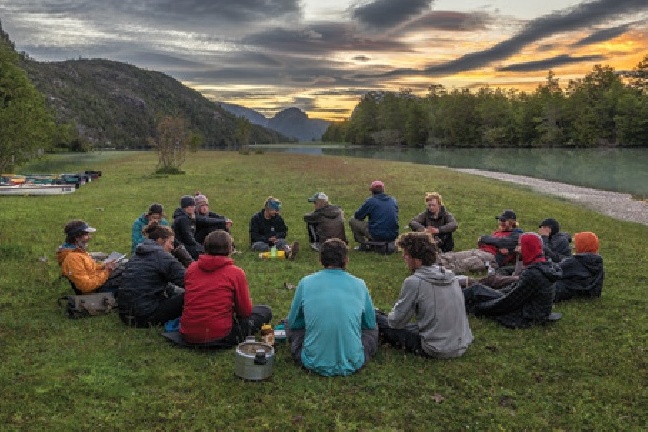
Anyone can benefit, including those who lead in their business, in their family, in their church, in politics. With a catalog of hundreds of expedition courses, including programs specifically designed for young people and others for emerging business leaders, the curriculum is designed not only to develop each individual’s skills as a leader but to give attendees an opportunity to see how others lead.
For example, is your tentmate the person who gets up early and boils water so everyone can have coffee or tea before setting off for the day? Are they the one who’s quick with a joke to lift the cohort’s spirits during a particularly grueling trek?
“All of these pieces happen on a NOLS expedition. It’s not like we’re going to a classroom; we’re living together,” Colhoun says. Everyone gets a chance to learn by leading; everyone also gets a chance to learn by following others.
As the president of NOLS, Colhoun has his own ideas about what makes for an effective leader, wisdom he’s gleaned over the course of his varied, decades-long career. For one, “I believe that leaders need to be responsive to their people,” he says. “We need to understand what motivates them and how to empower them, to give them the opportunity to really own their own ideas.” He’s a big believer in both transparency and open communication, “because I want to hear bad news way, way sooner than later. I also want to hear good news!” he explains. “And I want people to tell me if there’s a better way to do something. We don’t need to be stuck in our ways, and we need to be innovative.”
But perhaps his strongest belief is that leaders need to be open to taking risks—and even to fail. (“If you haven’t failed, you’re not leading,” he quips.) At its core, NOLS is all about risk management; they’re sending students into remote and rigorous environments where challenges are real and consequences can be serious.
There are wilderness instructors there to guide you, sure, but when it comes to managing hard and unexpected circumstances—a rainstorm, a snowstorm, getting lost—it’s the students who have to work through those problem sets. And that’s where the magic happens, where the leadership capabilities are honed.
“At the end of the day, I believe that in wild, untamed and natural places, we find our best self,” Colhoun says.
RUBY JEAN PHOTOGRAPHY; ©PETE ROZEBOOM; ©OSCAR MANGUY
Action Plan
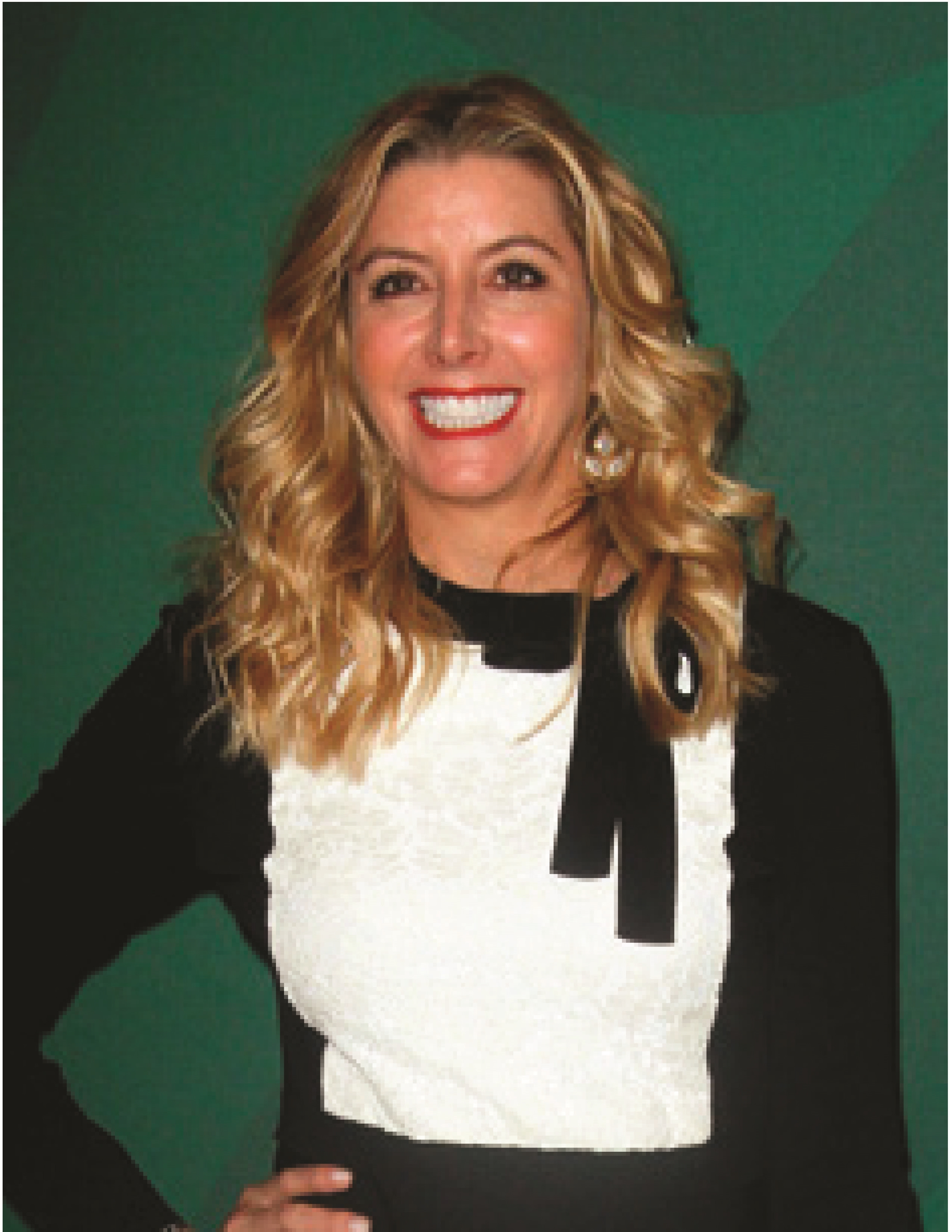
1 ESTABLISH A SOLID NIGHTTIME ROUTINE
These successful leaders wind down each evening with a routine. You can, too.

2 NAVIGATE THE BEST NEXT STEPS
Remember that professional growth isn’t always linear.

3 FEEL INSPIRED
See how these aspirational entrepreneurs are making waves.

4 PUT NEW TOOLS TO USE
Get a leg up on managing everything from your business to your life.
5 BALANCE PRIORITIES
Learn why relationships and trust matter more than follower count.
©WENN RIGHTS LTD/ALAMY STOCK PHOTO; TREETY/SHUTTERSTOCK.COM; COURTESY OF TIFFYCOOKS; COURTESY OF SOAAK; ©GRAILEDCHRIS-FENIMORE/COURTESY OF TEAM EPIPHANY